
These Chrysler performance intake systems (airbox kits) are model-specific intake-side assemblies that replace all or part of the factory tract to reorganise the air path, filter position and pipe routing.
Choose by platform, engine code, sensor layout and filter location; on Chrysler 300/300C, Sebring or shared Dodge platforms, fitment matters more than name-only matching. Use the filters by brand and availability, then open the product card to confirm the sensor ports, routing and application list before installation.
Verify exact dimensions and specifications on the product card; in-stock items dispatch fast within the EU.
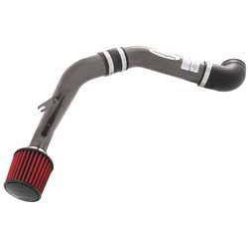
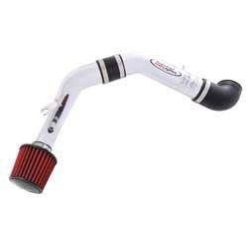
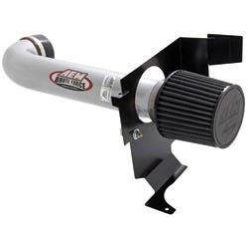
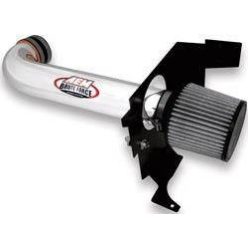
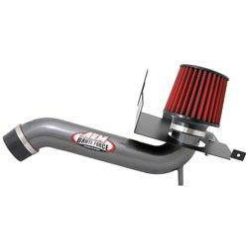
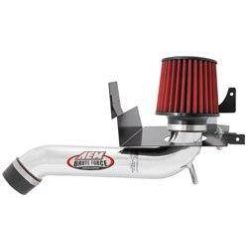
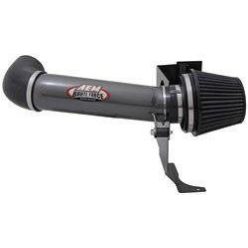
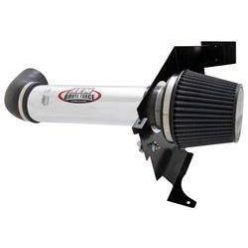
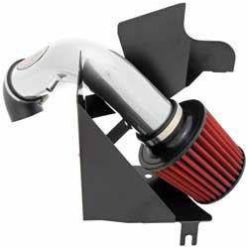
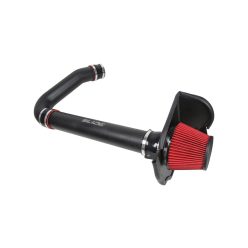
Net price: 225 €
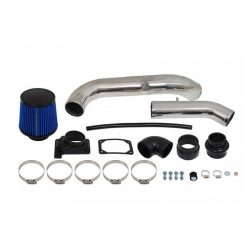
Net price: 168 €
Chrysler Performance Intake Systems & Airboxes: Model-Specific Intake-Side Upgrades
In this Chrysler range you will find model-specific intake-side systems and airbox solutions where pipe routing, filter position and connection points define how cleanly the kit fits the engine bay. That matters on Chrysler 300/300C, Sebring and shared-platform applications, where year, engine and sensor layout all need to line up together.
Technical background and system integration
System role: A complete intake system is more than a tube and a filter. Pipe material, bend geometry, mounting points and any airbox structure work together to support smoother routing, sealing integrity, thermal movement control and protection of nearby components in the engine bay.
Sensor layout: Chrysler applications often require close attention to MAF or IAT position, breather routing and any added connections supplied with the kit. A system may bolt in physically, but correct orientation and connector placement are what usually decide whether the end result is clean and usable.
- Pipe routing: Length, bend direction and clearance can affect how naturally the system sits without preload.
- Filter position: Open-filter and more enclosed airbox-style layouts both depend on how the kit draws air and how isolated that path remains.
- Airbox design: A boxed layout can offer tidier engine-bay separation, while a more open system may simplify access for inspection and servicing.
How to choose the right one
Quick selection guide: Start with the exact vehicle, year, engine and whether the product is Chrysler-specific or built for a shared Dodge/Chrysler platform. In this category you may see kits named after a sister model while still listing Chrysler fitment on the application chart.
Fitment: Use the product card to verify the application list, filter type, pipe route and whether clamps, brackets or connecting hardware are included. On complete systems, the part number and listed model years matter more than broad category naming.
Shared platforms: If you are choosing for a Chrysler 300/300C, Sebring or a related platform car, confirm engine family and sensor arrangement first, then decide between open-filter and airbox-style packaging.
Installation and failure-prevention tips
Surface prep: Dry-fit the sections first and check clamp seating, sensor orientation and body clearance before tightening anything fully. Degrease using a manufacturer-recommended cleaner, then allow to dry completely before applying load/boost. Final tightening is best done only once the full system sits in place without side-loading the joints.
Common issue: The most typical problem is a coupler that is only partly seated or a pipe section that rotates slightly under load, which can lead to unmetered air or unstable sensor readings; you may then notice uneven idle, unusual intake noise or a fault code. Prevention comes from seating clamps behind the bead, keeping the route free from side stress and aligning the sensor housings before the final clamp-down.
Post-check: After the first road test, inspect clamps, brackets and loom clearance, especially where the pipe may sit close to fan shrouds, lamp housings or the inner wing area. A second inspection after cooldown often catches small alignment changes before they become recurring issues.
PRO TIP: On shared Chrysler-platform cars, check engine family and the fitment list on the product card, not just the badge on the boot, because the same basic engine can appear with different sensor and pipe layouts.
How do I know this system fits my Chrysler?
Match the exact model year, engine and the application list shown on the product card. This matters most on Sebring, 300 and platform-related Dodge models where name similarity alone is not enough.
What is the difference between an open-filter system and an airbox layout?
An open-filter setup is usually simpler and easier to access during inspection. An airbox-style layout can provide tidier engine-bay separation and a more directed air path, so the right choice depends on space, packaging and how the car is used.
What is the most common failure or installation mistake?
Start by checking MAF/IAT direction, clamp position, any twist in the silicone or rubber couplers and the clearance between the pipework and surrounding bodywork. Then inspect breather and vacuum connections, and finally scan for any stored fault codes after a short drive.
What should I inspect after the first test drive?
Check whether any connection has shifted, whether clamp position has changed and whether the system still clears hot or moving parts. It is also worth listening to idle quality and looking for witness marks at pipe ends or coupler lips.
Do I need extra calibration or a remap?
That depends on the specific kit, sensor arrangement and the vehicle’s control strategy. Even where no extra calibration is listed, it is sensible to monitor fault codes and pay attention to idle behaviour and throttle response after installation.
