
Our Bags keep detailing gear organised and protected. Smart compartments secure bottles, padding safeguards machines and water-repellent fabrics stay clean on the move. Choose by capacity, strap/handle ergonomics and access style (lid/zip). A rigid base and inserts prevent tipping and leaks during transport.
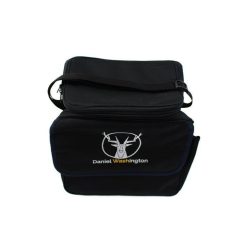
Net price: 47 €
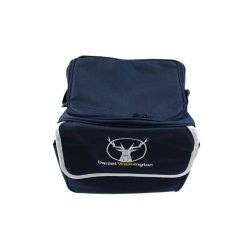
Net price: 38 €
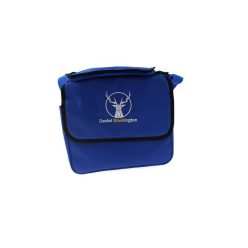
Net price: 47 €
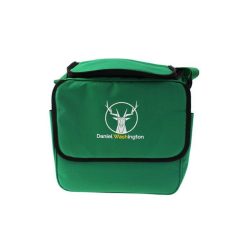
Net price: 76 €
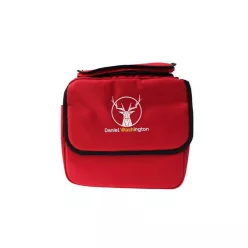
Net price: 50 €
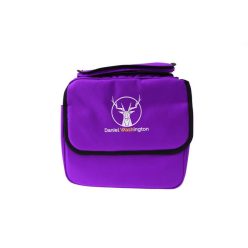

Brief summary & key benefits
Bags for detailing keep bottles, pads and machines organised and protected. Thoughtful compartments prevent tipping, padded walls shield tools and water-repellent shells keep the boot clean. Benefits include fast access, clearer overview and fewer spills—making every job cleaner and quicker.
Technical Basics
Materials: dense-weave polyester (600D–1000D) for shape retention; PVC/TPU coatings for moisture and chemical resistance. Interiors often use EVA padding or rigid inserts so bottles don’t bulge the sides. Bases may be rubberised or HDPE-boarded to stand flat and resist dirt.
Layout: Velcro-mounted dividers for flexibility; elastic bottle loops for 250–1000 ml sizes; mesh pockets for pads; a padded lid over machines. For zips, robust coils and large pullers help gloved operation and longevity.
Carry options: adjustable shoulder strap with anti-slip pad and reinforced handle stitching. Wider straps reduce pressure on long walks; shock-absorbing inserts protect machine motors and bearings during transport.
Safety & hygiene: wipe-clean linings, cap keepers and vents reduce odours. With chemicals, vertical loops and a leak-catch tray are highly recommended.
Selection Criteria
Capacity & load: decide how many 500–1000 ml bottles, how many pads, brushes and whether a polisher is included. For machines choose padded compartments and a reinforced base. Bottle-only kits work well in compact tote bags.
Organisation: modular Velcro dividers offer flexibility; fixed cradles give maximum stability. Mesh pockets for cloths and gloves are handy; dedicated tool sleeves for nozzles and applicators speed workflows.
Fabric & durability: for outdoor or workshop use, prefer heavier fabric and waterproof coatings. Light-coloured linings improve visibility. Reinforced stitching, corner guards and double zips extend lifespan.
Ergonomics: wide straps, grippy handles and good balance cut fatigue. Narrow straps dig in; poor weight distribution makes the bag roll in corners.
Special needs: for spill-prone chemicals, choose bags with internal trays; for demos, rigid-walled cases with presentation lids look tidy; for track days, a compact grab bag offers quick access.
Installation & Maintenance
Packing: place heavier bottles low and the machine centrally. Close caps firmly and use transport seals. Tighten dividers so items don’t migrate.
Cleaning: wipe interiors with neutral cleaners; avoid harsh solvents that may damage coatings. Lubricate zips occasionally with a silicone-free spray.
Upkeep: dry the bag before closing; inspect stress points for fraying. Keep sharp tools sheathed to protect the lining. Strap the bag in the boot to prevent tipping during driving.
FAQ
Q: What size suits a starter kit?
A: One that holds 6–8 bottles, several applicators and microfibres; add a padded compartment if you carry a polisher.
Q: Will chemicals leak in transit?
A: Vertical bottle loops and a tray liner minimise risk—always lock caps and use safety rings.
Q: Can I machine-wash the bag?
A: Hand cleaning with a neutral detergent is best; machine washing can deform padding and weaken inserts.
Q: How do I keep zips smooth?
A: Quality teeth, strong pullers and occasional cleaning/lube. Keep sand away and don’t force stuck sliders.
Q: Is it safe to carry a polisher inside?
A: Yes—with a padded compartment and rigid base. Store the backing plate separately to protect the cable and surfaces.
