
Auxiliary materials, adhesives and lubricants (műhely segédanyagok) cover the garage essentials that support consistent assembly, from cleaning to lubrication and bonding for repeatable service work.
Expect threadlockers, sealants, assembly lubes, greases, cleaners and workshop aids; pick based on the job, the substrate and whether you need planned disassembly later.
Use filters for size/pack type, brand and availability, then open each product card to confirm application steps; good surface preparation often matters more than adding extra product. Verify exact dimensions and specifications on the product card; in-stock items dispatch fast within the EU.
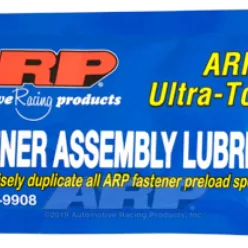

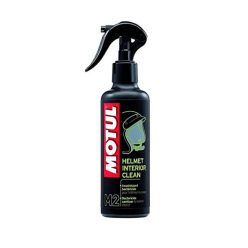

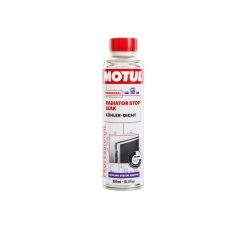
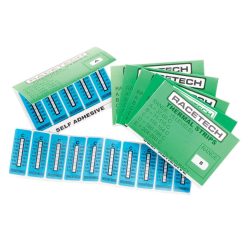
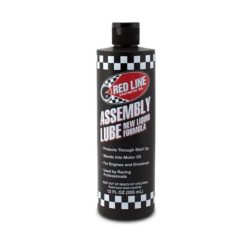
Net price: 16 €
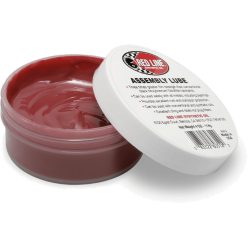
Net price: 21 €

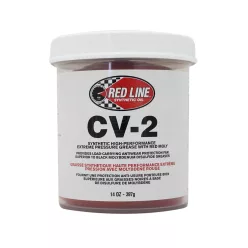
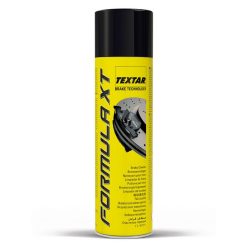
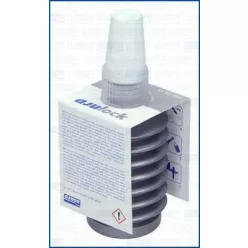
Net price: 27 €
Auxiliary materials, adhesives, lubricants for workshop assembly and care
This category brings together the workshop “support chemistry” used around servicing and builds—adhesives, lubricants, cleaners and related aids—often referred to as workshop consumables, i.e. auxiliary materials in practice. The goal is controlled application, not simply adding more layers.
In motorsport-style maintenance, these products can help manage micro-movement, sealing behaviour and friction points, supporting a predictable service routine and component protection when used as described on the product page.
Technical background and system integration
Bonding and sealing performance depends heavily on cleanliness, fit and material pairing; coatings, mixed metals and plastics can change results, so material compatibility is a key check before you commit.
Under heat cycles and vibration, sealants and lubricants may help accommodate small movements and protect contact surfaces, reducing the chance that thermal movement turns into repeat work.
- Threadlocking: useful where vibration may loosen fasteners, with strength/removability chosen to match your service plan.
- Sealing: helps where surface micro-voids or threads need extra closing, with chemistry selected for the media and substrate.
Storage and shelf life matter: temperature swings and poor sealing after opening can affect usability, so always follow the handling notes on the product card.
How to choose the right one
Quick selection guide: filter by task (threads, sealing, lubrication, cleaning), then confirm the intended substrate and steps on the product card—this keeps choices scalable as the range grows over time.
- Surface: decide whether you work on bare metal, coated parts, or sensitive plastics/rubber, then choose a compatible cleaner and chemistry.
- Serviceability: plan ahead—do you need to undo the joint at regular intervals or is it meant to stay put longer term?
Pack format (tube, bottle, aerosol) can drive waste and convenience, so match it to how often you’ll use it and how accessible the area is. If you need other service gear, use the Tools, Service Equipment category navigation to jump to the related groups.
Installation and failure-prevention tips
Before committing, do a small test application to learn spread and dosage; this helps you hit the intended film thickness without over-applying.
If you combine cleaners with adhesives/sealants, follow the manufacturer’s order and allow residues to evaporate fully; avoid aggressive solvents on sensitive materials unless the product guidance explicitly supports it.
A common issue is residue left on the mating surface (oil, grease, old sealant), which can make bonding or sealing inconsistent; symptoms may show up as seepage returning after a short period or a fastener that starts to move again. Prevention is simple: start clean and dry, and apply only as the product instructions describe.
PRO TIP: For maintenance-heavy builds, choose solutions where removability and cleanup effort match your planned service interval.
FAQ
What are auxiliary materials, adhesives and lubricants used for?
They support workshop tasks like cleaning, marking, lubricating, bonding and sealing around servicing and assembly. The right choice depends on the exact joint, substrate and the product’s stated use.
Threadlocker vs sealant: when do I use which?
Threadlocker focuses on resisting loosening in a threaded joint, while sealant focuses on closing gaps to reduce seepage across a surface or thread path. They’re not always interchangeable, so follow the intended application on the product page.
What is the most common failure or installation mistake?
Checklist: confirm the product is within date, prep the surface properly, apply the recommended amount, and respect the stated curing/drying window. With aerosols, shake thoroughly and do a brief test spray to ensure consistent output.
Can I use brake cleaner on every surface?
Not always—some paints, plastics, rubbers and coated parts can be sensitive to certain solvents. If unsure, choose a milder manufacturer-recommended cleaner and test on a small, hidden area first.
How do I know when it’s ready for use after application?
Check the product card for the suggested time window and consider ambient temperature and surface condition. When in doubt, allow extra time and visually inspect for movement or fresh squeeze-out.
