
Our Applicators include foam, microfibre and melamine sponges and pads for waxes, sealants, dressings and cleaners. The right density, shape and size improve coverage, reduce product use and deliver an even finish. Check solvent resistance, edge design and grip features to match each detailing step from tyres to trim and paint.


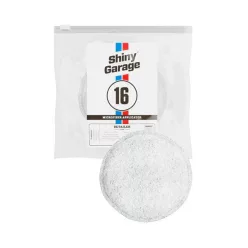

Net price: 2 €

Net price: 2 €

Brief summary & key benefits
Applicators are essential for hand application in detailing. The right tool spreads product evenly, reduces waste and protects delicate finishes. Choose between foam, microfibre and melamine depending on task—waxing, sealing, dressing tyres or treating plastic and leather. Using task-specific pads prevents marring and keeps results consistent.
Technical Basics
Foam applicators use PU with varied density and pore size. Open-cell foams load more product and feel softer; closed-cell foams absorb less and apply thin, controlled layers. Rounded edges help avoid streaks on paint.
Microfibre applicators (typically 200–400 gsm, 70/30 blends) offer smooth spreading and good absorption for interior dressings and panel-wipe steps. A sponge core improves comfort and keeps shape under pressure.
Melamine sponges have micro-abrasive structure and provide light mechanical cleaning—best on hard plastics and vinyl rather than clear coats. Always test on a small area first to avoid dulling sensitive surfaces.
Chemical resistance and lamination: strong cleaners can attack weak glue lines or low-grade foams. Pick solvent- and pH-resistant options when working with aggressive products; for leather care, choose soft, seam-free edges.
Sizes & shapes: round discs (∅ 8–12 cm), rectangles for edges and grooves, and ergonomic grips for long sessions. Pocket-style designs enhance control and keep fingers clean.
Selection Criteria
Task: for wax/sealant use soft foam or microfibre; for tyre dressings, denser curved-edge foam to avoid splatter; for plastics, microfibre ensures even coverage.
Chemistry & pH: stronger alkaline or solvent products call for resistant foams or thick microfibre covers. Unlaminated sponges keep product near the surface, reducing waste.
Surface texture: ribbed rubber favours a curved profile; flat paint prefers a perfectly flat disc for streak-free finishing. Leather benefits from seam-free edges and gentle pressure.
Durability: higher density foams and robust stitching last longer. Look for bevelled edges and reinforced cores if you work daily.
Hygiene: colour-code and label pads to avoid cross-contamination between waxes, tyres and interiors.
Installation & Maintenance
Preparation: ensure the panel is clean; any contamination may induce fine scratches. Rinse new pads to remove manufacturing residues.
Use: apply 3–4 small drops per section and work in thin, overlapping passes. On tyres and textured trim, use circular motions; on paint, use straight lines and wipe excess with a clean microfibre towel.
Cleaning: after water-based products, wash with lukewarm water and neutral detergent. For oily/waxy residues, use mild APC or a pad cleaner. Avoid fabric softener, which reduces absorbency.
Drying & storage: shape pads while drying, keep them out of direct sun and store in a dry, dust-free box. Damp pads may mildew; only seal containers when fully dry.
Service life: replace when foam collapses, when stitching fails or when the surface becomes glazed. Keep separate pads for polish, wax and interior products.
FAQ
Q: What’s best for applying wax?
A: Soft, closed-cell foam or fine microfibre—both lay down thin, even layers without excessive absorption.
Q: Can I use melamine on paint?
A: Avoid it on clear coats; its micro-abrasive action can dull the finish. Reserve it for plastics and stubborn marks.
Q: How do I wash applicators?
A: Hand-wash with neutral detergent, rinse thoroughly and air-dry. Don’t use softeners.
Q: Is one pad enough for all tasks?
A: No—use dedicated pads to prevent cross-contamination between tyres, trims and paint protection.
Q: Which size is most practical?
A: ∅10–12 cm discs suit most panels; smaller or edged designs help with tight details and bezels.
