
Aluminium Weld-On Threaded Bungs are weld-in bungs (weld-in bosses) for adding a durable service port to aluminium tanks, housings or pipework. They are commonly used for sensor take-offs and plumbing points using NPT threads (for example 1/8NPT) or flare-style hose ports.
For other fitting types, return to Fittings and Threaded Adapters. Filter by size (e.g. AN-4–AN-20, M6x1.5), sort the list, then open the product page to confirm the exact thread and dimensions. Choose the compatible option and add it to your basket.
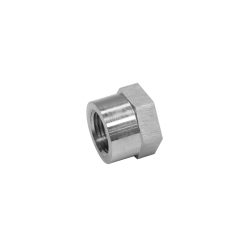
Net price: 3 €

Net price: 3 €

Net price: 3 €

Net price: 3 €

Net price: 4 €

Net price: 3 €

Net price: 3 €


Aluminium Weld-On Threaded Bungs – NPT/AN and metric ports for neat routing, reliable sealing and serviceable layouts
Aluminium Weld-On Threaded Bungs are ideal when you need a permanent welded service port on an aluminium component and want a clean, compact connection. These weld-on inserts (threaded bung, weld-in boss) are widely used in fuel, oil and cooling plumbing where hose routing and access matter.
The listing covers 21 products and includes several connection standards: NPT female threads (such as 1/8NPT–3/4NPT), AN weld-on hose ports (such as AN-4–AN-20), plus metric sizes like M6x1.5 and M8x1.5. Items are typically shown under the TURBOWORKS brand, which helps if you want consistent hardware across your build.
Technical Basics
AN connections usually seal on a 37° flare seat, so the thread is not the sealing element. That makes surface condition critical on sizes like AN-6 or AN-10, especially if the joint is serviced often.
NPT is a tapered thread that often seals on the thread itself, so PTFE tape/paste is commonly used. On ports like 1/4NPT and 1/8NPT, avoid over-tightening because it can damage threads or distort thin sections.
Metric ports (for example M6x1.5 and M8x1.5) are useful when a sensor or fastener is specified in metric. Always confirm pitch and engagement length, because similar-looking threads are not necessarily interchangeable and sealing methods can differ.
With aluminium welding, preparation is everything: clean base material and controlled heat input reduce distortion and porosity risk. If wall thickness or alloy compatibility is uncertain, set parameters on a test piece before committing to the final part.
Selection Criteria
Decide first whether you need an NPT threaded port for a sensor/adapter, or an AN weld-on port for hose-end plumbing. A common approach is main lines in AN-8 or AN-10, with instrumentation on a 1/8NPT take-off.
Choose size based on the whole system: AN-4 targets very different flow and packaging needs than AN-16, and hose bend radius becomes a hard limit in tight bays. If space is limited, confirm the fitting’s overall height and tool access before welding.
If you are working with sensors or accessories that are specified in metric, M6x1.5 and M8x1.5 options can simplify the build. Check whether the sensor seals on a washer, taper or an O-ring, because that determines whether a plain port is enough or you need an intermediate adapter.
Think beyond “it fits”: a good bung location keeps the line relaxed, avoids side-load on the port and stays serviceable later. That is what keeps a welded bung leak-free under vibration and heat cycling.
Installation & Maintenance
Before welding, degrease and mark the hole so the final fitting will be accessible for tightening and inspection. Protect the threads with a sacrificial NPT plug or a matching AN fitting to reduce spatter and thread distortion.
After welding, clean the area and pressure-test the assembly, especially on fuel systems. Use the right PTFE sealant for NPT, and keep the 37° flare seats pristine for AN connections.
For periodic checks, inspect the weld for cracks and ensure hoses are not pulling the port sideways. If you frequently disconnect fittings, protect sealing faces from nicks because even small damage can cause slow leaks.
FAQ
What are aluminium weld-on threaded bungs used for?
They create a permanent welded port on an aluminium tank, housing or pipe so you can attach fittings cleanly. You can choose NPT (e.g. 1/8NPT) for sensors/adapters or AN (e.g. AN-8) for hose plumbing. Always match the bung to the mating fitting standard before welding.
Do I need sealant on an NPT weld bung?
NPT is tapered and often seals on the thread, so PTFE tape/paste is commonly used. For ports like 1/4NPT, avoid excessive tightening because it can damage threads or distort thin walls. Follow the chosen component’s recommended sealing method if provided.
What is the difference between AN and NPT on these parts?
AN seals on a 37° flare seat and the thread mainly provides clamping, so seat condition matters most. NPT typically seals on the tapered thread and often needs a thread sealant. The two systems are not interchangeable, so verify standard and size every time.
When should I pick M6x1.5 or M8x1.5?
M6x1.5 and M8x1.5 are useful when your sensor or accessory is specified with metric threads. Confirm pitch, sealing style and engagement depth, because some sensors seal on a washer or O-ring rather than the thread. If sealing differs, you may need an adapter even if the thread matches.
How can I weld a bung without damaging the threads?
Install a sacrificial NPT plug or a matching AN fitting during welding and keep heat input controlled. Tack in position, then weld in short sections to minimise distortion. After cooling, test-fit the correct AN-10 or 1/8NPT mating part before final assembly.
Confirm size and compatibility, then order the bung that matches your build.
