
Workshop equipment (műhelyberendezések) covers the gear that supports day-to-day service work: lifting, supporting, moving and organising a bay for efficient workflow.
Pick by footprint, ceiling clearance, power/air requirements and whether you need a fixed install or a mobile unit. Verify exact dimensions and specifications on the product card; in-stock items dispatch fast within the EU.
Use filters by function and design, then open each product card to confirm mounting, maintenance and handling notes as the range grows, helping you build a safer workspace.
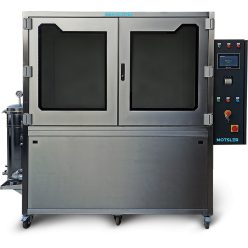
Net price: 42 222 €
Workshop Equipment and Service Machines
People often search for service-bay gear as “workshop equipment”, and this category groups solutions that help you create a tidy, repeatable working environment for vehicle maintenance.
Depending on the task, you may find lifting and support tools, tool and service trolleys, presses, workbenches, storage systems and specialist service machines. The assortment can expand over time, so filters and product cards are the fastest way to stay on top of fitment and setup details.
Technical background and system integration
Good workshop kit is about more than convenience: it can reduce awkward loads on your body, improve how forces are supported and help limit vibration and knocks, which supports component protection during repetitive jobs.
Before choosing, consider floor condition, access around the unit, and any utilities needed (mains power or compressed air where relevant). Always rely on the product card and the manufacturer’s instructions for compatibility and installation notes.
- Stable base: level placement and enough space to approach the job safely.
- Ergonomics: working height and reach that match your typical tasks.
- Routing: manage cables/hoses so they don’t snag or create trip hazards.
How to choose the right one
Quick selection guide: start with the primary job—lifting vs storage—then decide whether you need a mobile solution (braked wheels, handles) or a fixed, permanently positioned unit.
Next, narrow by footprint (mm, or inches if you prefer), service access, and included accessories, then open the product card to confirm mounting points, maintenance requirements and any utility connections so you choose for real use.
- Footprint: leave walkways and door clearance for moving parts and vehicles.
- Mobility: look for braked castors and controlled handling if it must move.
- Upkeep: check wear items and access to inspection or lubrication points.
- Workload: match the design to occasional home use or frequent shop cycles.
If what you need is a hand tool, measuring item or consumable, browsing the broader Tools & Service Equipment area may get you there faster.
Installation and failure-prevention tips
Follow the manufacturer’s steps for assembly: clean mating surfaces, tighten in a staged pattern, and do a quick check after initial use—this often helps maintain stable operation as parts bed in.
For fixed equipment, careful levelling, tidy cable/air-line routing and sensible placement around the bay can reduce unwanted movement and trip risks, supporting work safety in daily use.
A common issue is using a unit on a slightly uneven surface or with incomplete fastening, which can show up as unusual vibration, creeping movement on castors, or inconsistent alignment. Prevention is usually a level check, a fastener inspection after the first load cycles, and a quick look over moving parts for free travel.
PRO TIP: When a new machine arrives, build your own acceptance checklist (space, utilities, accessories, fasteners) and save the product-card specs for quick reference later.
FAQ
What does workshop equipment help with day to day?
It supports safer lifting and holding, keeps tools organised, and helps you repeat service steps with less clutter. That usually makes the bay easier to work in and easier to reset between jobs.
What is the most common failure or installation mistake, and what should I check first?
Check that the unit is level, fasteners haven’t loosened, and moving parts travel freely without binding. Confirm cables/hoses aren’t under tension, and for mobile items verify the brakes hold and the castors roll smoothly.
Fixed install or mobile unit—what should I choose?
Fixed equipment suits repeatable work in one bay where consistent positioning matters. Mobile units are easier to share between work areas, but they demand more attention to braking, handling and placement.
How do I plan space and access around the equipment?
Allow for walkways, door/bonnet opening, and the path needed to move long parts or wheels. If multiple vehicles rotate through the shop, think about traffic flow and where storage will sit.
How can I confirm a service machine fits my job or vehicle?
Use the product card to review notes on connections, included accessories and any compatibility remarks. If several variants exist, compare setup requirements and ongoing maintenance needs before choosing.
