
A Winters Performance driveline part (quick-change differential part) category brings together the components used around a quick-change rear-end system, including complete units, gear sets, ring & pinions, housings, flanges, bearings, seals and smaller service hardware. The current range includes 10-inch quick-change assemblies, SRP337/V3 variants, 31-spline parts and BMW E8x/E9x conversion-related items.
When choosing, first decide whether you need a complete differential, a change gear pair for ratio swaps, a ring & pinion, or a service part, then match the housing family, spline count and part number. The most common wrong pick happens when a quick-change gear pair is confused with the final-drive ring & pinion, so always confirm that the cover, shaft and bearing layout belong to the same system before assembly.
Verify exact dimensions and specifications on the product card; in-stock items dispatch fast within the EU.



Net price: 63 €


Net price: 1 003 €

Net price: 25 €
Winters Performance Quick-Change Differential and Driveline Parts
These Winters components for quick-change rear-end systems (quick-change driveline components) form a mixed range of complete 10-inch assemblies, change gear pairs, ring & pinions, centre sections, lower shafts, spools, yokes, CV flanges, bearings, seals and cover hardware. This page is therefore not about one single part type, but about the pieces used to build, service and refine a full quick-change differential setup.
System-level matching matters because fast ratio changes only work properly when the housing, lower shaft, gear set, cover and bearing arrangement all belong to the same build family. The current assortment shown on the page includes complete differentials, separate gear sets, a 4.12 ring & pinion, centre sections, 31-spline spools and flanges, plus bearing and sealing parts.
Technical background and system integration
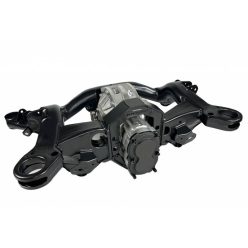
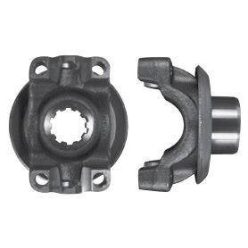
Product groups visible in this category include complete Winters quick-change differentials, V3 and SRP337-marked units, gear sets across several tooth-count and ratio combinations, ring & pinion parts, centre sections, drilled lower shafts, a 31-spline aluminium spool, a 31-spline output flange, a 1-1/4 inch 10-spline steel yoke, a CV joint flange, cover and inspection-plug hardware, tapered bearings, shaft seals, skid plates and a BMW E8x/E9x rear subframe solution.
Key identifiers include part number, tooth-count pair, ratio marking, spline count and inch size. On this page you can already see how 3/8"-16 cover hardware, a 5/16 inch steel ball, a 1-1/16" × 12 inspection plug and multiple 31-spline parts can look related by name while still serving different jobs in the system.
- Complete unit: the right route when you are building the main quick-change rear-end assembly or replacing the core differential unit.
- Ratio side: the change gear set is the externally swappable gear pair, while the ring & pinion belongs to the final-drive side of the system.
- Service side: for bearings, seals, cover bolts, plugs, flanges or lower shafts, precise system and size identification is the important step.
How to choose the right one
Quick selection guide: first decide whether you are buying a complete differential, a change gear set for ratio swaps, a ring & pinion, a housing part or a service item. Then confirm the 10-inch system reference, part number, tooth-count pair, spline value and whether the component belongs to the quick-change side or the final-drive side.
Product card check should focus on the exact naming and part number, because the Winters range contains several parts that look similar in title while doing different jobs. On this page, the tooth count, ratio marking, spline note and housing wording in the product name are the safest starting points, especially when a complete unit requires the gear set to be chosen separately.
- For ratio changes: choose change gear pairs by tooth count and ratio, not by outer appearance alone.
- For rebuilds: when buying centre sections, shafts, bearings or seals, use the existing housing and installed shaft family as the reference.
Installation and failure-prevention tips
Preparation should start with matching part numbers, tooth counts, spline counts and housing-side fit before full assembly. The cover, lower shaft, flange, bearing cups and seals should all be dry-trial checked before the system is finally closed up.
Common issue appears when a quick-change gear pair is mixed up with the final-drive ring & pinion side, or when spline and housing-family compatibility is not checked on shafts and flanges. In that situation the cover or shaft may not seat as expected and the rotation feel can seem wrong, so prevention depends on verifying the full system by part number, tooth count and fitment family.
Post-install checks after the first run should cover the cover area, the inspection plug, seal dryness, flange or yoke play, bearing seating and hardware position. On drift, dirt or oval-style use, it makes sense to repeat that inspection at shorter intervals.
PRO TIP: If you are building a complete Winters quick-change assembly, choose the gear set, ring & pinion and support hardware around one exact housing and shaft configuration rather than combining parts that only sound similar by name.
FAQ
What is the difference between a quick-change gear set and a ring & pinion?
The quick-change gear set is the pair swapped externally for faster ratio changes. The ring & pinion sits on the final-drive side of the differential, so it serves a different function and belongs to a different part family.
When do I need a complete differential, and when is a centre section or lower shaft enough?
A complete unit makes sense when you are building the main Winters quick-change system or replacing the core assembly. A centre section, lower shaft or flange may be enough when the goal is to rebuild, repair or reconfigure an existing setup.
What is the most common failure or installation mistake?
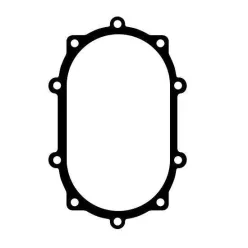
Check that the two halves of the change gear pair are a true matching tooth-count set, the ring & pinion has not been confused with it, the spline value matches the spool or flange, and the correct gasket is used with the cover. Also confirm that the bearing cone and cup belong to the same system family, and that every bolt or plug uses the correct thread size.
Can this category be used for BMW E8x/E9x conversions as well?
The current range shown on the page includes a BMW E8x/E9x rear subframe for a Winters quick-change differential, so there is relevant hardware for that type of project. Even so, full compatibility should still be checked part by part because the subframe, differential and surrounding driveline pieces are not one universal package.
What should I inspect after the first run?
Inspect cover and inspection-plug sealing, free movement at the flange or yoke, the bearing area and any fresh oil trace or unusual noise source. It is also worth confirming that the fasteners have stayed in place and that the full assembly still rotates evenly by hand.
