
A wheel stud is a threaded fixing fitted into the hub so the wheel is secured with a separate nut; this is often preferred where wheels are removed regularly or service speed matters. The key checks are thread pitch, knurl size and overall length.
You will get the best fit by considering wheel centre thickness, nut style and any spacer in the stack, because these change usable thread engagement and seating. Verify exact dimensions and specifications on the product card; in-stock items dispatch fast within the EU.
One simple preventive step is to inspect the hub hole and stud shoulder before assembly, because a clean fit helps installation feel more even from the first turn.
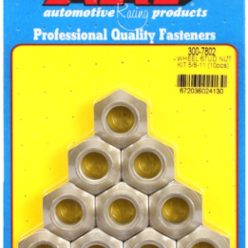
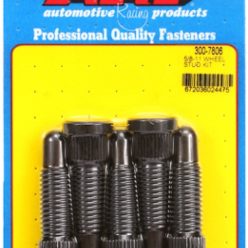
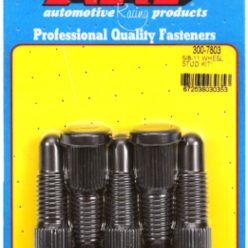
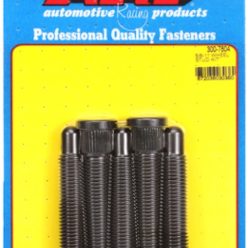
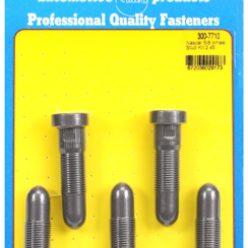
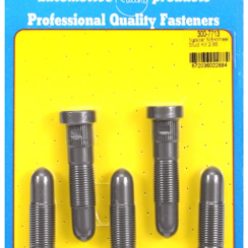
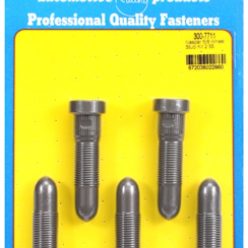
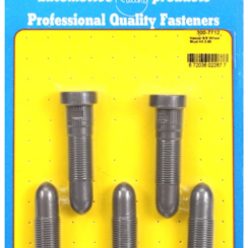
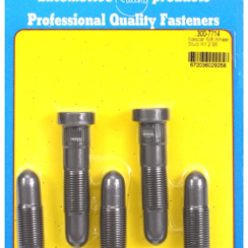
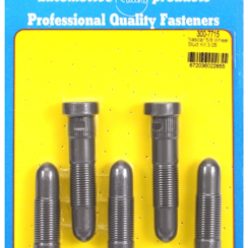
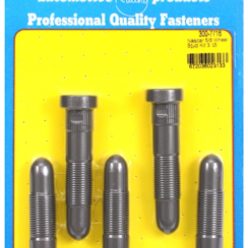
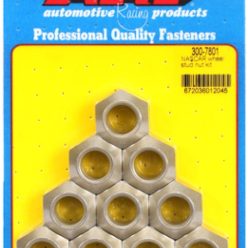
Wheel Studs for Secure and Repeatable Wheel Retention
Fixing point: This category covers hub-mounted threaded wheel fixing studs used with separate nuts. Correct sizing helps maintain stable clamp load and repeatable wheel changes, especially when the car sees heat cycles and frequent service work.
Think as a system: Thread size alone is not enough; hub bore, knurl fit, wheel centre thickness, nut style and any spacer all influence usable thread length and final fitment.
Technical background and system integration
Interference fit: Wheel studs usually seat in the hub via a serrated press fit, so knurl size and hole condition both affect how cleanly the shoulder seats and how straight the stud installs.
Load path: In service the wheel, nut and stud work together. The right overall length helps the nut engage over a sensible thread length while keeping the wheel face properly seated.
Heat cycles: Track use and stronger brakes can change temperatures around the hub, so material quality, thread condition and repeatable inspection matter just as much as nominal size.
- Thread: Match diameter and pitch to the intended nut, not just to the vehicle name.
- Knurl: Check the serrated section against the hub hole, because this fit decides how securely the stud sits.
- Length: Allow for wheel centre thickness, nut depth and any spacer in the stack.
How to choose the right one
Quick selection guide: Start with thread size and pitch, then confirm knurl diameter and overall length. After that, check whether you need extra engagement for a spacer, a thick wheel centre or an open-ended nut.
Product card: In this category, filters and the measurements on the product card are the safest way to confirm fitment before ordering.
Installation and failure-prevention tips
Clean threads: Before installation, inspect the hub hole, surface condition and shoulder seating area. Support the hub correctly during installation and follow the manufacturer method; for final tightening use the wheel-nut maker's figures rather than a generic number.
Common issue: When knurl size does not suit the hub hole, or the stud is pulled in at an angle, the shoulder may not seat cleanly, nut rotation can feel uneven and service feel becomes inconsistent. Matching the correct knurl, installing straight and rechecking after initial heat cycles helps prevent this.
Recheck: After first use, inspect nut seating marks, thread feel and whether the wheel face still sits evenly all around.
PRO TIP: When moving to a longer stud, also check clearance behind the wheel and the internal depth of closed-end nuts; a length that looks right on paper may not suit the real assembly space.
What is the most common installation mistake with wheel studs?
Check whether the hub hole is worn, whether the knurl size matches, whether the stud head is fully seated and whether the nut starts smoothly by hand. If resistance appears from the first turns or the nut pulls sideways, stop and review the fit before continuing.
How are wheel studs different from wheel bolts?
A wheel stud stays in the hub and the wheel is secured with a separate nut, which can be useful when wheels are removed often. A wheel bolt is inserted and removed as one piece, so fitment and service logic are different.
When do I need a longer wheel stud?
Usually when the build includes a thicker wheel centre, a spacer, an open-ended nut or a need for more thread engagement. The aim is to give the nut enough usable thread without creating packaging issues behind the wheel.
Are wheel studs only for track cars?
No, they can suit both road and motorsport builds, but selection should follow the hub, wheel, nut type and the intensity of use. Exact sizing and regular inspection matter in either case.
