
Wheel and tyre tools (kerék- és gumiabroncs szerszámok) are workshop essentials for wheel-area service: wheel nut handling, valve work and tyre fitting prep to support clean assembly.
Choose by fitment (socket size, drive size, valve type) and how you’ll use them, so the job stays a quick routine rather than repeated retries.
Verify exact dimensions and specifications on the product card; in-stock items dispatch fast within the EU. Pre-pack the right sockets and extensions for trackside readiness, and follow manufacturer tightening specs for secure seating.
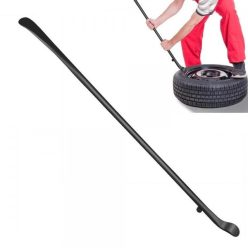
Wheel and Tyre Tools: Cleaner Wheel Service In The Workshop and Trackside
This category groups task-focused tooling for wheel-area work; it’s often searched with the Hungarian term “kerék- és gumiabroncs szerszámok” when fast wheel handling and tidy service matter.
The right tools help make wheel changes and valve work more repeatable while reducing unnecessary stress on nuts, seats and surrounding surfaces with a surface-care workflow mindset.
Technical background: what makes wheel service feel “easy”?
Around wheel nuts, access and correct socket profile matter: when the tool fits properly, it’s easier to keep controlled tightening and consistent refit steps.
For valves, small parts and threads can be sensitive to dirt and cross-thread feel, so a clean, organised approach pays off.
- Socket profile: match the nut style and choose a shape that seats confidently.
- Drive size: keep ratchet, extensions and adapters compatible to avoid improvised stacks.
- Valve tooling: use the right solution for the valve core and access you have.
How to choose the right set
Quick selection guide: start from wheel nut size and type, then confirm sockets and adapters match your existing kit for a compatible setup.
- Sockets: select correct size and wall thickness (tight wheel designs may need slimmer options).
- Torque: if using a torque wrench, set it from the vehicle manufacturer specification.
- Valves: confirm whether you need Schrader or another valve-related tool.
- Tyre work: fitting aids can reduce rush and improve consistency during prep.
For broader tool selection beyond wheels, browse Workshop tools to build a consistent workshop kit.
Use, workflow and failure prevention
For wheel nuts, keep threads and seats clean and always start by hand before using tools, helping preserve good thread feel and reducing avoidable damage.
- Cleaning: remove debris from mating surfaces, as dirt can create misleading tightening feel.
- Seating: confirm the socket fully seats on the nut before applying load.
- Pattern: work in a cross pattern and step up gradually, then finish to the manufacturer spec.
A common issue is grabbing the wrong socket size or a wall thickness that won’t fully seat, which can lead to partial engagement and slip; prevent it by keeping a dedicated “wheel kit” and checking socket seating on your wheel design before the job.
PRO TIP: Store wheel sockets, extensions and valve tools in a labelled pouch so your workshop and trackside routine stays identical.
If you’re unsure about compatibility or the best socket profile, use product card specs together with the vehicle’s manufacturer documentation as your reference.
FAQ
What’s the most common mistake with wheel nuts, and how do I check it?
Confirm socket size and wall thickness, ensure it fully seats on the nut, and always hand-start the nut to confirm thread engagement. If anything feels tight or uneven early, stop, clean, and re-seat before continuing. Final tightening should follow the vehicle manufacturer specification.
How is a wheel-focused socket different from a general socket?
Wheel areas can have tighter clearance and more sensitive surrounding surfaces, so socket wall thickness, profile and surface protection can matter more than in general fastening jobs.
How do I choose drive size and extensions?
Match the drive size to your ratchet/torque wrench and select compatible extensions or adapters from product specs. Keeping the stack simple helps maintain control in tight spaces.
What should I check if I feel vibration after a wheel change?
Inspect mating surfaces for contamination, confirm the wheel seated correctly on the hub, and verify tightening was done in steps and a cross pattern. Check for trapped debris between wheel and hub faces.
What should I watch for during valve core work or air handling?
Work cleanly, start threads straight, and check core, valve and cap condition. If thread feel is uncertain, stop and realign rather than forcing it.
