
A wet weather suit (rain overall) is an outer layer worn over a kart suit to help manage spray and surface water on a damp circuit while keeping the base garment underneath. It is a practical outer layer for rainy sessions when you want quick fitment and easy visual checks before going out.
The current range is mainly Sparco, with adult and junior sizes available; a clear finish is useful when you want graphics and team presentation to remain visible. As a prevention step, check that the suit still moves freely over your existing racewear in a seated driving position, especially at the shoulders and knees.
Use the size filter first, then open the product card to confirm fitment details and closure layout before adding the right option to your basket. Verify exact dimensions and specifications on the product card; in-stock items dispatch fast within the EU.
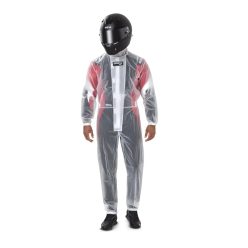
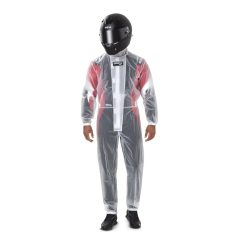
Wet Weather Suits for Karting and Damp Track Use
The products in this section are outer wet-weather layers worn over an existing kart suit, typically with a transparent construction that helps you manage spray, standing water and constant surface moisture without changing your base garment. This category makes sense when you need fast changes, clear visibility and layered outer protection before a wet session or race.
Technical background
The current selection is mainly Sparco kart wet weather suits with a clear outer construction designed to sit over existing racewear. Based on the product cards, the present range includes models using a TPU outer layer, which can give a more flexible feel and a surface that is easy to inspect before use.
A transparent suit is useful because your graphics, numbers and team presentation can remain visible while the outer layer takes part of the direct water exposure. In practice, that clear surface is especially helpful when you want wet-weather coverage without visually changing the suit underneath.
- Material feel: the suit should follow movement not only when standing still, but also in a seated driving position at the shoulders, elbows and knees.
- Closure layout: the zip line, flap and cuff areas work together; tidy closing matters more than simply getting the suit on quickly.
- Visibility: a transparent outer layer keeps the look of the suit underneath easier to identify during kart use.
Quick selection guide
You are not choosing a wet weather suit on its own, but as an outer layer over the kart suit you already use. The current range mainly covers adult XS-XXL and junior 120-150 sizes, so over-suit sizing should always be checked with your full clothing setup, not by body size alone.
Before buying, think through the real movement sequence: getting into the seat, holding the wheel, bending the elbows, flexing the knees and settling into driving posture. That seated fit check quickly shows whether there is enough room through the shoulders, seat area and knees to avoid pulling or bunching during a session.
If you also want to review the broader suit range, you can step back through the main race suit category and then return to the wet-weather outer layers once you have narrowed down the right clothing setup.
- Adult sizes: the right option should zip in a straight line over your base suit without dragging forward across the shoulders when seated.
- Junior sizes: for children, check not only height but also how much room remains over the kart suit and any underlayers already in use.
- Layer thickness: on cooler wet days the base layers may change, so the same size can behave differently with thinner or thicker clothing underneath.
Installation, use and checks
Put the wet weather suit on only after your base gear is already adjusted, then close the zip fully, smooth the flap and set the wrist and ankle areas into position. A good dressing sequence makes it easier to spot tension points or excess material before you reach the grid.
Common issue: the usual problem is not the fabric itself but tight shoulder or seated posture, a rushed zip closure or cuffs that do not sit flat; when that happens, the suit can bunch up, pull across key movement zones or leave openings where water is easier to track in.
After use, remove mud and surface dirt as soon as practical, then store the suit only when it is fully dry. Gentle cleaning and dry storage help the clear finish stay easier to inspect, while the closures are simpler to check before the next outing.
- Zip line: make sure it runs straight, does not wave and the flap is not piling up over it.
- Cuffs: the wrist and ankle areas should lie flat, because bunching here tends to get worse once you start moving.
- Storage: always pack the suit dry; avoid aggressive solvents, oily sprays and leaving it crushed for long periods.
PRO TIP: if you are between two sizes, pay closer attention to the option that closes more calmly over your existing suit in a seated position, because moving areas on track matter more than how the suit feels while standing still.
FAQ
Does a wet weather suit replace a kart suit?
No. A wet weather suit is an outer layer worn over your existing kart suit for damp conditions. Its job is to manage external moisture exposure, not to replace the base garment you normally drive in.
How do I know the size is right?
Check the fit with your kart suit already on. In a seated position, the zip should close without distortion, there should still be room through the shoulders and knees, and the wrist and ankle sections should not ride up during movement.
Why does it bunch up or let water in during use?
Before going out, inspect the full zip line, the way the flap sits, the cuff alignment and the seated driving posture. Once those points are checked properly, it becomes much easier to tell whether you need a minor adjustment, different layering or a different size.
What is the difference between a clear wet weather suit and a standard kart suit?
A clear wet weather suit is a fast-on outer weather layer worn over the clothing you already use. A standard kart suit is the base garment, while the wet weather suit adds an extra outer layer for damp track conditions.
What should I check after putting it on and before the start?
Look at shoulder movement, remaining room through the seat area, knee tension, zip straightness and ankle alignment. That final check helps confirm the suit is settled properly before your focus shifts fully to the track.
Narrow the choice by size and outer-layer fitment, then add the wet weather suit that matches your existing kart gear to your basket.
