
Waxes include natural carnauba, modern synthetic (polymer) blends and easy-to-use spray waxes. The right wax delivers deep gloss, a wet-look finish and durable hydrophobics while shielding paint from grime. Contemporary formulas apply easily and wipe streak-free for quick, safe maintenance.

Net price: 18 €
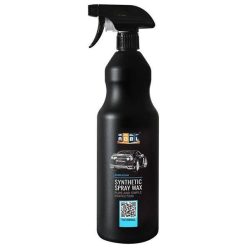
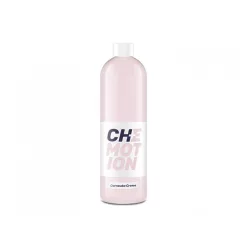


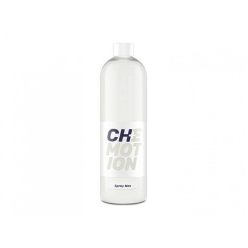
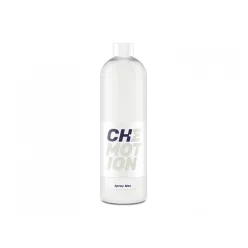
Brief summary + key benefits
Waxes protect paint and elevate appearance. Natural carnauba gives a warm, wet glow and silky feel, while synthetic (polymer/sealant-type) waxes offer longer durability and stronger hydrophobics. Spray waxes are the fastest toppers after a wash. With regular use paint stays cleaner, dries easier and looks deeper.
Technical basics
Carnauba is dissolved/emulsified with oils and resins so it can spread; polymer waxes use synthetic resins and siloxanes that form a thin, flexible film. Spray waxes are lighter blends that flash quickly for easy wipe-off. Longevity depends on film formation, prep quality and environmental factors (UV, pH of washes).
Compatibility: Waxes work on bare clearcoat and over sealants. On coatings, prefer spray wax/boosters so you don’t mute the coating’s behaviour. On matte paint/PPF use matte-safe products only.
Selection criteria
Goal: show-car glow → high-carnauba paste; longevity → synthetic/polymer; speed → spray wax. Colour: darker colours favour carnauba’s warmth; light colours pop with polymer clarity. Routine: if you wash rarely, choose longer-lasting synthetics; if tactile feel matters, pick carnauba.
Application & maintenance
Prep: wash thoroughly, decon if needed (tar/iron removal, clay), then panel wipe. Apply very thinly; heavy layers smear and waste product. Allow proper cure, then buff with plush microfibre. Layering: two thin coats improve coverage (leave 12–24 h for synthetics). Maintenance: pH-neutral shampoos and a light spray wax after washes.
Spray wax use: as a drying aid on wet paint or as a quick protector on dry panels. Use minimal product and two towels—one to spread, one to finish streak-free.
Common mistakes
Hard wipe-off/hazing: too much product or cold panels—use less, allow correct cure and buff with a fresh towel. Ghosting on edges: leftover residue from poor prep—decon/panel wipe first. Poor durability: frequent high-pH washes—switch to neutral shampoos and top with spray wax. Stained trims: mask textured plastics or use trim-safe dressings.
FAQ
How long does a wax last? Carnauba ~4–8 weeks; synthetics ~2–4 months depending on climate and routine.
Can I layer different waxes? Yes: apply the more durable synthetic first, then a thin carnauba for warmth.
Wax on ceramic coating? Possible, but spray wax/boosters are usually better to preserve coating behaviour.
Apply in direct sun? Avoid—work in the shade on cool panels to prevent streaking.
Best maintenance wash? A pH-neutral shampoo and gentle techniques to keep protection intact.
