
A wastegate blanket (external wastegate cover) is a compact heat shield that wraps the external wastegate body to keep more heat on the hot side and reduce thermal load on nearby hoses, wiring and surrounding engine-bay parts.
This category focuses on 35/38, 40/45, 50/54 and 60 mm options, typically secured with springs for a close fit around the wastegate housing. Verify exact dimensions and specifications on the product card; in-stock items dispatch fast within the EU.
A close fit matters, but you still need room for the actuator area, ports and nearby pipework. Before ordering, check the outer housing shape as well as the available clearance around it, then use the filters and the product card to confirm fitment details.
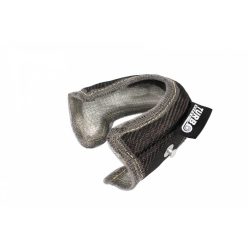
Net price: 22 €
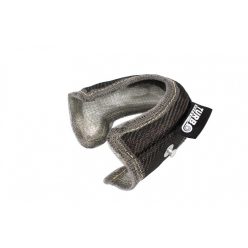
Net price: 22 €
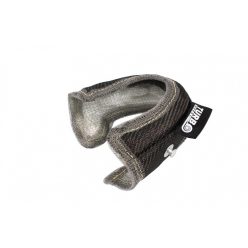
Net price: 27 €
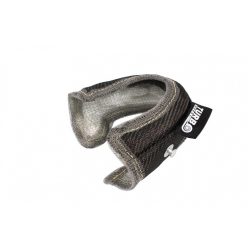
Net price: 32 €
Wastegate blankets and controlled heat around the external wastegate
This external wastegate heat cover, often referred to by builders as an external wastegate cover, is used to keep heat concentrated around the hot-side hardware and reduce the amount radiated into the rest of the bay. Heat management becomes especially useful when the wastegate sits close to a downpipe, screamer pipe, wiring loom or vacuum plumbing.
Technical background and system integration
A wastegate blanket is not there to hide problems; its main role is component protection and more controlled heat movement around the external wastegate body. On compact turbo builds, that can make the nearby area easier to package and service.
The named size matters, but so does the outer shape of the housing, the cap area and how much room you have around the ports and springs. Fitment should therefore be checked against the real housing outline, not only the nominal 35/38, 40/45, 50/54 or 60 mm label.
Current options in this category are spring-retained designs, and some variants also feature stainless mesh reinforcement on the inner side. Construction matters because repeated heat cycles, vibration and tight clearances all influence how the blanket sits and lasts in service.
- Size: confirm the wastegate size and compare it with the actual housing profile.
- Retention: look at spring route, hook position and whether the blanket can sit evenly all around.
- Finish: black and carbon-style versions may differ in outer appearance, but edge shape and seam line are more important.
- Clearance: check nearby pipework, fittings, hoses and looms before choosing purely by diameter.
How to choose the right one
Quick selection: start with the nominal wastegate size, then judge the housing bulge, port layout and the room available for the springs to anchor cleanly. If the real heat issue is centred on the turbine housing rather than the wastegate itself, step back to the Turbo Blanket category and choose from the wider hot-side options there.
Fitment logic works best when you narrow the list by size first, then open the product card and inspect the title, images and included fixing hardware. This matters most when the wastegate sits close to the strut tower, bulkhead or a larger charge or exhaust tube.
Product card details should confirm the exact size naming, what comes in the box and how much of the housing the blanket is designed to cover. On tight builds, the coverage zone can matter just as much as the nominal diameter.
Installation and failure-prevention tips
Install cold and test-fit the blanket before pulling the springs into place. Make sure the blanket does not bind against the valve movement area, ports or nearby hardware, and aim for an even seat rather than a twisted or over-stretched fit.
Common issue is contamination from oil or coolant traces around the wastegate, which can lead to smoke, burnt odour or local discolouration once the system gets hot. Before fitting, trace any leak source, inspect the nearby lines, and avoid unnecessary repeated removal and refitting after many heat cycles because the material may no longer stay as compliant as when new.
Extra shielding is worth considering when the wastegate is only one part of a wider hot zone; in that case, it makes sense to review the broader Thermal Protection range instead of focusing on a single hot spot alone.
PRO TIP: If space is very limited, make a quick paper mock-up around the wastegate first; it shows where the springs, seam and nearby pipes will demand extra clearance before you commit to a size.
FAQ
How is a wastegate blanket different from a turbo blanket?
A wastegate blanket is shaped for the smaller external wastegate body, while a turbo blanket follows the turbine housing. Both can be used in the same build, but they protect different hot-side components and solve different packaging problems.
How do I know which size to buy?
Use the nominal wastegate size as the starting point, then confirm the outer housing shape and the surrounding space on the car. Port angle, spring path and nearby hardware can all affect which version sits correctly.
What is the most common failure or installation mistake?
Use a simple checklist: inspect spring tension, make sure the edge sits evenly around the housing, confirm free movement around the valve area and check the distance to nearby pipes and looms. After the first heat cycle, inspect again for movement, rubbing marks or fresh traces around the blanket.
Does it make sense on a road car as well?
Yes, especially when the wastegate sits close to heat-sensitive hoses, wiring or reservoirs, or when the bay is already tightly packaged. The benefit depends on the layout, but controlled heat around the hot side can still be worthwhile outside dedicated track cars.
Can I remove it later for inspection or service?
Usually yes, but it is better treated as a fitted heat-management part rather than something to remove routinely for no reason. After long exposure to heat cycles, the material and shape may not behave exactly like a fresh part.
