
The Volvo – MTS Technik lowering springs category focuses on classic rear-wheel-drive and early FWD models such as Volvo 140 Coupé, 240 Sedan/Estate, 260, 340–360, 440–460, 480, 740–760 and 850, 940, 960, typically with 40/40 mm drops. These application-specific lowering spring kits reduce ride height, firm up the chassis and improve cornering stability. Tuned for fast-road use, MTS Technik springs bring a sportier feel to iconic Volvo platforms while keeping them usable every day.
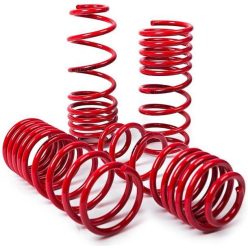
Net price: 227 €
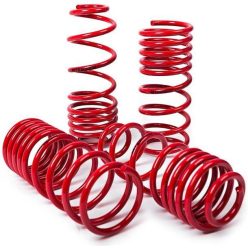
Net price: 283 €
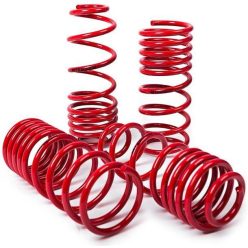
Net price: 280 €
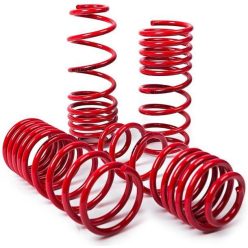
Net price: 63 €
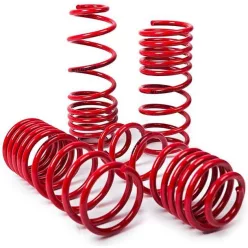
Net price: 151 €
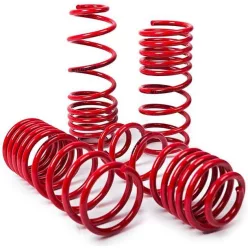
Net price: 166 €
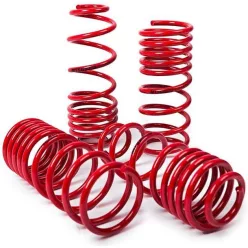
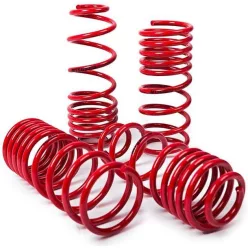
Net price: 257 €
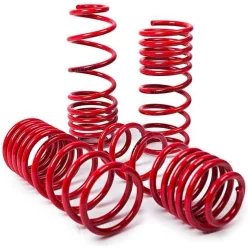
Net price: 235 €
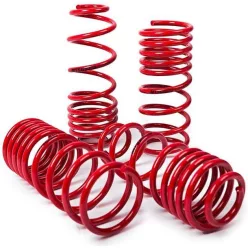
Net price: 187 €
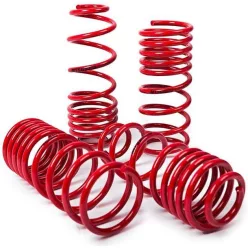
Net price: 180 €
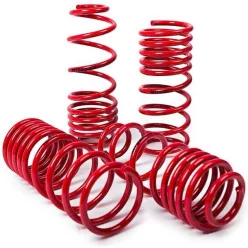
Net price: 235 €
Benefits and applications of Volvo lowering springs
The Volvo – MTS Technik lowering springs range is aimed at owners of classic Volvo models such as Volvo 140 Coupé, 240 Sedan/Estate, 260, 340–360, 440–460, 480, 740–760 and later 850, 940 and 960 variants. These cars were originally engineered with high ground clearance and soft, comfort-orientated suspension to cope with long distances and poor road conditions. Installing a lowering spring kit with around 40/40 mm drop brings the body closer to the ground, lowers the centre of gravity and reduces body roll. The result is a more composed and stable Volvo that corners with greater confidence while maintaining the solid, long-distance character the brand is known for.
Technical Basics
MTS Technik lowering springs use high-strength spring steel with multi-stage heat treatment and robust corrosion-resistant coatings, particularly important for older Volvos that still see winter use. Most applications are designed around approximately 40/40 mm lowering, which specifies the change in front and rear ride height relative to stock; some variants, such as the 340–360, use 40/- mm markings where mainly the front end is lowered. Spring rates are tuned to specific axle-load conditions, taking into account heavier engines (for example five- and six-cylinder units), body style differences between sedans and estates, and the original suspension layout. Because many of these cars are long and relatively heavy, preserving enough travel and bump clearance is critical to avoid frequent grounding on ramps or uneven roads.
Selection Criteria
Choosing the correct Volvo lowering spring kit starts with accurately identifying the model (140, 240, 260, 340–360, 440–460, 480, 740–760, 850, 940, 960), body style (Sedan, Estate, Coupé) and engine type. Estates typically have higher rear axle loads than sedans, especially when used for towing or carrying luggage, so their spring tuning differs accordingly. A 40/40 mm drop is a well-proven compromise for most road-driven classic Volvos, delivering a clearly sportier stance and improved body control while keeping ground clearance usable. More extreme lowering usually requires additional modifications – such as shorter dampers or full sport suspension kits – and should be approached with care.
Installation & Maintenance
Professional installation of lowering springs on Volvo models is strongly recommended due to the age of many vehicles and the variety of suspension layouts (MacPherson strut, double-wishbone, live rear axle, independent rear). Proper use of a spring compressor, correct support for suspension arms and adherence to factory torque specifications are essential for safety. The installation is also a good opportunity to inspect and, if necessary, replace shock absorbers, bushes, top mounts and bump stops, which are often tired on older cars. After fitting, a thorough wheel alignment (toe and, where adjustable, camber) is mandatory to restore stable handling and prevent uneven tyre wear. Regular inspections of spring coating, spring seats and suspension joints help ensure durability, especially if the car continues to see all-weather use.
FAQ
How much should I lower a daily-driven Volvo 240, 740 or 850?
For most classic Volvo models used on the road, an approximately 40/40 mm drop is a proven and practical choice. It significantly improves stance and cornering stability without making the car unusable on typical roads and ramps. Going lower usually requires more extensive modifications and should be reserved for focused projects.
Can I keep OEM dampers with MTS Technik springs on my Volvo?
Good-condition OE or OE-style dampers can often be retained with a 40/40 mm drop, especially if they are relatively fresh and designed for similar ride heights. However, on high-mileage cars or where shocks are already tired, upgrading to new or sport dampers is strongly advised to match the reduced travel and higher rates. A well-matched spring-and-damper package reduces the risk of bottoming out and improves long-term control.
How does ride comfort change after lowering a Volvo?
Lowering springs firm up the suspension, so bumps and surface imperfections are felt more clearly, but the substantial mass of a Volvo body still filters out many small inputs. In exchange, the car rolls less in corners, feels more stable at speed and responds more promptly to steering inputs. Drivers who prioritise comfort should pair the springs with sensible wheel and tyre sizes rather than very low-profile combinations.
Will lowering my Volvo increase tyre wear?
Tyre wear can increase if wheel alignment is not reset after lowering, especially on cars with solid rear axles or older front suspension designs. Correcting toe and, where possible, camber immediately after installation and checking it periodically helps preserve tyre life. If you notice rapid wear on one edge or pulling to one side, geometry should be checked and adjusted without delay.
Is approval required to lower a Volvo for road use?
Requirements depend on local regulations and inspection standards, which vary between countries. Using TÜV or ECE-approved springs and keeping the related paperwork in the car typically makes inspections easier. When in doubt, consult a vehicle inspection station or suspension specialist experienced with modified Volvo models.
