
A valved muffler is a rear or centre silencer with a built-in butterfly valve that changes flow-path behaviour and exhaust character, making it a practical choice for active sound control in a custom exhaust build.
Choose by matching the muffler inlet to your pipe size first, then check can length, body width, control method and clearance around the actuator; a small fitment mismatch or a tight hanger angle can preload the body and upset valve movement. Verify exact dimensions and specifications on the product card; in-stock items dispatch fast within the EU.
Use filters to narrow by diameter and availability, then open the product page to confirm exact dimensions, included parts and control layout before ordering.
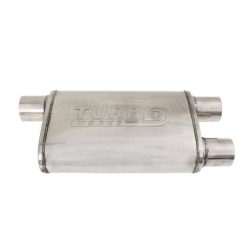
Net price: 102 €
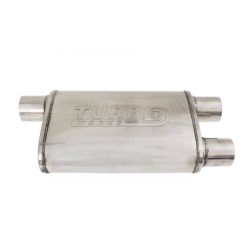
Net price: 104 €
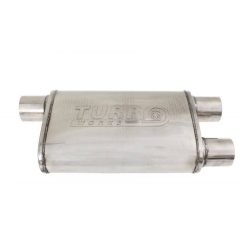
Net price: 104 €
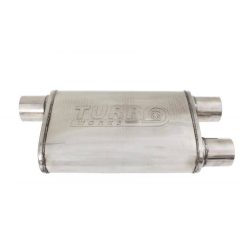
Net price: 104 €
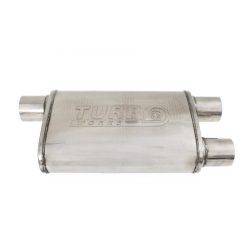
Net price: 102 €

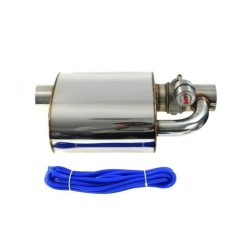

Valved Mufflers – Technical Overview and Buying Guide
In active exhaust builds, a muffler with an integrated valve is often searched as a valved muffler; its job is to let the sound character and flow behaviour change with driving conditions without rebuilding the whole system every time. This type of muffler can suit a project that needs a calmer road tone in one situation and a more direct exhaust note in another. In this category you may see 2", 2.5", 2.75" and 3" sizes, cutout-ready housings and a separate driver unit, so pipe size, package space and control method should be checked together.
Technical background and system integration
System integration: a valved muffler affects more than volume alone; it works together with the upstream and downstream pipe sections, the hanger layout, the thermal movement of the system and the way vibration reaches the body. A suitable housing can help the exhaust take up engine and chassis movement with less stress while still leaving the valve shaft and actuator enough room to move freely.
- Flow path: the straight-through style of the housing and the internal valve together influence how direct the exhaust note feels and how the system reacts during throttle changes.
- Heat movement: the muffler body and pipework expand in use, so a rigid or preloaded installation around the valve area can work against smooth operation.
- Valve control: several options in this category use vacuum or pneumatic actuation, so hose routing and heat distance matter just as much as muffler position.
- Material: 304 stainless versions appear in the range, which can suit fabricated exhaust systems where weldability and corrosion resistance both matter.
- NVH: besides loudness, the full layout also shapes drone, resonance and the secondary noises transferred into the shell.
How to choose the right one
Quick selection guide: if you are still deciding between a valved unit and a conventional performance silencer, browse the wider Mufflers range first, then filter by pipe diameter, body length and installation position.
- Size: start with the existing pipe diameter and the intended connection style; 2", 2.5", 2.75" and 3" should not be treated as interchangeable just because they are close.
- Length: overall length, can length and body width decide whether the unit will clear the floor, axle area and bumper cut-out.
- Control: check whether the selected part includes the actuator hardware, vacuum hose or requires a separate driver module.
- Product card: on a LEAF page, use filters first, then open the product card to confirm exact dimensions, part number and the included components.
Installation and failure-prevention tips
Installation order: trial-fit the muffler within the full exhaust route first, check actuator clearance and hose routing, and only then finalise joints and hangers. The aim is for the muffler to sit naturally in the system rather than being forced into place, because side-load on the body can also side-load the valve shaft.
Common failure mode: if the muffler is welded in under preload, or the vacuum hose runs too close to a hot section, valve response may become inconsistent, sound change can be delayed and extra resonance may appear; this is best prevented by free shaft movement, heat-aware hose routing and a proper trial assembly before final welding.
If you want a separate bypass branch rather than an internal muffler valve, the Cutout Valves category follows a different system layout and can suit another packaging strategy.
PRO TIP: before final tightening, move the exhaust by hand on its mounts and check whether the valve, actuator and surrounding bodywork still keep a safe working gap in both relaxed and lightly loaded positions.
FAQ
What is the most common failure or installation mistake?
In many cases the issue is not the muffler itself but the installation geometry. Check that the body is not pulled sideways, the valve arm can move freely, the vacuum line is not kinked and the hangers are not twisting the case. Once that is confirmed, move on to the control side of the system.
How is a valved muffler different from a separate cutout valve?
A valved muffler changes exhaust character inside the muffler body, while a cutout valve usually opens or closes a separate bypass branch. The first option can be more compact as a muffler solution, while the second follows a different exhaust routing concept. Available space, pipe layout and the target sound character usually decide the better fit.
Should I choose by pipe size or muffler inlet size?
You need both, but pipe diameter is the starting point. Match the muffler inlet to the existing or planned system first, then check body dimensions and actuator clearance. The inch and mm data on the product card are there to help confirm fitment.
Can I use one on turbo and naturally aspirated builds?
Yes, but not with the same packaging logic in every case. Turbo builds often place the muffler into a different heat environment and may route the system differently from a naturally aspirated car, so muffler position and control layout should be matched to the actual project. It is better to judge the category by fitment and system layout rather than sound alone.
What should I inspect if there is barely any audible change?
Start by confirming that the control system is actually moving the valve, then inspect hose routing, mechanical binding and the surrounding pipework. After that, look at whether the internal muffler position and the full exhaust layout really allow the contrast you expect between the two operating states. Finally, listen for another resonant section that may be masking the difference.
