
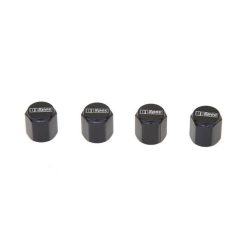
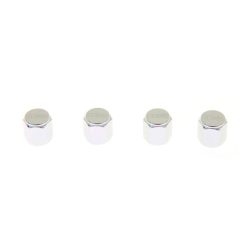
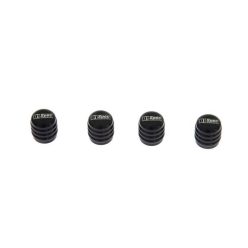
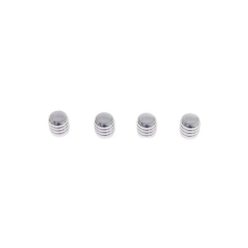
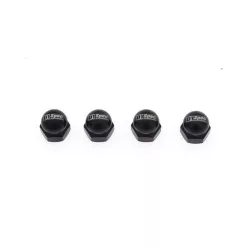
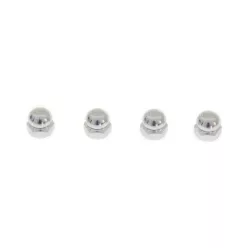
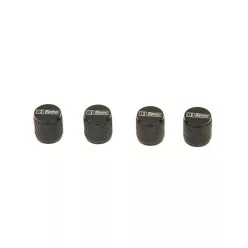
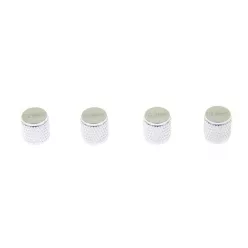
Valve caps (tyre valve caps) are small protective covers for the outer thread of the wheel valve and the area around the valve core: they can help keep out dust, moisture and road grime while giving the wheel a cleaner finish. On this page you can compare mainly D1SPEC options in different shapes and in black or silver finishes.
Choose by valve stem type, how much grip you want during pressure checks, and whether the car sees mostly road use or frequent wheel changes. Verify exact dimensions and specifications on the product card; in-stock items dispatch fast within the EU.
Install a metal cap onto a clean, dry thread and tighten it by hand only; that can reduce the chance of sticking later and keeps the valve core area better protected. Use the filters and open the product page when you want to refine by shape, colour or part number for a better fit.
Valve Caps for Thread Protection and a Cleaner Wheel Finish
A cap for the wheel valve, often referred to as a tyre valve cap, is mainly a protective accessory: it is not the tyre's primary sealing component, but it does help shield the outer thread, the area around the valve core and the visual finish of the wheel. On this page you can compare mainly D1SPEC options, so shape, grip and surface finish all play a part in choosing the right one.
Technical background and system integration
The role of a valve cap is secondary protection: it can help keep dust, water, brake dust and road grime away from the exposed outer part of the valve, which matters more when you check tyre pressure often, drive in wet conditions or use the car on dirtier roads or paddocks.
Most road and motorsport wheels use some form of Schrader thread, but it still makes sense to check the valve stem material, the available clearance and the cap's inner design before ordering. This is especially relevant with metal valve stems, where you want the cap to remain easy to remove during regular pressure checks.
- Material: a metal cap can give a more substantial feel and a more technical look, while lighter designs may feel simpler in day-to-day use.
- Shape: a longer or more pronounced profile may offer better grip, while a compact cap keeps the look cleaner and may sit more discreetly inside the wheel design.
- Seal detail: if the inner design includes an insert or O-ring, it may improve dirt resistance at the top of the valve, but it is still not the part that primarily holds air in the tyre.
How to choose the right one
Quick selection guide: first decide whether you want a more visual wheel detail or a cap that is especially easy to grip during frequent pressure checks. Then compare height, diameter, surface finish and how well the design suits the wheel, the valve and your normal maintenance routine.
On a leaf page, the product card is the key decision point: that is where you confirm the part number, photos, stock status and whether the style matches the look you want for a road car, show build or track wheel set. The current list focuses on D1SPEC options in black and silver finishes.
- Thread start: make sure the cap begins to engage cleanly on the valve stem and does not need to be forced or started at an angle.
- Clearance: think about how much room remains around spokes, trim details or a bulky pump head, because a more prominent cap can improve grip or make access tighter.
- Use case: a subtle design often suits a daily-driven car, while a stronger visual style may make more sense on a tuned or track-oriented wheel set.
Because this page shows the actual part numbers directly, it is worth opening the product cards one after another to compare shape and finish properly.
Installation and failure-prevention tips
Before fitting, wipe the outside of the valve stem, check the thread start and then screw the cap on to hand contact only. Heavy tightening is unnecessary; a straight start and a clean thread usually matter more than force.
Sticking most often appears when a metal cap is fitted onto a dirty or oxidised thread and then overtightened; common signs are a rough feel during removal, a reluctant first turn or damage at the thread entry. To reduce the chance of that happening, work on a clean, dry thread, remove the cap from time to time for inspection and always refit it gently by hand.
A short inspection routine helps a lot: during seasonal wheel swaps, after pressure washing or before a long parked period, check that the cap removes easily, that there is no build-up underneath it and that access remains straightforward on a tyre-pressure-monitoring-system (TPMS) valve.
PRO TIP: If you run separate road and track wheel sets, matching the cap colour or part number to each set can make pressure checks faster and helps you identify the mounted set at a glance.
Does a valve cap seal the tyre?
Usually not as the primary sealing element. Air retention depends mainly on the valve core, the valve stem and the tyre-to-wheel interface, while the cap serves more as protection and a finishing detail.
Metal or plastic valve caps: which is better?
A metal cap can look more purposeful and may offer a more positive grip, which suits many tuning and motorsport styles. A plastic cap is often a simpler everyday option; the better choice depends on how often you remove it, the valve stem material and the finish you want.
Will it fit a TPMS-equipped wheel?
In many cases yes, but you should be more careful about stem material and access. Check the product card to make sure the design does not make inflation or pressure measurement awkward.
What is the most common failure or installation mistake?
Take the cap off with the wheel cold, observe whether it runs evenly on the thread and, when refitting, pay attention to the first turn so it does not start crooked. If engagement feels uncertain, stop, clean the exposed thread and try again with a straight, gentle start.
What should I check if tyre pressure drops slowly?
Start with the valve core, the base of the valve stem and the tyre bead, because the cap itself rarely explains a slow pressure loss. Then inspect the valve for damage, check that the inside of the cap is not interfering with the stem and confirm that the cap still threads on smoothly after a pressure check.
