
Universal turbo and downpipe gaskets (flange gasket) are flat sealing elements used between turbo, manifold and first exhaust joints, helping the mating face and flange pattern line up correctly. This category includes options for several T25, T3, T4 and GT-style layouts.
Start by checking the bolt pattern, the port shape and whether you need a turbo inlet, turbo outlet or downpipe-side gasket. Verify exact dimensions and specifications on the product card; in-stock items dispatch fast within the EU.
For a more stable joint, pay attention to flange flatness, gradual fastener tightening and a dry trial fit, because that helps reduce side-load on the sealing line. Use the filters by brand and availability, then confirm the exact pattern on the product card.
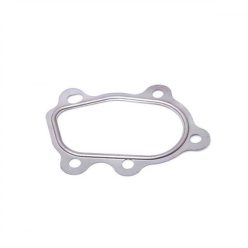

Net price: 25 €


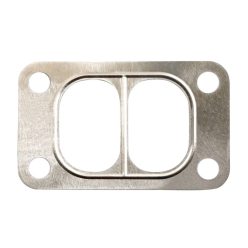
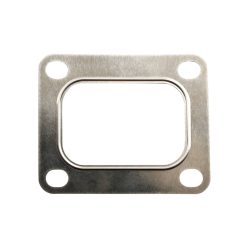
Net price: 15 €
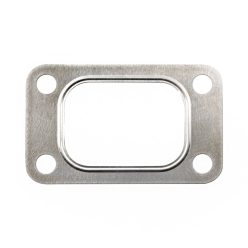
Net price: 15 €
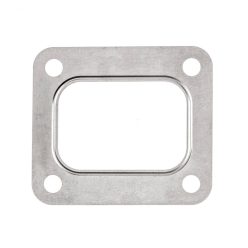
Net price: 15 €
Net price: 15 €
Net price: 18 €
Universal turbo and downpipe gaskets: flange pattern, sealing face and fitment logic
These sealing elements sit between turbo flanges and early exhaust joints, helping build a clean sealing line where bolt layout, opening shape, layered construction and pipe direction all matter together. A well-matched gasket can make custom assembly easier and may help the joint cope more predictably with thermal movement around the hot side of the system.
Technical background and system integration
Function matters because these gaskets can be used on turbo inlet flanges, turbo outlet flanges or downpipe connections, and each position asks for a different combination of bolt layout and port geometry. Looking only at the outside outline is usually not enough for a reliable match.
Pattern range on this page includes several builder-familiar options such as T25, T3, T4, T3 Twin, GT25/GT28 5-bolt, GT30R/GT35R/GT40R and GT Series 3 inch 4-bolt styles. That variety makes the product card more important than the product name alone when you want to confirm real fitment.
Material details can also vary across the category, with different steel-based or coated constructions shown on individual product cards. The exact material and thickness should always be checked item by item, because the behaviour of the joint also depends on flange condition and hardware choice.
- Bolt layout: confirm hole count, spacing and whether the joint is designed around bolts or studs.
- Port shape: check whether the opening is round, oval or divided, because this directly affects face contact.
- Joint side: make sure you are selecting a turbo inlet, turbo outlet or downpipe-side gasket for the correct location.
- Thickness: use the product-card data to judge how the gasket suits the actual condition of your flange faces.
How to choose the right one
Starting point should always be the flange already on the car or on the bench: photograph it, count the holes and compare the opening shape to the item shown on the product card. Two gaskets can look close in pictures yet still differ enough to stop the build.
Application should be clear before ordering, because a turbo inlet gasket, a turbo outlet gasket and a downpipe gasket may share similar outer dimensions while still being different in the places that matter. With COMETIC and TURBOWORKS parts grouped on the same page, the brand name alone is not a safe selector.
Product card review is the most reliable way to confirm the pattern, the part number and the intended fitment direction, especially on T-series and GT-style flanges. In this category, direct comparison between your existing flange and the product card is usually the quickest route to the correct choice.
On a custom project, it often helps to keep the old gasket or a traced flange outline on the workbench so you can compare the hole pattern and opening shape before committing to the order.
Installation and failure-prevention tips
Face prep should begin with clean, burr-free mating surfaces and a dry trial assembly before the joint is finalised. If the flanges do not sit evenly in the first place, the gasket alone is unlikely to compensate well for the geometry problem.
Tightening order is easier to control when fasteners are brought down gradually in a cross pattern. On a fabricated system, it usually helps to align the nearby pipework first and only then complete the final tightening or welding sequence around the joint.
Common Failure appears when the gasket pattern is correct but the attached pipe or downpipe introduces side-load into the flange, so after a few heat cycles you start to see soot marks, leakage or loosening hardware. This is usually reduced by a dry mock-up, checking flange flatness and supporting the nearby section so the joint is not carrying unwanted load.
Post-check after the first full heat cycles should include the fastener position, the edge of the flange and any fine soot around the perimeter. These signs often reveal an alignment issue before the change in sound becomes obvious.
PRO TIP: When replacing a gasket between older flanges, judge the new gasket together with the real flatness of the mating faces, not only by the nominal pattern name.
FAQ
How do I know which gasket I need?
Start by identifying the existing flange: hole count, hole position, opening shape and the role of that joint are the key checks. Labels such as T25, T3, T4 or GT are useful starting points, but the final choice should be made from the actual pattern.
What is the most common failure or installation mistake?
Check the joint step by step for flange flatness, exact hole alignment, natural pipe position and cross-pattern tightening. Then confirm that the joint is not being pulled sideways, and inspect the flange edge again after the first heat cycle.
Does gasket thickness matter?
Yes, because thickness and construction can influence how the part sits between the two mating faces. The right interpretation still depends on the product-card data and the actual condition of the flanges in your build.
What is the difference between turbo inlet and downpipe-side gaskets?
The main differences are bolt layout, opening shape and the role of the connection in the system. Two parts with similar outer size can still be completely different in the details that decide fitment.
When should I replace the gasket?
It is usually sensible to fit a fresh gasket when the joint has been opened, or when the old part looks compressed, damaged or uncertain. Early replacement on a project often carries less risk than reusing a questionable sealing element.
