
A universal catalytic converter with ceramic substrate is a weld-in exhaust component for custom or modified systems, helping you match housing size, tube ends and cell density to the build. It is the right option when pipe diameter, installation space and expected gas volume suit the selected unit.
Verify exact dimensions and specifications on the product card; in-stock items dispatch fast within the EU.
Start by checking the FI size, housing length, stated engine range and the CPSI plus EURO rating shown on the product card. Before welding, confirm tube alignment and leave room for thermal movement so the system does not sit under stress.
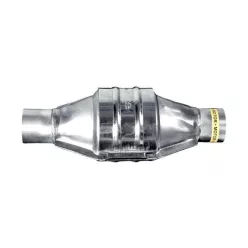
Net price: 139 €
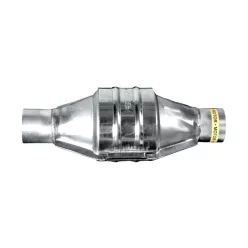
Net price: 139 €
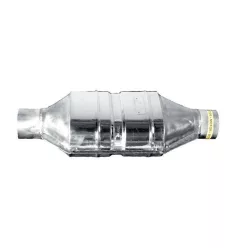
Net price: 104 €
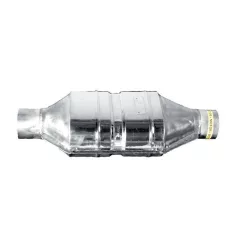
Net price: 104 €
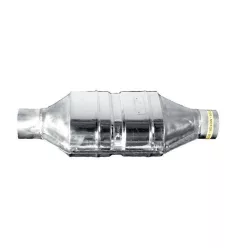
Net price: 104 €
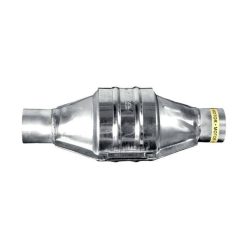
Net price: 59 €
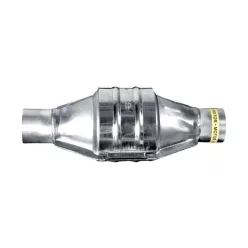
Net price: 139 €
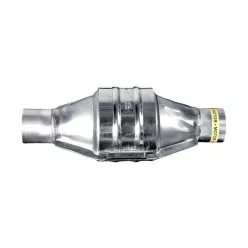
Net price: 139 €
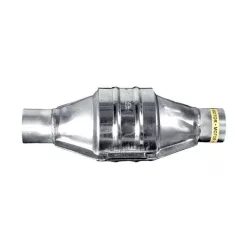
Net price: 139 €
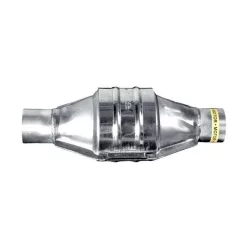
Net price: 188 €
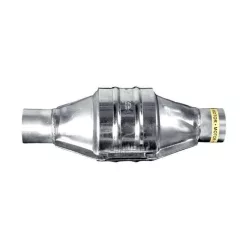
Net price: 188 €
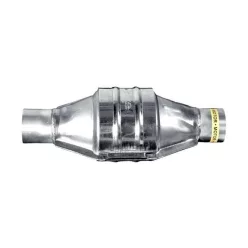
Net price: 188 €
Universal Ceramic Catalytic Converters – smarter selection for custom exhaust systems
A universal catalytic converter with ceramic substrate is a weld-in exhaust component used to connect packaging, pipe size and internal cell structure into one workable system. Builders often search it as a universal catalytic converter, but good results come from matching the housing, route and engine character together rather than choosing from one number alone.
Technical background and system integration
Ceramic substrate: the internal monolith guides exhaust gas through a defined cell structure, so selection is not only about outer can size but also about the internal layout that the system is built around.
CPSI value: cell density can change the general character of the converter, so 100, 200 or 400 CPSI should be reviewed together with engine size, intended use and the rest of the exhaust layout.
- FI size: the tube-end diameter decides how naturally the converter can be integrated into the existing or planned exhaust section.
- Housing shape: outer diameter and overall length are often just as important as flow-related considerations because the floor, braces and heat shields set real limits.
- EURO rating: the marking on the product card can be a useful comparison point, but final choice should still reflect the complete engine and exhaust combination.
How to choose the right one
Quick selection: begin with the FI tube size, then confirm housing length and outer diameter, and only then compare CPSI and EURO markings. This removes options that do not physically fit or do not suit the build direction.
Engine range: a stated span such as 0.7–1.2L or 1.2–2.5L is a useful starting point, but turbocharging, custom manifolds and the full exhaust route can change which version is the more realistic match.
In this category, comparing FI 45 and FI 50 first, then narrowing by EURO and CPSI markings, is usually the fastest way to shortlist suitable options.
- Packaging: measure available length and diameter between the floor, chassis details and nearby heat shields.
- Connection plan: decide whether the system continues with a straight join or with a transition section before final selection.
- Sensor space: if the build uses lambda or other sensors, include their packaging needs before committing to a housing size.
- Service access: even in a welded system, plan the layout so later inspection does not depend on cutting out a whole section.
Installation and failure-prevention tips
Alignment: trial-fit the exhaust sections before welding and check that the converter does not twist or pull the system sideways. A natural route helps reduce later noise, contact and preload.
Common issue: if the housing is welded into a stressed position, later resonance, soot trace or fatigue around the weld area may point to trouble; this is usually linked to poor transition angle, overly tight packaging or incomplete system support. Prevent it with a no-load mock-up, by checking the rubber hangers, and by leaving realistic room for thermal movement.
First inspection: after the first heat cycle, re-check the weld area, sleeve or clamp positions, and whether the housing has moved closer to the floor or surrounding shields.
PRO TIP: When the exhaust is built from several sections, position the catalytic converter as part of the whole route with the centre section, rear box and support points in mind; that approach makes preload less likely.
FAQ
Which detail should I check first?
Start with FI size and housing dimensions because they decide whether the unit can actually be packaged into the car. After that, refine the choice using CPSI and the stated engine range.
What is the difference between 100, 200 and 400 CPSI?
In general, different cell densities mean different internal structures. The right choice depends on the engine, the exhaust route and what the build is expected to do in real use.
Is ceramic or metallic substrate the better option?
Ceramic substrate is a common choice when you want a cost-aware, practical solution for a road or lightly modified project. Metallic versions can offer a different character, so the decision should reflect packaging, expected duty and the complete exhaust concept.
What is the most common failure or installation mistake?
First check the system cold and confirm that the converter housing runs in line with the pipework rather than being pulled sideways. Then inspect the hangers, body clearance and any discolouration or soot trace near the welds. If all looks stable, repeat the inspection after a longer heat cycle.
Is the EURO marking enough on its own?
It should not be the only deciding factor. Size, housing length, tube diameter and the engine character of the project all belong in the final decision.
