
A universal catalytic converter with a metal insert (metal core catalyst) is a retrofit exhaust component that can be adapted to different systems, where pipe diameter, body length and available space decide whether the fit is clean. A metal-core version is often shortlisted when the exhaust sees harder heat cycles or more intensive use.
Selection should combine 45-55 mm common sizes, target Euro level, CPSI value and engine character rather than treating one number as enough. Verify exact dimensions and specifications on the product card; in-stock items dispatch fast within the EU.
For durable service, prioritise stress-free mounting so the shell is aligned on axis instead of carrying side load from the surrounding pipework.
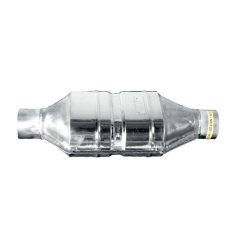
Net price: 284 €
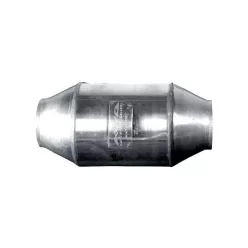
Net price: 94 €
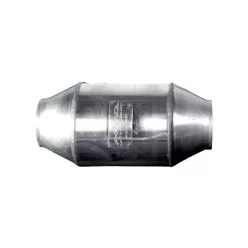
Net price: 94 €
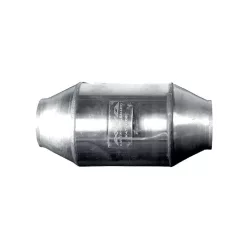
Net price: 94 €
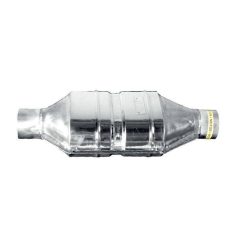
Net price: 284 €

Net price: 284 €
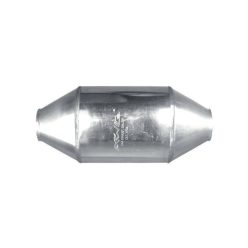
Net price: 260 €
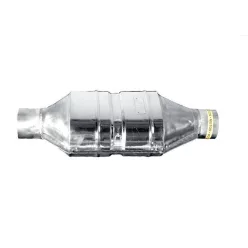
Net price: 263 €
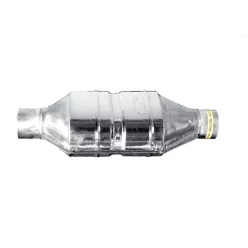
Net price: 263 €
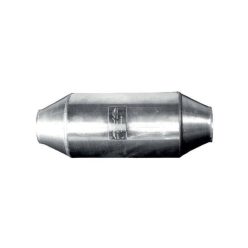
Net price: 169 €
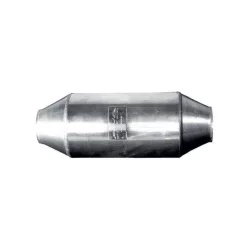
Net price: 169 €
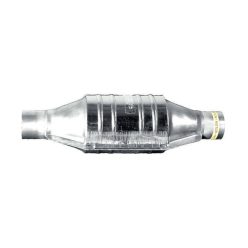
Net price: 257 €
Universal Catalytic Converters with Metal Inserts - sizing, heat load and installation logic
Metal-core layout: This category covers retrofit universal catalytic converters that use a metallic core inside the shell. The right choice is rarely decided by one figure alone, because pipe diameter, body length, engine size, target Euro level and the real space under the car all influence whether the converter integrates neatly into the exhaust.
Technical background and system integration
Duty cycle: Metal-insert converters are commonly reviewed when the exhaust sees stronger heat cycling, sportier use or a mechanically tougher environment. Even then, the whole system still matters, because poor placement or forced pipe routing can load the shell in ways that work against long-term stability.
Sizing logic: Product cards in this range commonly show FI 45, FI 50 or FI 55 sizes, different body lengths, multiple CPSI values and Euro-oriented versions. Those figures should be checked against the real connecting pipe size, transition layout and installation space rather than taken as isolated numbers.
- Diameter: Match the joining pipe and think about transitions, not only the nominal inlet size.
- Length: Allow for the body itself and also the straight section needed for welding or clamp fitment.
- Euro level: Judge it in the context of the target system layout and project goal.
- CPSI: Cell density makes more sense when viewed together with engine setup, exhaust design and intended use.
How to choose the right one
Quick selection guide: Because this is a product-list page, start by filtering for pipe diameter and engine-size range, then confirm body length and target Euro level on the product card. If you want to compare all routes first, begin at Universal Catalytic Converters and narrow the choice from there.
Filter logic: A cost-aware road build may start from a different shortlist than a system that sees more heat, vibration or tight packaging. Beyond displacement, check how much room remains for welds, sensor access and full exhaust movement once the car is running under load.
- Engine type: Naturally aspirated and turbocharged setups can create different heat and flow conditions.
- Space claim: Measure the true space between the floor, braces and nearby shields before ordering.
- System layout: Mid-section design, transitions and sensor position all affect clean integration.
- Comparison: For mainstream road-biased builds, it is worth opening Universal Catalytic Converters with Ceramic Inserts as a direct comparison.
Installation and failure-prevention tips
Install sequence: Trial-fit the converter first and align it on axis before final welding or clamp tightening. The shell should sit in a natural position, the hangers should not preload the exhaust, and welds should not intrude unnecessarily into the gas path.
Typical mistake: When the converter shell is installed under side load, later heat cycles can lead to resonance, internal rattle, exhaust smell or intermittent warning symptoms. Prevention usually comes from accurate alignment, hangers that work with system movement and pipe routing that does not twist or pull the shell.
Before final fixing, check clearance for sensor positions, heat shields, bodywork and the full movement range of the exhaust, because a part that fits statically may become tight once the system shifts in real use.
PRO TIP: Before removing the old section, measure the pipe outside diameter, photograph the installation area and note how much straight length is available for welding or clamping; it saves a lot of trimming and rework later.
Frequently asked questions
What is the difference between a metal-insert and a ceramic-insert universal catalytic converter?
The difference is not only about price; they can also suit different heat-cycle and mechanical environments. Ceramic is often the first route for cost-aware road use, while metal tends to move forward on the shortlist when the exhaust is worked harder.
How do I know I am looking at the right size?
Measure the connecting pipe diameter, the full available length and the real clearance around the planned mounting point. Compare those numbers with the product card and leave enough room for transitions, welds and exhaust movement.
What is the most common failure or installation mistake?
Use a checklist: confirm the shell sits on axis, make sure the hangers are not preloading the exhaust, check that the weld lip does not protrude into the pipe, and verify there is enough room for engine and system movement. Then review sealing points and sensor locations before the first full heat cycle.
Does CPSI matter?
Yes, but only as part of the complete system picture. Cell density can affect the relationship between gas speed and active surface area, so it should be judged alongside engine setup, pipe diameter and intended use.
Can a universal catalytic converter be used in a custom exhaust?
In many cases yes, provided the layout is clean and the fit-up is planned properly. In custom systems, placement, transitions, support strategy and local heat protection usually matter more than any single catalogue figure.
