
A base layer (racing underwear) is the first layer between skin and outer racewear: it can help keep the clothing system calmer under the suit while supporting comfort and moisture feel during motorsport use. In this category you will mainly find tops and bottoms in homologated and technical versions, typically with a strong Sparco focus.
Choose by homologated/technical status, long or short cut, and by how smoothly the layer sits under the outer suit. Do not rely on T-shirt size alone; shoulder, waist and upper-thigh behaviour in a seated position tells you far more about real fit. Verify exact dimensions and specifications on the product card; in-stock items dispatch fast within the EU.
Use filters by size, price and availability, then confirm on the product page whether you are building a long or short top-and-bottom setup, or adjusting one part of an existing layering system.
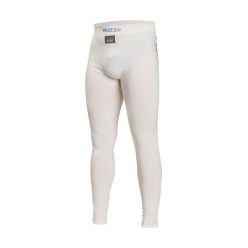
Net price: 84 €
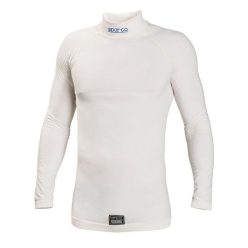
Net price: 95 €

Net price: 43 €
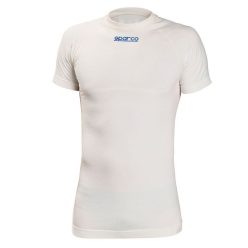
Net price: 55 €

Net price: 62 €

Net price: 78 €

Net price: 125 €

Net price: 147 €

Net price: 114 €

Net price: 114 €

Net price: 136 €

Net price: 136 €
Base Layers - Clean Layering, Calmer Fit and Checkable Specification
Motorsport underlayer, often searched as a base layer, works best when it stays smooth under the outer suit, remains manageable in a seated position, and the specification shown on the product page matches the way you actually plan to use it. In this category, the top and bottom should not only fit on their own, but also form a tidy layer system together under the outer garment.
Technical background
Layer role: Not every underlayer serves the same purpose. With homologated pieces, the marking shown on the product page and the related use case matter most, while technical options are usually chosen more around comfort, cut and how the layer behaves under outer racewear.
Fabric feel: The current range includes models built around fire-resistant cotton and FR modacrylic blends, along with different knit and panel layouts. That can influence how closely the garment follows the body, how it behaves under a suit, and how even the surface remains around the shoulders, waist or behind the knees.
- Cut: Long-sleeve tops, long bottoms and shorter versions can all make sense, but the right choice depends on the full clothing system.
- Status: Not every piece is intended for the same type of use, so homologated and non-homologated options should be filtered with different logic.
- Seam layout: Seams, knit zones and stretch areas matter where the harness, seat or outer suit presses the layer against the body.
- Brand focus: The present range is centred mainly on Sparco, so series name, version and size run create the real differences between options.
How to choose
Fit logic: Read chest, waist, hips, inside leg and height together. The aim is not simply to make the layer as tight as possible, but to keep it smooth under the outer garment without twisting, bunching or distracting movement.
If you want to review the full fireproof and technical layering range first, the parent category is the right next step before narrowing the selection.
Product page: Check whether the item is homologated or technical, whether it is a long or short version, and whether the matching top or bottom should be paired using the same logic. Filters speed up the shortlist, but the final decision should come from size, version and the specification written on the product page.
- Long layer: This can be the tidier starting point in cooler conditions or where fuller coverage suits the rest of the clothing system.
- Short version: This may be the better fit when the intended use, comfort preference and outer garment make that format easier to manage.
- Pairing: When choosing tops and bottoms, it usually helps to keep the same status logic and size step across both parts.
Use, layering and care
First fitting: Check the underlayer as you intend to use it, ideally seated and worn with the outer suit. Around the shoulders, underarms, waist and behind the knees, it becomes clear very quickly whether the layer stays flat or starts to gather.
Typical issue: An underlayer that is too loose can create folds and pressure points under the outer suit, while one that is too tight may become distracting around the shoulders, neck or waist even if it first looks neat when standing.
Care: Follow the manufacturer's care instructions first. After use, let the garment air out, store it dry, and inspect the neck, cuffs, waist area and fabric surface before building it back into your layering setup.
PRO TIP: If you are between sizes, the better answer often comes not from the standing fit, but from which option stays smoother around the shoulder-belt and waist areas under the outer suit.
Frequently asked questions
Should I choose a homologated or a technical base layer?
Start with the intended use and the relevant event requirements. The product page status and your real application together give a safer decision than the product name or price alone.
What is the difference between long and short versions?
They may differ not only in coverage, but in how they interact with the outer garment. It is better to decide from the suit worn over the top, overall comfort and the full layering plan.
Can I choose a different size for the top and the bottom?
Yes, and in many cases that gives the cleaner fit. If your shoulders and chest need one size while waist or hips point elsewhere, check the top and bottom size guides separately.
What should I inspect if the base layer feels wrong under the suit?
Check whether it rides up at the neck, pulls under the arms, creates folds at the waist, gathers around the upper thigh or behind the knee, and whether cuffs or leg ends shift once dressed. Always do the check with the outer garment on and in a seated position.
How should I wash and store it?
Use the care label and the manufacturer's instructions as the first reference. Store it only when fully dry, and avoid leaving the fabric twisted or heavily compressed between uses.
Filter by size, version and status, then confirm the detailed specification on the product page.
