
Tyre warmers (gumimelegítők) are electric heaters used trackside to support tyre preparation before running; the aim is a more predictable first lap feel and a calmer start to a session.
Choose by wheel diameter and tyre width, then consider control type and cable routing so your tyre prep routine stays consistent in the paddock.
Verify exact dimensions and specifications on the product card; in-stock items dispatch fast within the EU. Before use, check fitment and straps for safe handling and avoid sharp bends to protect cable longevity.

Net price: 2 024 €

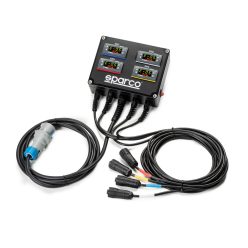

Tyre Warmers For Track Use: More Consistent Prep and Smoother Session Starts
Tyre warmers are trackside heaters that sit on the wheel to support tyre preparation while stationary; set up well, they become part of a repeatable routine rather than a last-minute scramble.
The goal isn’t a promise of results, but reducing variability at the start of a run so it’s easier to repeat braking points and inputs as the tyre structure settles under load with a controlled load-up approach.
Technical background: what makes prep feel “right”?
Tyre surface and internal structure don’t always respond at the same pace; warmers can help soften the transition so early laps feel less abrupt, supporting a managed heat transition.
On busy days (in, check, out again), tidy cabling and a consistent fitting method matter as much as the hardware for paddock order.
- Even contact: best results usually come when the warmer sits smoothly on the tread without large folds.
- Control: controller style and usability influence how easily you adapt settings to your own routine.
How to choose the right size and setup
Quick selection guide: start from wheel diameter (common inch sizes, with mm helpful), then match tyre width and front/rear pairing for fitment accuracy.
- Wheel diameter: confirm rim size (e.g. 15”, 17”, 18”) matches the warmer design.
- Tyre width: slick, semi-slick and wet tyres can differ in real width; use the product card range as your reference.
- Front/rear: many setups use different front and rear sizes, so plan as a pair.
- Power setup: check extension leads, connectors and protection suit your paddock supply.
If you’re building a complete wheel and tyre service setup, check the “Wheel and tyre service” parent category for related essentials.
Use, fitting and failure-prevention
Fit the warmer smoothly over the tread, secure the straps, then route the cable so it isn’t under tension and can’t snag a rotating part; that’s the basis of safe cable routing.
Work with the car properly supported and keep the controller accessible so fitting and removal stay calm and deliberate for clean pit workflow.
- Dry surfaces: aim to keep tyre and warmer dry, and keep connectors away from moisture.
- No sharp bends: avoid tight twists at the plug and cable entry to reduce strain over time.
A common issue is a loose or folded fit combined with a cable being pulled: it makes fitting feel uncertain and can turn use into a hassle; build a habit of smoothing folds and re-checking straps before each run for strap discipline.
PRO TIP: Label sets (left/right, front/rear) and follow a fixed order (fit–check–cable path) so team rotations stay fast and consistent.
FAQ
What is the most common failure or user mistake?
Check the cable and plug for strain, confirm the warmer sits smoothly on the tread, and verify straps hold firmly. Make sure the cable can’t touch any rotating part and that your power supply is stable (leads, splitters, protection). If anything looks uncertain, refit first and only then continue the routine.
What’s the difference between basic and controlled (regulated) options?
Control type mainly affects usability and how straightforward your routine is. Use the product card to decide whether adjustability and feedback are important in your paddock environment.
How do I know I’m choosing the right size?
Start with rim diameter (inch), then match tyre width against the compatibility range on the product card. If your front and rear sizes differ, select the corresponding pair.
Can I use tyre warmers on slightly damp tyres?
It’s usually best to keep tyre and warmer dry. If moisture is present, dry the surface first and ensure connectors and leads remain dry and safe.
What should I check between sessions for quick removal and refitting?
Keep a dedicated place for the controller and cable, re-check strap tension, and do a quick pass for folds. A short visual check often prevents rushed errors.
