
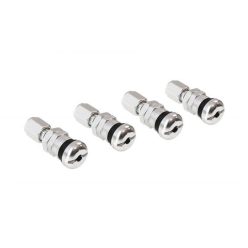
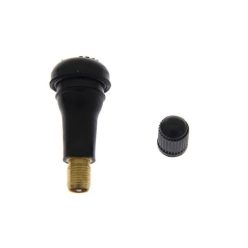
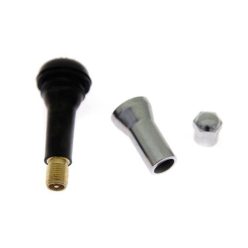
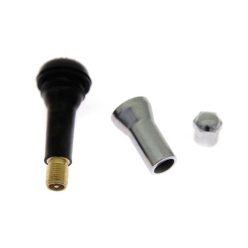
A tyre valve is a small but important part of a tubeless wheel: it is the point where you set pressure and help preserve air retention across the wheel and tyre assembly. In this category you will typically find TR413/TR414 style rubber snap-in valves plus selected aluminium options for passenger-car, road or hobby use.
Use the filters by type, brand and availability, then open the product card to confirm rim hole size, effective length and pack quantity. The right choice usually depends on the correct rim hole, valve material and how accessible the valve area is on the wheel.
Verify exact dimensions and specifications on the product card; in-stock items dispatch fast within the EU. Before fitting, inspect the rim hole edge and the old valve condition, because burrs, corrosion or aged rubber can easily lead to slow pressure loss.

Tyre Valves: Air Retention, Fitment and Smarter Wheel Maintenance
Air retention is the real job of this category: these are tubeless wheel valves, often searched by builders simply as tyre valves, and the correct part does more than allow inflation because it also contributes to the sealing behaviour of the wheel and tyre assembly.
Whether you are refreshing a daily-driven set of wheels or preparing a spare set for seasonal use, the right choice usually comes down to the actual rim hole, valve access with your inflator and the material of the valve itself. This range can include rubber snap-in styles and selected aluminium versions, so the product card matters more than colour or a quick visual match.
Technical background and system integration
Valve body choice affects how the part sits in the wheel. A rubber snap-in valve can better accommodate small variations at the rim hole, while an aluminium version depends more heavily on seat condition, washer fit and the tightening process used for that design.
System role matters here because the valve is not just an air entry point. The valve core, cap, sealing section at the base and the actual rim hole all work together, so a small issue at one point can show up later as an annoying pressure drift.
- TR413: commonly the shorter snap-in option for around 0.453 inch or 11.5 mm rim holes, widely used on many passenger-car applications.
- TR414: typically the longer version within the same family, which can be more convenient when access around the wheel face is tighter.
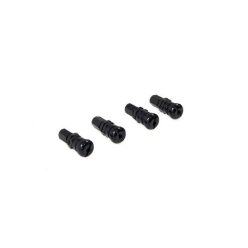
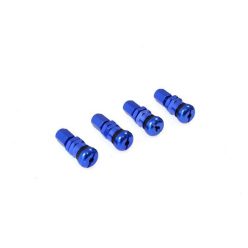
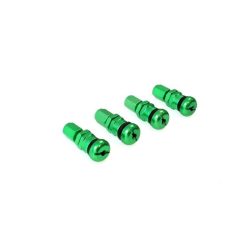
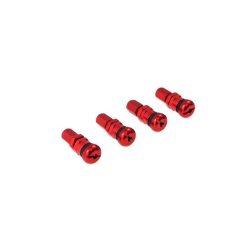
- Aluminium: often chosen for wheel style, cap design or a specific look, but fitment still needs to be confirmed from the exact product-card data.
How to choose the right one
Quick selection guide: first decide whether you need a traditional rubber snap-in valve or an aluminium version. Then confirm rim hole size, usable valve length and how easy it will be to reach the valve with a gauge, pump head or service tool.
Hole and length should drive the decision: if access is awkward because of the wheel design, a longer version may be easier to live with, while a shorter one can still be perfectly suitable on simpler layouts. In practice, the TR413 versus TR414 choice is often about access as much as part family.
Product card details should also include pack quantity, because this category can contain small packs as well as workshop-style bulk packs. When several universal-looking options appear together, prioritise rim hole, length and pack size before colour or finish.
Installation and failure-prevention tips
Clean seating gives you the best start: inspect the rim hole for burrs, oxidation and leftover rubber or sealing debris before fitting. The valve can only sit properly if the contact area is clean and the body is not twisted during pull-through or snap-in installation.
Clean the rim hole and the valve seat before installation. Degrease using a manufacturer-recommended cleaner, then allow to dry completely before applying load/boost. After that, check that the valve has not rotated, twisted or been nicked during fitting.
Common issue: the usual problem is slow pressure loss when the valve base does not sit cleanly in the rim hole, the rubber body becomes slightly twisted, or old service parts are reused; the wheel may look acceptable when cold, then lose pressure over days, which is best prevented by a clean seat, an undamaged rim-hole edge and careful inspection of fresh sealing components.
Post-fit check is worth doing after the first drive or first pressure cycle. Recheck pressure, cap fit and whether the valve still sits straight, especially on freshly mounted tyres, refurbished wheels or a second wheel set that spends time in storage.
PRO TIP: If you are buying for more than one wheel set, confirm pack size as early as possible, because workshop replenishment and home servicing often call for very different quantities.
FAQ
What is the difference between TR413 and TR414?
They belong to the same snap-in family, but TR414 is typically the longer version, which can be easier to access on some wheel designs. Exact compatibility should still be checked on the product card against the rim hole and valve length details.
When is a rubber snap-in valve enough, and when should I look at aluminium?
For many normal passenger-car uses, a rubber snap-in valve is entirely appropriate. Aluminium can make sense when wheel style, cap design or the layout of a specific wheel set points you that way, but fitment still needs to be confirmed from the exact listing.
What is the most common failure or installation mistake?
Start by checking that the cap and valve core are in good condition, then inspect the rim-hole edge and the seating of the valve base. After that, confirm the valve is not leaning or twisted, and only then move on to checking tyre bead or wheel issues elsewhere.
What should I inspect if pressure drops slowly?
Begin with the cap and valve core, then inspect the base of the valve, the rim hole and the tyre bead area nearby. If the pressure change appears mainly after storage, it helps to isolate each wheel so you can confirm whether the valve area is really the source.
Should I replace the valve when tyres are changed?
In many cases it is sensible because that is when access is easiest and the rim hole can be inspected properly. It becomes especially worthwhile when the rubber looks aged, the cap is missing, the valve core is uncertain or the wheel has recently been refurbished.
