
TurboWorks Straight AN to Thread Adapters (NPT, ORB, Metric) brings together aluminium adapters for linking AN plumbing to NPT, ORB (O-ring boss) and metric ports in fuel, oil and water systems. Common filter sizes include AN3–AN12, 1/8NPT–3/4NPT and 8–15 mm metric options.
To see the full family, use: Straight AN to Thread Adapters (NPT, ORB, Metric). Filter by Size, sort the list, then open the product page to confirm the exact thread and sealing method (37° flare / O-ring / thread seal). Choose the compatible adapter and add it to your basket.


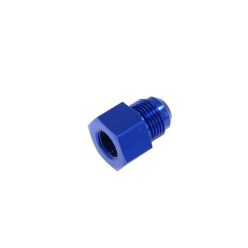
Net price: 3 €



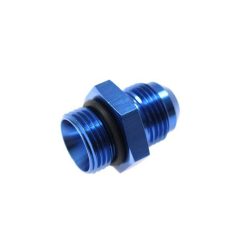

Net price: 4 €
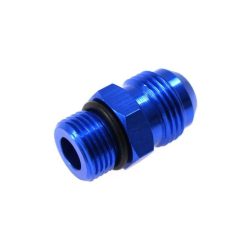
Net price: 4 €
TurboWorks Straight AN to Thread Adapters (NPT, ORB, Metric) – standardised interfaces for tidy routing, quick servicing and dependable sealing
TurboWorks Straight AN to Thread Adapters (NPT, ORB, Metric) is designed for builds where different connection standards must work together without messy compromises. The range covers straight thread transitions, reducers, unions and nipple-style joiners, helping you keep fuel, oil and coolant plumbing neat and service-friendly.
The listing shows 187 products and can be filtered across AN3–AN12, multiple NPT sizes (including 1/8NPT, 1/4NPT, 3/8NPT, 1/2NPT, 3/4NPT) and 8–15 mm metric options. You will also see items marked with o-ring, which signals a different sealing approach and is worth checking on the individual product page before ordering.
Technical Basics
AN joints typically seal on a 37° flare seat, so the thread itself is mainly a clamp. That is why clean, undamaged seats matter so much on sizes like AN6 and AN10, especially if the system is serviced often.
NPT is a tapered thread that commonly seals on the thread, so a suitable thread sealant is often part of the assembly. One short warning: do not “mix and hope” with similar-looking thread standards, because mismatches can damage threads and create hard-to-find weeps.
Where a part is described as with o-ring, sealing relies on the O-ring and the port face rather than thread seal alone, so surface cleanliness and O-ring condition become the critical checks. TurboWorks product pages commonly describe the parts as aluminium and list use across oil, water and fuel systems, including compatibility with rubber and nylon hoses.
Selection Criteria
Start from the receiving port: is it NPT, metric or an O-ring style interface, and which sealing method does it require? That decision determines whether you need a straight adapter, a reducer, a union or a nipple-style joiner for your layout.
Next, pick the AN size based on the whole system, not just one component. AN4 / AN6 are common for smaller branches, while main lines often step up to AN8 or AN10; the best choice depends on routing space, service access and the role of the line (feed, return, sensor take-off).
If you are selecting a metric transition (for example M14x1.5 style), confirm pitch and engagement length, not only the nominal diameter. If the listing mentions with o-ring, plan for correct O-ring condition and replacement during servicing rather than relying on extra tightening.
Installation & Maintenance
Clean threads and sealing faces before assembly, and start threads by hand to avoid cross-threading. On AN, protect the 37° flare seats from scratches, because that is where the seal is made.
On NPT, use an appropriate thread sealant and avoid over-tightening tapered threads. On O-ring style joints, make sure the O-ring is seated and not pinched; if it is flattened, cut or hardened, replace it rather than chasing the leak with torque.
After installation, leak-check under operating pressure and temperature. If you regularly dismantle the setup (track days, maintenance), keeping sealing faces pristine and replacing O-rings as needed is more reliable than repeated “nips up”.
FAQ
What is the difference between AN and NPT?
AN usually seals on a 37° flare seat, while NPT is tapered and commonly seals on the thread with sealant. They are not interchangeable, even if something “seems to thread in”. Always match the port standard on the component you are connecting to.
What does “with o-ring” mean on an adapter?
It indicates the joint relies on an O-ring and a port face for sealing, not only on thread engagement. That makes O-ring condition and surface cleanliness the key checks. If you are unsure, confirm the sealing method on the product page before ordering.
How do I choose between AN6 and AN8?
Match the size to your existing hose ends and the job of the line (main feed/return vs a smaller branch). The size must be consistent across the full joint (adapter, hose end, mating fitting) for correct seating and flow. If space is tight, also consider tool access and hose bend radius.
When do I need a reducer adapter?
Use a reducer when the port thread and the AN line size differ, or when you are creating a smaller take-off for a sensor or auxiliary line. A typical example is a main AN6 line with a 1/8NPT instrument port. Just make sure you are not restricting the main flow path unintentionally.
Are these adapters suitable for fuel, oil and coolant systems?
TurboWorks product pages commonly list use in fuel, oil and water systems and mention compatibility with rubber and nylon hoses. Final suitability still depends on your full setup (fluid, temperature, hose type). For critical applications, follow the specific product page details.
Filter by size and thread type, confirm the sealing method, and order the TurboWorks adapter that matches your ports.
