
In TurboWorks Fuel Pressure Regulators you’ll find universal fuel pressure regulator (FPR) options in several formats, including standard regulators (e.g. 2.0–8.0 bar) and ByPass series variants (e.g. 0–10 bar).
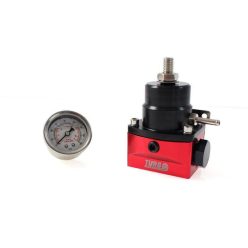
Listings include AN6 and AN10 ported versions and a 1/8 NPT connection for a gauge; multiple items come with a liquid-filled pressure gauge in the box.
Use filters and sorting, open each product card, and confirm port type and adjustment range before fitting. Choose the TurboWorks regulator that matches your setup and place your order.
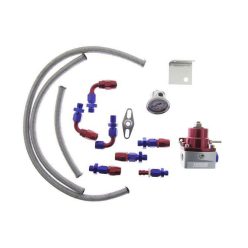
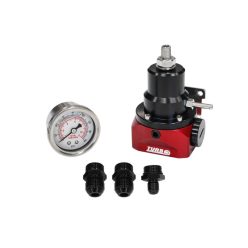
Net price: 41 €
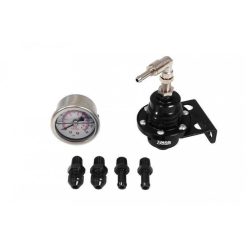
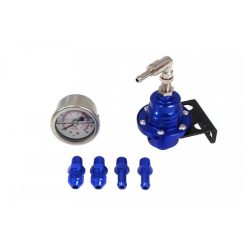
Net price: 35 €

Net price: 31 €
Net price: 25 €
Net price: 25 €
Net price: 25 €

Net price: 25 €
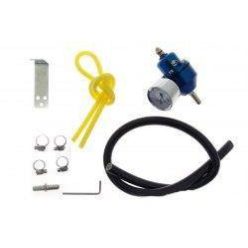
Net price: 35 €

Net price: 35 €
TurboWorks Fuel Pressure Regulators – adjustable pressure control, AN plumbing options and gauge-ready setups
A fuel pressure regulator (FPR) helps stabilise the set pressure in your fuel system, which is essential when pump output, line routing and return capacity must work together without pressure creep or drop.
The TurboWorks Fuel Pressure Regulators range includes universal variants where the stated adjustment window can be 2.0–8.0 bar, while ByPass series items can be listed with 0–10 bar adjustment. Many products are supplied with a pressure gauge, often described as liquid-filled (for improved readability under vibration).
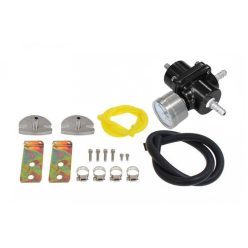
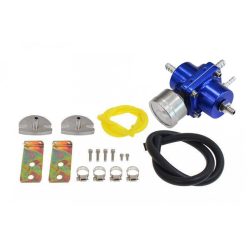
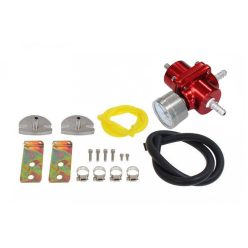
Some options are offered as sets, where the description indicates the package may include braided fuel lines and fitting elements. This can simplify planning if you want a consistent, compatible combination from the start.
Technical Basics
Start with the pressure range: product descriptions in this category can specify 2.0–8.0 bar or 0–10 bar adjustment. Your target pressure and system layout should dictate the choice, and the real-world result is influenced by line sizing and return flow capacity.
Port standards are crucial: you’ll see AN sizes such as AN6 and AN10, while gauge connections can be listed as 1/8 NPT. AN and NPT seal differently, so treat them as separate standards during assembly and avoid mixing assumptions.
For ByPass series items, the description notes they are designed to be installed behind the fuel rail, which affects packaging and hose routing. Plan mounting position and line angles to avoid hose strain and tight bends.
Many TurboWorks listings are labelled “universal” and can reference anodised aluminium construction and CNC manufacturing. Fitment still depends on your port selection, available space and the rest of your fuel system components.
Selection Criteria
Match your plumbing first: if your setup is built around AN6, choose an AN6 ported regulator; for larger line size, AN10 may be more appropriate. Reducing the number of adapters usually reduces leak points and restriction risk.
Then choose the adjustment window: a regulator listed at 2.0–8.0 bar can suit many builds if your target sits inside that range, while 0–10 bar options provide broader adjustment if you need it. Confirm your intended base pressure and how you plan to set and verify it.
Consider monitoring: if you want quick setup and diagnostics, pick a listing that includes a pressure gauge and references a 1/8 NPT gauge connection. A visible, stable reading is helpful when checking behaviour at idle and under load.
Finally, decide whether you prefer a complete kit: some set descriptions mention braided lines and fitting elements included. This can make the initial build cleaner, especially if you want all parts to “match” without trial-and-error sizing.
Installation & Maintenance
Only work on the fuel system after depressurising it, and always perform a full leak check after the first start. Inspect every fitting and joint, because fuel leaks are a safety hazard.
With AN fittings, focus on clean sealing faces and correct tightening; with NPT threads, use proper tapered-thread sealing and correct insertion depth. If a gauge uses 1/8 NPT, keep sealing compound out of the fuel path and ensure the gauge connection remains serviceable.
After setting pressure, verify readings at idle and under load. If you see instability, common causes include a restricted return path, poor hose routing, or loosening joints after heat cycles, so review the entire fuel line route.
For ongoing reliability, periodically re-check mounts, hose condition and fitting tightness. Fuel smell, damp joints or load-related hesitation should trigger an immediate inspection of your fuel pressure control.
FAQ
Which TurboWorks regulator should I choose: 2.0–8.0 bar or 0–10 bar?
Choose based on your target fuel pressure and the adjustment window you want available. 0–10 bar offers broader adjustment, while 2.0–8.0 bar can be sufficient if your goal sits inside that range. Always confirm the final setting with a gauge reading.
What do AN6 and AN10 mean?
AN6 and AN10 indicate the fitting size standard used for the regulator ports. They determine which hose ends and adapters will fit your fuel lines. Keeping the system consistent reduces adapters and potential leak points.
Why is 1/8 NPT mentioned on some listings?
1/8 NPT is a tapered thread standard commonly used for a pressure gauge or sensor connection. It seals differently from AN, so it requires the correct assembly method. Check thread compatibility and clearance for the gauge body before fitting.
What does “ByPass series” mean here?
The description notes ByPass series regulators are designed to be installed behind the fuel rail. This influences where you mount it and how you route lines to and from the rail. Plan the layout to avoid kinks, heat exposure and hose strain.
What is the benefit of a liquid-filled pressure gauge?
A liquid-filled gauge can reduce needle vibration, making readings easier to interpret. It’s still important to validate pressure under load, not only at idle. If readings fluctuate, re-check routing, return flow and sealing.
Confirm ports, range and monitoring needs, then choose the right TurboWorks FPR and check out.
