
Turbo and intake silicone hoses (turbo intake silicone hoses) connect turbo, intercooler and intake pipework to keep sealing consistent while allowing thermal movement and vibration. Pick the right inner diameter, bend and length so the hose sits without twisting or kinking.
Use filters by size and shape, then open the product card to confirm exact dimensions and fitment notes. Verify exact dimensions and specifications on the product card; in-stock items dispatch fast within the EU.
Narrow it down to the correct coupler and add the best-matching option to your basket.
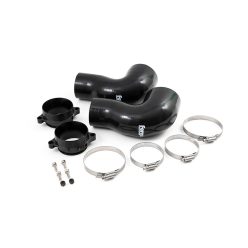
Net price: 272 €
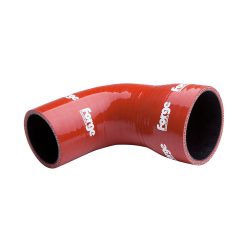
Net price: 117 €
Net price: 34 €
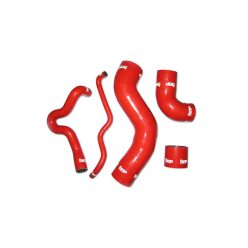
Net price: 216 €
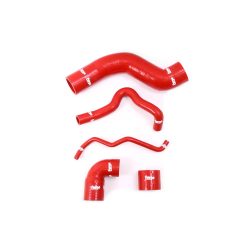
Net price: 216 €
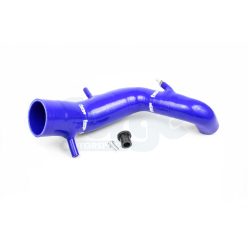
Net price: 238 €
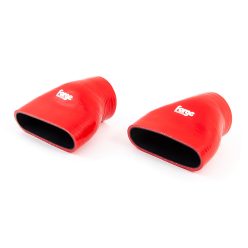
Net price: 167 €
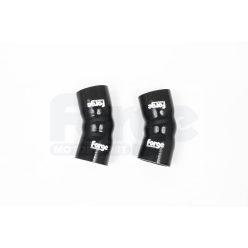
Net price: 124 €
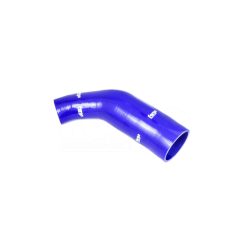
Net price: 58 €
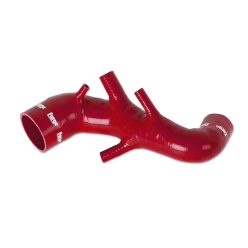
Net price: 238 €
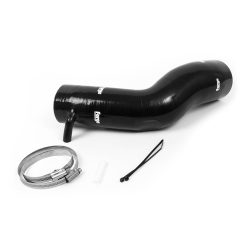
Net price: 125 €

Net price: 216 €
Turbo and Intake Silicone Hoses – fitment-led sealing and component protection
These silicone connectors for turbo and intake pipework help maintain sealing integrity while accommodating heat-driven movement and drivetrain vibration. The goal is correct fitment rather than “tighter”: the right diameter, bend geometry and clamp choice reduce the chance of slip, local stress points and small leaks over time.
Technical basics that matter in real installs
Typical pieces include straight couplers, 45°/90° elbows, reducers, and hump-style couplers designed to absorb movement in longer runs. Construction varies by product (reinforcement and ply count can differ), so rely on the product card for the exact build. A beaded pipe end helps retention; a sharp, unbeaded edge can encourage the hose to walk under load changes.
If your system sees oil vapour from PCV routing, surface condition and material selection become more important because contamination can reduce friction and change how the joint behaves. Where vacuum can occur, avoid tight-radius routing that can promote flattening, and ensure the hose is not being forced sideways by misaligned hard pipes.
Quick selection guide: size, shape, and routing
Start by measuring the pipe outer diameter (OD) and select a hose inner diameter (ID) that matches the product spec; too tight can bunch, too loose can still leak even with a clamp. Use reducers when the two ends differ, and choose elbow angle and centreline radius to prevent kinks and rubbing. Leave enough straight engagement length on the pipe so the clamp sits fully on the sealing land, not half on/half off an edge.
For the broader range of related items and accessories, see: Silicone hoses and accessories.
- Shape: straight, elbow, reducer, hump coupler – matched to routing and movement.
- Fitment: confirm ID/OD, length and any clearance notes on the product card.
- Units: inch sizes are common (e.g. 2.5"), with mm equivalents useful for checking.
Installation and maintenance: prevent leaks without over-stressing parts
Prep the joint so the hose can seat squarely: remove burrs, avoid twisting during assembly, and align the hard pipes before clamping. Degrease using a manufacturer-recommended cleaner, then allow to dry completely before applying load/boost. Position the clamp behind the bead and tighten progressively and evenly; excessive local pinch can cut into silicone, while under-tightening can allow the hose to creep.
A common failure mode is a small boost leak or a hose that pops slightly off the pipe after load changes because it was seated crooked, forced into a tight bend, or clamped on a contaminated surface. The root cause is usually incorrect ID, missing bead, an unsuitable clamp style/width, or routing that pre-loads the joint in shear.
PRO TIP: Mark hose and pipe orientation lines before tightening, then re-check clamp position and hose seating after the first heat cycles—this is when residual stress and settling show up.
If you need alternative hose types or matching accessories, use the parent category navigation to compare compatible options across the full range.
FAQ
How do I choose the correct ID?
Measure the pipe OD and match it to the hose ID listed on the product card. If the ends differ, pick a reducer rather than stretching one side. Also confirm usable length so you have enough engagement for the clamp to sit correctly.
What should I check if I suspect a boost leak?
Confirm the clamp is behind the bead and tightened evenly, and that the hose is not kinked or twisted. Inspect for oil film, uneven clamp marks, or the hose creeping off-centre. If possible, pressure-test and re-seat the joint after cleaning and drying the surfaces.
Silicone vs rubber for turbo intake plumbing?
Silicone often provides a compliant seal and good vibration isolation, while some rubber compounds may behave differently with certain vapours or packaging constraints. Choose based on your routing, contamination risk and the material notes on the product card. When unsure, prioritise proven fitment and correct clamp pairing.
Do I need T-bolt clamps?
Not always—what matters is even load distribution and a clamp that matches hose wall thickness and pipe geometry. A wider, more stable clamp can help on thicker-wall hoses or where movement is higher. Avoid sharp-edged, narrow clamps that can bite into the hose.
Is oil vapour (PCV) exposure an issue?
Oil mist can change surface friction and, with some materials, long-term behaviour. Monitor for softening, swelling or repeated clamp loosening, and select products whose material notes suit your use case. Keeping the joint clean and inspecting periodically is especially helpful in oil-mist-heavy setups.
Filter by size and shape, verify the product card specs, and select the coupler that fits your routing without stress.
