
Toyota performance intake systems (induction kit) can replace or reorganise several factory inlet-side parts together, so pipe routing, filter-side hardware and heat shielding need to work as one package. The right starting point is clean fitment and a stable air path.
The correct version depends on Toyota model, year, engine code, sensor layout and free space in the engine bay. Use filters, then confirm the vehicle list and fitment details on the product card.
Verify exact dimensions and specifications on the product card; in-stock items dispatch fast within the EU. Before installation, do a dry test-fit so the pipe, shield and clamps are not loaded against bodywork or sensor connectors.
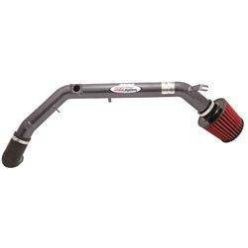
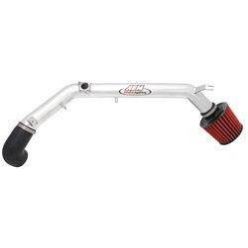
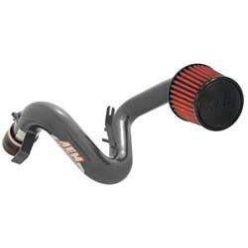
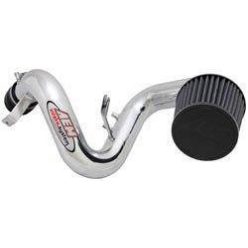
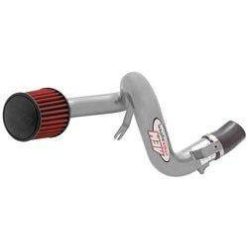
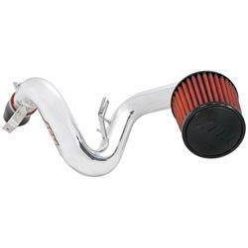
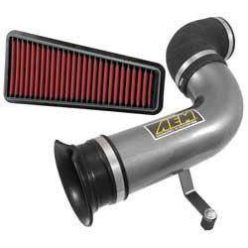

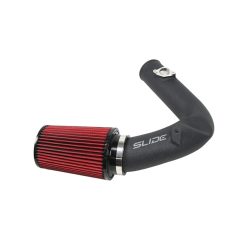
Net price: 264 €
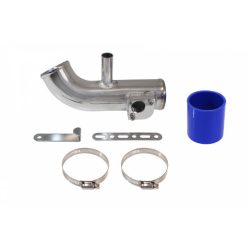
Net price: 61 €
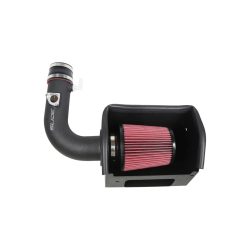
Net price: 319 €
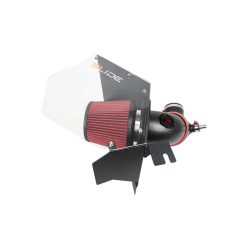
Net price: 363 €
Toyota Performance Intake Systems & Airboxes: Fitment, Air Path and Heat Control
Toyota-specific layout: These full Toyota inlet-side kits (air intake system) deal with several factory intake elements together, so pipe routing, filter position, heat shielding and sensor connections matter just as much as the filter itself. The system stays more settled when there is room for engine movement, thermal expansion and even sealing contact at each join.
System role: A well-chosen Toyota airbox or full intake system does more than guide air, because it can reduce stress on the joins, limit recirculation of warm under-bonnet air and help protect the sensor area from vibration or rubbing.
Technical background and system integration
Air path: On Toyota platforms, pipe radius, filter location and sensor housing design work together to influence how settled the airflow remains before the measuring point. That is why exact engine code, sensor layout and auxiliary take-off position matter at least as much as engine size.
Sensor logic: Around the MAF or MAP area, not only the connector shape matters but also the way the housing sits relative to the pipe route. A slightly rotated housing or a stressed connector can still create a result that deserves checking later on.
Heat control: Open-filter systems and more closed airboxes can behave differently in the engine bay, so it is worth checking where the kit draws fresh air from and how well the filter is separated from exhaust-side heat. Good thermal management comes from correct layout rather than blanket claims.
- Routing: The cleanest installation is the one that does not preload the pipe against the strut tower, battery area or fan shroud.
- Sensor position: Check that the sensor connection and any auxiliary take-off sit on the correct side and angle.
- Airbox logic: With a closed design, the lid fit, sealing edges and fresh-air feed need to work as one system.
How to choose the right one?
Quick selection guide: Start with Toyota model, year and engine code, then use the product card to confirm the exact vehicle list, sensor compatibility and whether the kit uses an open filter layout or a more closed airbox configuration.
Platform: Even within one brand, treat naturally aspirated, turbocharged, front-wheel-drive, rear-wheel-drive and boxer-based applications separately, because pipe routing, sensor position and space claim can differ substantially.
If you want a broader comparison, confirm engine code and sensor layout first, then return to the specific product card for the fitment details.
Installation and failure-prevention tips
Surface preparation: Couplers and joining stubs should be clean, burr-free and dry. Degrease using a manufacturer-recommended cleaner, then allow to dry completely before applying load/boost. This matters most on silicone or rubber joins where even sealing contact helps the system settle properly.
Seating: Tighten clamps progressively while checking that the pipe is fully seated around the full circumference, the heat shield is not acting as a stop, and there is still enough clearance when the engine moves under load.
Common failure: On Toyota intake systems, unstable idle, a changed intake note or a fault code often appears when the pipe is slightly twisted on the join, the sensor housing orientation is wrong, or an auxiliary take-off is not fully sealed; clean seating, a dry test-fit and an inspection after the first heat cycle usually prevent that chain of issues.
PRO TIP: After the first road test, recheck clamp position, free space around the filter and whether the pipe has started touching any nearby part that could slowly wear the surface during vibration.
FAQ
What should be my first check order if fitment does not look clean after installation?
Start with sensor housing direction, auxiliary take-off sealing, clamp position and whether the pipe is fully seated. Then confirm that nothing has been pulled out of line around the headlamp area, fan shroud or battery tray.
How does a full intake system differ from a panel filter?
A panel filter usually stays inside the factory airbox, while a full intake system changes the pipe route, filter location and often the heat-management strategy as well. That gives more freedom over the whole inlet path, but it also makes fitment details more important.
What should I inspect if I get an engine light after installation?
Check sensor plugs, vacuum or auxiliary hoses and each joint next to the clamps first. Then make sure the pipe or filter is not interfering with the loom, and confirm that the sensor housing size matches the specification shown on the product card.
Is an open filter or a closed airbox better for my car?
If the engine bay is tight and exposed to more radiant heat, a closed layout may offer a tidier thermal strategy. An open system can still work well when the fresh-air feed and shielding are properly managed.
When should the system be inspected and cleaned?
For road use, it is sensible to review filter condition, clamp seating and the surrounding pipe area at regular intervals. Dusty, wet or harder-used cars usually benefit from more frequent checks so movement or contamination is spotted earlier.
