
Tar, Glue & Insect Removers use targeted solvent and citrus-based chemistry to dissolve tar, bitumen, resin specks, bug film and adhesive residue. They soften contamination to minimise rubbing and reduce the risk of marring. Used correctly they leave paint, glass and plastics clean and streak-free without stripping protection.
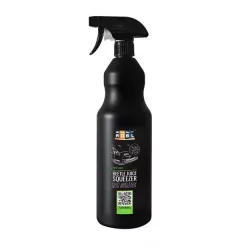
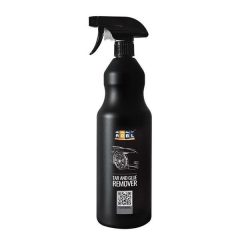
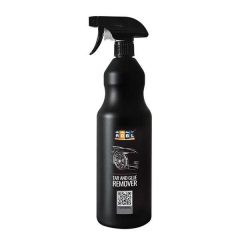
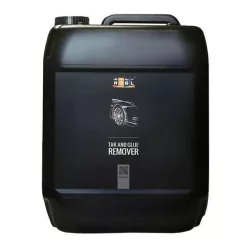
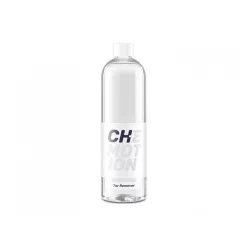
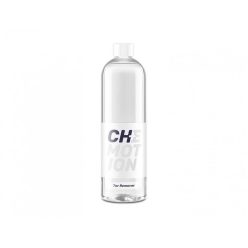
Brief summary + key benefits
Tar, Glue & Insect Removers are the heavy-duty stage of safe washing. They target bonded contaminants—tar/bitumen, resin specks, bug film and adhesive residues—that shampoos or APCs struggle with. By softening and dissolving the soils they reduce the need for rubbing, cutting the risk of marring and making the process faster and safer.
Technical basics
Most blends use aliphatic solvents, isoparaffins or d-limonene (citrus). These dissolve oily/bituminous bonds and emulsify contamination so it can be rinsed away. Bug removers often combine enzymes/surfactants to break protein/sugar films; a short dwell time lets the layer release with minimal contact. Many products employ a slow-flash carrier to keep the surface wet while still wiping off cleanly. Safe on paint, glass and metal; take care on raw rubber, polycarbonate lenses and fresh matt films—always test first.
Protection & compatibility: quality removers are not designed to strip wax/sealants, but long dwell, hot panels or overuse can reduce softer waxes. On coatings they are generally safe—refresh hydrophobics afterwards with a booster. Wipe any overspray from textured plastics immediately to avoid temporary sheen change.
Selection criteria
Soil type: black dots → dedicated tar remover; stubborn sticker weights → more oily adhesive remover; large yellow/brown film → citrus/solvent cleaner; heavy bug load → bug remover early in the wash. Surface: paint and glass are safe; raw rubber, polycarbonate and matt films require caution. Conditions: heat speeds evaporation—work in the shade and choose slower-flashing formulas if needed.
Application & care
Prep: pre-wash and rinse to remove grit. Work on a cool, dry panel. Apply to the contamination or onto a towel, treat one section at a time, allow a short dwell (never let dry), gently agitate with a soft towel/brush and rinse thoroughly. For adhesives, lift the softened film with the edge of a card rather than smearing it around. Use bug remover at the start of the wash so proteins don’t bake on.
Aftercare: wash the treated area with a neutral shampoo and top up protection if required (QD/spray sealant/booster). On wheels, follow tar removal with an iron remover for brake dust—never mix chemicals on the surface. When de-stickering larger areas, work in sections and flip to a clean towel side frequently.
Safety & common mistakes
Over-dwell: may haze sensitive plastics—follow the manufacturer’s guidance and never allow to dry. Excessive rubbing: if residue remains, reapply rather than scrubbing. Leftover film: always shampoo after use to remove carriers. Ensure ventilation and wear nitrile gloves when working indoors.
FAQ
Will it strip wax or coatings? Not in normal, targeted use; prolonged soaking can weaken soft waxes—refresh with a booster if needed.
Safe on matt films? Only after a spot test; many film makers advise against strong solvent/citrus blends.
Best wipe-off method? Lint-free microfibre or a soft applicator; use multiple clean towels to avoid smearing.
Correct wheel sequence? Tar remover → rinse → iron remover → rinse → shampoo.
Is bug remover enough on its own? Use it first, then shampoo wash to leave the surface streak-free.
