
T-Fittings and Y-Splitters (AN/NPT) is where you’ll find tee and Y splitter options for creating a clean branch in AN hose plumbing, or adding a threaded NPT port for a sensor/gauge take-off. Typical use is fuel and oil line distribution, pressure monitoring points, and compact junctions that stay serviceable later.
For other fitting families, start here: Fittings and Threaded Adapters. Use filters by Size and Brand, then open a product page to confirm exact threads and sealing style. Choose the compatible splitter and add it to your basket.
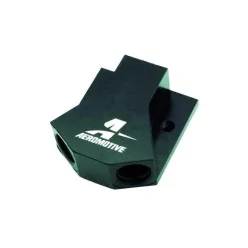
Net price: 146 €
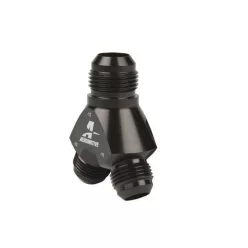
Net price: 84 €
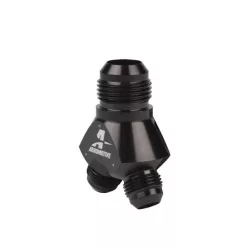
Net price: 86 €
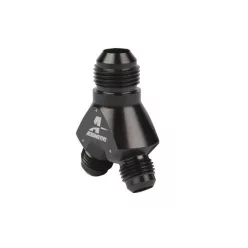
Net price: 66 €
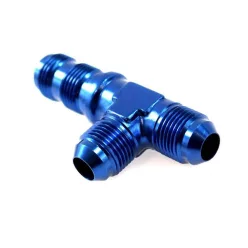
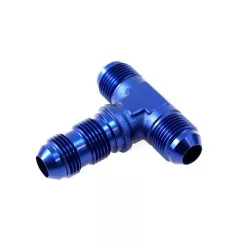
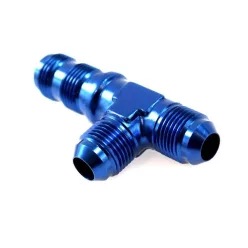
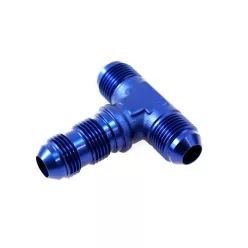

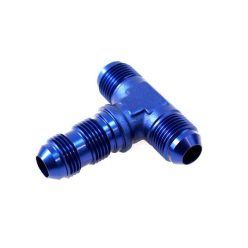
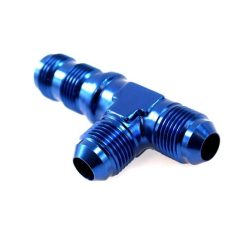
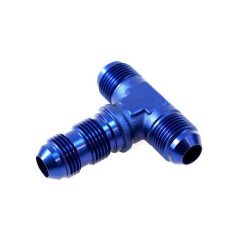
T-Fittings and Y-Splitters (AN/NPT) – tidy branches, clear hose routing and dependable sealing for fuel/oil plumbing
T-Fittings and Y-Splitters (AN/NPT) groups junction fittings used to branch a main line, split one feed into two runs, or create a compact take-off for instrumentation. A tee typically provides a right-angle branch, while a Y splitter (often called a Y-block) can make hose routing cleaner when you need two outlets and want gentler angles.
These parts are commonly chosen when your system is already built around AN hose ends but you also need a threaded NPT port for a sensor, switch, or test point. A well-chosen junction fitting is usually easier to service than stacking multiple small adapters and extra joiners.
Technical Basics
On the AN side, sealing is usually made on a 37° flare seat, not on the thread. If a joint weeps, the most common causes are a dirty or nicked seat, or a size mismatch (for example AN6 vs AN8), rather than “not tight enough”.
NPT is a tapered thread and often seals on the thread, which is why PTFE thread sealant may be used when the design calls for it. A short warning: similar-looking thread standards are not automatically interchangeable, so confirm the port standard before you assemble the junction.
Some tees are built in a bulkhead style for passing through a panel/firewall while still providing a branch. In that case, mechanical support and tool access matter as much as the thread and sealing method.
Selection Criteria
Start by choosing between a tee and a Y splitter: tees are compact and great for gauge take-offs, while Y-blocks can be easier to route when you truly split one line into two. Check how many branches you need and whether you can maintain a proper hose bend radius without side-loading the fitting.
Next, match sizes: keep your main line AN size consistent with your hose ends (for example AN3, AN6, AN10). If you need a sensor port, verify it is the correct 1/8 NPT (or other) thread for your sender; do not force a near-match thread.
Finally, choose body style (male/female combinations, compact junction block, through-panel/bulkhead) based on packaging. The best option is the one that seals by the correct method and still leaves spanner clearance for future servicing.
Installation & Maintenance
Clean threads and sealing faces and start threads by hand to avoid cross-threading. Protect 37° flare seats from damage, and use thread sealant on NPT only where appropriate, keeping excess sealant out of the flow path.
After assembly, leak-check at operating pressure and temperature, because small weeps often appear only once the system is hot. If the setup is serviced frequently (track support), periodic inspection of seats, threads and sensor ports is usually more reliable than repeatedly “tightening a bit more”.
FAQ
What’s the difference between an AN tee and a Y splitter?
A tee typically creates a right-angle branch and is very compact for instrumentation take-offs. A Y splitter often routes two outlets more smoothly when you split one feed into two lines. Choose based on packaging and hose routing, not just on looks.
Do I need thread sealant on NPT ports?
NPT is tapered and often seals on the thread, so PTFE sealant may be appropriate if the design expects it. Apply it sparingly and correctly to avoid contamination. Always confirm the port standard first.
How do I confirm my sensor thread is 1/8 NPT?
Use the sensor datasheet or manufacturer marking. Many threads look similar but will not seal correctly if mismatched. If your sensor is not 1/8 NPT, use the correct thread adapter rather than forcing it.
Should I size the branch the same as the main AN line?
Keep the main run consistent with your existing hose ends and fittings. A branch for a gauge/sensor can be smaller if it does not need high flow, but avoid unnecessary restrictions in the main path. Review your whole connection chain before ordering.
Why does a new AN junction fitting leak?
Common causes are a damaged/dirty 37° seat, mismatched sizes, or an incorrect thread standard on the port side. Re-check where the joint seals, not just whether it tightens. A pressure test under real conditions helps pinpoint the sealing point quickly.
Filter by size and interface, confirm threads and sealing on the product page, then order the tee or Y splitter that matches your plumbing.
