
The Suzuki Swift Tuning Kits category focuses mainly on the Swift Sport 1.4 Turbo (ZC33S) and related BoosterJet / K14 Hybrid applications, with a range led by Forge Motorsport, Forge Tuning and Milltek.
Typical items include Stage 1/Stage 2 ECU remap, an uprated intercooler, a cold air induction kit, plus boost, coolant and crankcase breather hoses in multiple colours.
Use the left-side filters (brand, stage, colour, finish), sort the list, then open each product card to confirm fitment (LHD/RHD, engine/version).
Choose the setup that matches your goal and add the right option to your basket.
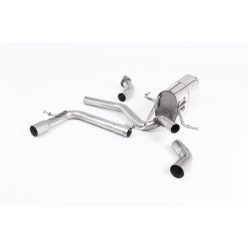
Net price: 1 064 €
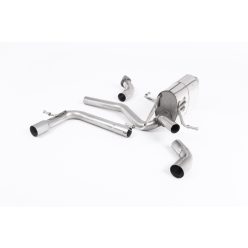
Net price: 896 €
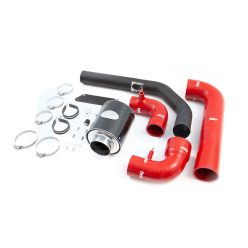
Net price: 374 €
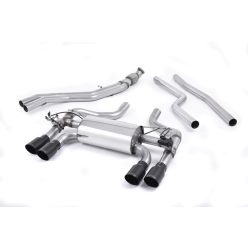
Net price: 2 927 €

Net price: 2 801 €
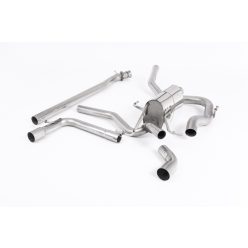
Net price: 1 232 €
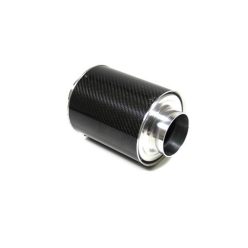
Net price: 112 €
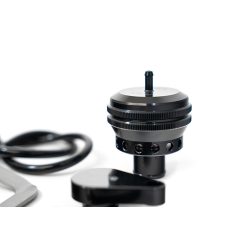
Net price: 179 €
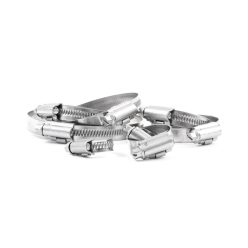
Net price: 24 €
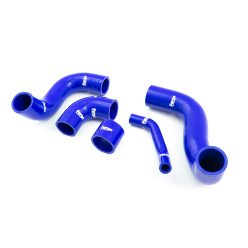
Net price: 207 €
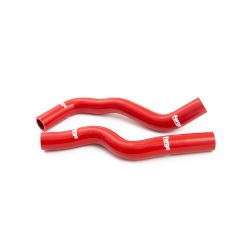
Net price: 93 €
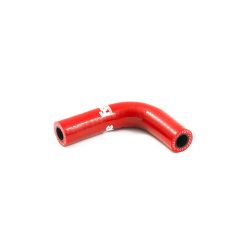
Net price: 54 €
Suzuki Swift Tuning Kits – ZC33S-focused upgrades for cooler charge air and more reliable hose connections
The Suzuki Swift Tuning Kits selection is built around the Swift Sport 1.4 Turbo (ZC33S) and certain BoosterJet / K14 Hybrid variants, where repeatable performance often depends on IAT control and leak-free boost plumbing.
Alongside “tuning kit” style bundles, the category includes key supporting hardware: ECU remap options, an uprated intercooler, a cold air induction kit, plus boost hose, coolant hose, breather hose and dump valve parts that help keep a turbo setup consistent.
Technical Basics
The Forge Tuning ECU remap listing provides Stage 1 and Stage 2 options, and for the K14 Hybrid version it also states example power/torque figures and the required supporting modifications for Stage 2.
For Stage 2, the same description lists a sport-cat exhaust, an uprated intercooler system and uprated air filtration, which is why planning hardware and software together is usually the cleanest route.
The cold air induction kit notes that the OEM airbox location can suffer from heat soak, and describes relocating the intake feed so it draws air from the front bumper area to keep intake temperatures lower.
The uprated intercooler description highlights a direct-fit approach to OEM mounting points and references reduced IAT plus larger gains on remapped cars; it also mentions finish options such as black coating or raw aluminium.
Silicone hose upgrades are positioned as replacing OEM rubber sections on the ZC33S boost/cooling circuits, often with an optional stainless hose clamp kit so the joints stay consistent at higher load.
The breather hose product notes a Fluoro (Fluorosilicone) inner lining intended to reduce oil seepage and discolouration over time, and it specifies the hose sits between the cam cover and inlet pipe.
For the dump valve, the description references a piston design with Viton O-rings, high-temperature lubrication and a serviceable build; it also points out a different valve is required for the Hybrid application.
Selection Criteria
Start by identifying your exact Swift: Swift Sport (ZC33S), 1.0 BoosterJet or K14 Hybrid. This affects which Stage remap, dump valve and hose routing options apply.
If repeatable performance is your priority under sustained load, begin with the intercooler; if response and intake character matter most, the induction kit (plus matching breather plumbing) is often the first step.
For boost plumbing, a boost hose kit makes sense when OEM rubber hoses are ageing or when you’re increasing stress with a remap. The product description lists multiple sections covered in one kit (DV hose, intercooler in/out and throttle-body hose).
Options like hose colour (red/blue/black) and With/Without Hose Clamp Kit should be chosen based on how much you want to standardise the installation and remove clamp-related variables.
Quick note: performance changes such as an ECU remap can affect warranty, insurance and local road compliance, so check your requirements before you proceed.
Installation & Maintenance
On a turbo Swift Sport, sealing is everything: ensure clamps are correctly positioned, silicone joints are fully seated, and re-check connections after a heat cycle to catch early boost leaks.
The dedicated hose clamp kit listing describes worm-drive clips made from 18/8 marine-grade stainless, designed to provide a smooth band surface and consistent clamping for the matched hose set.
For a dump valve, follow the manufacturer’s service guidance; the listing mentions periodic servicing (time or mileage based), which helps keep the Viton seals and piston movement consistent.
On the intake side, a Pipercross multi-layer foam replacement filter is available for specific FMINDK kits, which is useful if the element is damaged or heavily contaminated.
When fitting a breather hose, route it carefully between the cam cover and inlet pipe, secure it away from heat, and ensure the supplied clamps are tightened evenly to avoid mist leaks or unwanted air ingress.
FAQ
Which Swift models does “ZC33S” refer to?
ZC33S is used for the Swift Sport 1.4 Turbo platform and appears in multiple product fitment lines. Always confirm any LHD/RHD notes and the exact application list on the product page.
What’s different about the Swift Sport Hybrid (K14) remap?
The K14 Hybrid remap listing has its own fitment line and includes example figures for Stage 1/2. The dump valve description also points to a different part for the Hybrid application, so match parts to your exact version.
What do I need for a Stage 2 remap?
The Stage 2 requirements listed include a sport-cat exhaust, an uprated intercooler system and uprated air filtration. Confirm your current hardware before selecting Stage 2.
Why upgrade boost hoses instead of keeping the OEM rubber lines?
The boost hose kit description states it replaces multiple OEM rubber hoses with silicone sections intended to cope with higher stress on tuned and remapped engines. It’s also a practical preventative step if the factory hoses are ageing.
What does a Fluorosilicone liner do in a breather hose?
The breather hose listing mentions a Fluoro lining designed to reduce oil seepage through silicone and prevent discolouration over time. It also notes suitability around oil mist and modern long-life coolant environments.
When should I replace the induction kit filter element?
If the element is damaged, overly dirty or no longer cleans up properly, a dedicated replacement filter is listed for certain FMINDK kits. Check the part-number compatibility before ordering.
Filter by your exact Swift version, verify the notes on the product card, and order the setup that fits your goal.
