
Subaru performance intake systems (intake kits) are model-specific induction packages that set pipe routing, filter position and airbox layout around the engine bay. They suit builds that need accurate fitment, clean sensor routing and Subaru-specific packaging.
The current range includes AEM, Mishimoto, PRORACING, SIMOTA and SLIDE options, mainly across WRX, STI, Impreza, Forester and BRZ applications, so the best starting point is the exact year, engine code and factory sensor layout. Verify exact dimensions and specifications on the product card; in-stock items dispatch fast within the EU.
Use the product card to confirm application coverage, shared-platform BRZ/GT86/FR-S fitment and kit contents. During installation, stress-free alignment and a dry joint surface help reduce the chance of false-air issues and later clamp readjustment.
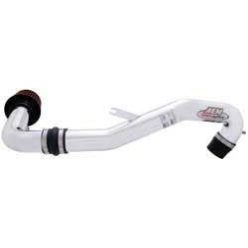
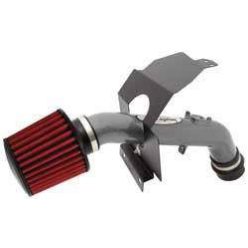
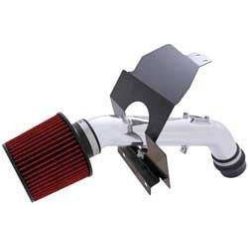
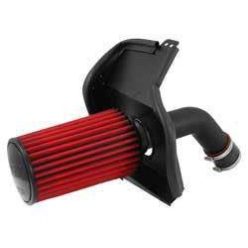
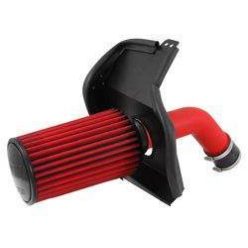
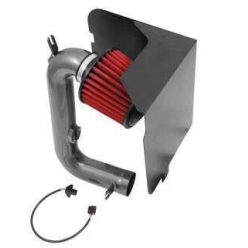
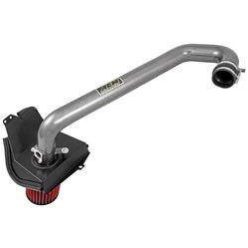
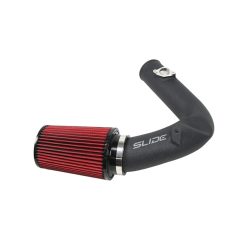
Net price: 246 €
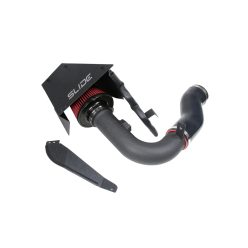
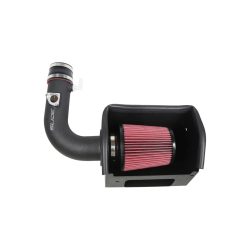
Net price: 297 €
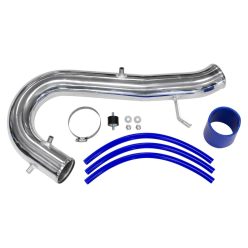
Net price: 86 €
Subaru Performance Intake Systems & Airboxes - Model-Specific Induction Solutions
A Subaru intake-side package, or fitment-led intake kit, works best when platform fitment, sensor location and engine-bay heat exposure are considered together. The right choice is not only about pipe shape, but also about where the filter sits, how naturally the route follows the bay, and how much clearance remains for normal engine movement.
Technical background and system integration
The current range shows a WRX, STI and Impreza focus alongside Forester and BRZ applications, with some shared Toyota/Scion platform overlap. That matters because pipe length, sensor-housing position, filter placement and connection layout can differ noticeably even within the Subaru range.
With AEM, Mishimoto, PRORACING, SIMOTA and SLIDE options in the same category, thermal management matters just as much as basic compatibility. A more open cold-air layout, a carbon-housed solution or a more direct pipe route can each behave differently in the engine bay.
- Routing: Pipe sections and couplers work more cleanly when the final assembly is not left under preload.
- Sensor ports: MAF or other factory sensor location, sealing and orientation should always be checked against the product card.
- Filter position: Filter placement and separation from under-bonnet heat work together to shape the operating environment.
- Kit contents: Exact package contents vary by application, so confirm pipework, filter, elbows, clamps and mounting parts individually.
How to choose the right one
Quick selection guide: start from the exact Subaru model, then confirm year, engine, body version and whether the system is intended for WRX, STI, Impreza, Forester or BRZ fitment. On shared-platform BRZ/GT86/FR-S entries, make sure the product card explicitly lists your own application before deciding.
For the final choice, engine code and model year should come first, followed by factory sensor positions, breather or vacuum take-offs, and how naturally the pipe route fits your own engine bay. This is especially important on Subaru turbo and non-turbo applications, where surrounding hardware and heat exposure can differ.
Because this page has no smaller subcategories, the product card becomes the main decision tool for checking exact application coverage, included hardware and fitment notes. When two similar systems look close at first glance, the part number and compatibility list are usually more useful than the short title or the first product image.
The parent-category logic is still useful for comparison, but the final Subaru match should always be confirmed on the individual product card.
Installation and failure-prevention tips
Dry test-fit: loosely assemble the full system before final tightening so you can check natural bend position, clamp access and sensor-connector routing. Degrease using a manufacturer-recommended cleaner, then allow to dry completely before applying load/boost.
Common issue: the pipe is left under slight preload, the sensor housing ends up slightly rotated, or the clamp does not sit parallel on the bead; this is best reduced by dry assembly, relaxed alignment and progressive tightening around the full joint.
Post-install check: after the first few heat cycles, inspect clamps, pipe-to-body clearance, filter support and electrical connectors again. The installation usually stays tidier when the pipe is not resting on a sharp edge, the filter is protected from direct splash and the wiring is not pulled tight.
PRO TIP: on Subaru applications, the best choice is often decided by sensor layout, connection logic and engine-bay space rather than by whether the product simply looks like an open intake, a carbon airbox or a cold-air design.
Frequently asked questions
Which Subaru models appear most often here?
The category commonly includes WRX, STI, Impreza, Forester and BRZ-based systems. Final confirmation should always come from the exact application list on the product card.
What is the difference between a more open intake system and a carbon airbox-style solution?
A more open system usually follows a more direct pipe route and filter position, while a carbon airbox-style solution gives the filter a more enclosed environment. The better option depends on heat exposure, available space and the way the car is used.
What should I check first after installation?
Work through this order: full pipe seating, clamp centring, sensor seal condition, presence of every secondary connection, then clearance for engine movement. After that, confirm that the pipe, filter or housing is not touching nearby parts.
Does a Subaru intake system always need ECU tuning?
That depends on the engine-management strategy and on how much the intake-side environment changes. Many systems are intended to work with factory sensor arrangements, but on modified cars it is sensible to verify behaviour with measurement rather than assumption.
What maintenance should I keep in mind?
Check filter condition, clamp tension, rubber components and joint cleanliness at service intervals. After wet or dusty use, it is especially useful to inspect the filter area and nearby joints for contamination or movement.
Narrow the range by exact model, engine and year, then choose the Subaru intake system or airbox whose product card best matches your engine-bay layout and connection points.
