
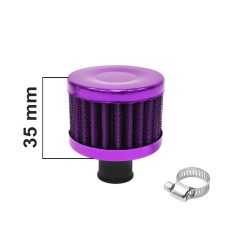
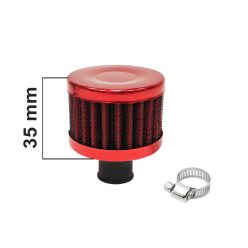
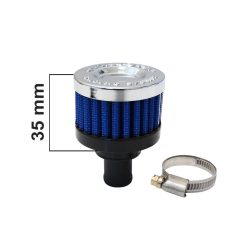
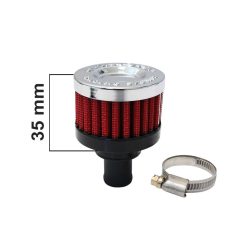
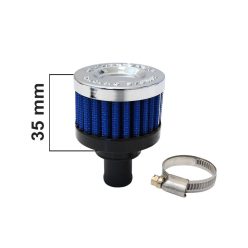
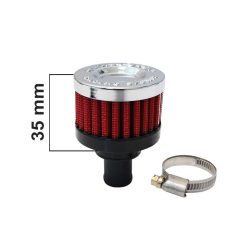
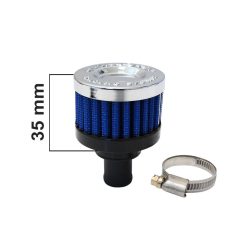
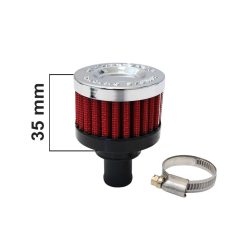
A straight motorcycle air filter (straight breather filter) is a compact vent filter with a straight neck, typically chosen for crankcase or auxiliary vent lines when you need a direct, low-complication fit on the motorcycle.
To choose the right option, focus on the neck size, overall filter body dimensions and the room available around the mounting point; this page includes multiple options from brands such as MTUNING and SIMOTA.
Before ordering, measure the hose or spigot carefully and check clearance around fairings, frame parts and nearby lines so the filter does not sit under stress. Verify exact dimensions and specifications on the product card; in-stock items dispatch fast within the EU. Use filters for brand and stock status, then open the product card to confirm the exact fitment data.
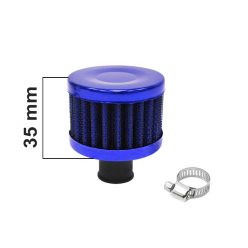
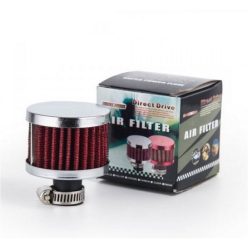
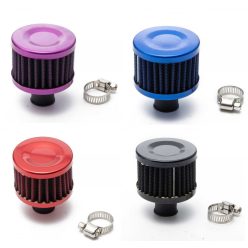
Net price: 3 €
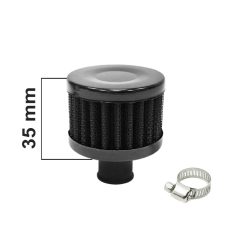
Straight Motorcycle Air Filters – Compact Vent Filtration and Cleaner Packaging
Straight-neck vent filters sit in the same family of straight breather filter components used where a direct hose connection suits the bike better than a 45° or 90° layout. On motorcycle applications, they are usually chosen when the vent line can run naturally in a straight direction and the filter can sit without twisting the hose.
System protection matters here because these filters give the vent outlet a tidier termination while helping reduce the chance of oily vapour and debris settling straight onto surrounding parts. This is not the main intake panel-filter category; it is the compact add-on type typically used on crankcase or auxiliary vent points.
Technical background and system integration
Filtration role is usually linked to crankcase-breather or other vent-line ends, where compact packaging and a stable neck fit are more important than large intake surface area. A straight layout can simplify routing because the hose does not need an immediate direction change right at the filter neck.
Individual products can differ in neck diameter, outer dimensions, filter media construction and body shape, so the final decision should come from the product card rather than from appearance alone. The current range visibly includes MTUNING and SIMOTA options, with common neck sizes around 12, 15, 18 and 20 mm.
- Size: match the filter to the hose or spigot outer diameter, not by visual estimate.
- Layout: a straight neck works best when the hose already points in the required direction and does not need an immediate bend.
- Brand: confirm the manufacturer, stock status and exact item-level data on the product card.
How to choose the right one
Quick measurement starts with the spigot outer diameter, then moves to the available space for the filter body length and outer diameter. Good fitment is not only about getting the neck onto the spigot, but also about keeping enough room from the frame, fairing, adjacent hoses and hot components.
If you are still deciding between straight, 45° and 90° neck layouts, review the Motorcycle Air Filters category first, then return to this list for the direct-fit options.
As this is a product-list page, use the filters and product cards to make the decision: sort by stock status or price, then open the chosen item and verify neck size, overall outer dimensions, brand and availability. The right choice is the one that matches both size and packaging space together, not only one of them.
Installation and failure-prevention tips
Clean contact helps the filter neck sit more consistently on the spigot and may reduce the chance of the part rotating or loosening with vibration. Before fitting, check that the hose or spigot edge is not split, hardened or distorted, and confirm the filter body will not touch nearby parts through normal engine movement.
For the wider model range, review the Motorcycle Air Filters page as well if available clearance shows that an angled neck layout would suit the bike better.
Where the filter is fitted to a rubber hose or another air/vent connection, degrease using a manufacturer-recommended cleaner, then allow to dry completely before applying load/boost. This matters especially when the surface has previously seen oil mist or residue.
Common mistake is choosing a size that is close but not exact: the filter then sits slightly skewed, the area around the connection may become misty, or the body can touch nearby parts and slowly rotate out of position. Accurate measurement, a clean surface and a stress-free installed angle help prevent that.
After the first full heat cycle, inspect the connection again and confirm that clearance remains acceptable once vibration and thermal movement are taken into account. If the filter ends up too close to a panel, line or bracket, changing neck layout is usually a cleaner solution than forcing the part to sit differently.
PRO TIP: On a tightly packaged motorcycle, neck size alone is not enough; check the filter body outer diameter and total length as well, because that decides whether a straight layout truly fits.
FAQ
What is a straight motorcycle air filter used for on this page?
It is typically fitted to a crankcase-breather or other vent line where a compact, direct connection is needed. It does not replace the motorcycle’s main intake panel filter; it serves as an auxiliary vent-end component.
What is the difference between straight, 45° and 90° layouts?
The main difference is packaging direction and clearance. A straight version suits a hose that already runs in the correct line, while angled versions can help when the available space forces an immediate change of direction.
What is the most common installation mistake?
Use a simple inspection order: re-measure the spigot, check how fully the neck seats, inspect the hose end for splitting, then review clearance once the engine is warm. Finally, look for any sign that the filter has shifted position after initial running.
How do I know the size is correct?
With the correct size, the filter neck seats positively without wobble and without needing excessive force. There should also be enough surrounding space so the body does not contact nearby parts during vibration or heat movement.
What should I check after first start-up?
Inspect the area around the connection, the filter’s installed angle and the distance to neighbouring parts. After a short run, confirm the filter has not rotated and that the surrounding area still looks dry and orderly.
