
The Steering category covers solid-axle 4x4 components. Precisely sized drag links, durable tie-rod ends and reinforced steering damper mounts reduce play and shimmy while improving control. Common applications include Nissan Patrol Y60/Y61, where lifts and larger tyres load the system more heavily.
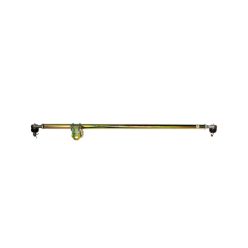
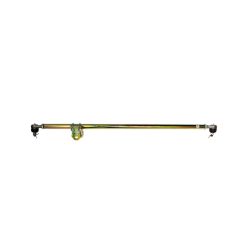
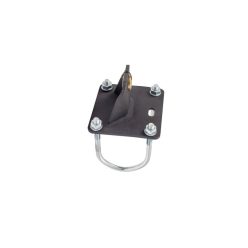
Net price: 95 €
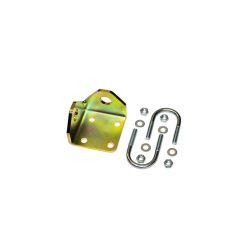
Net price: 51 €
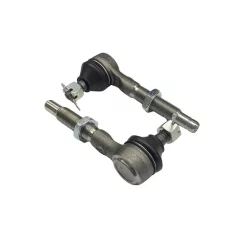
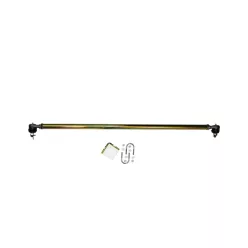
Brief summary and key benefits
The Steering system translates driver input into precise wheel angle with minimal delay. In off-road use, larger tyres, added weight and suspension lifts stress the drag link, tie rod, ball joints and the steering damper. Heavy-duty rods and serviceable joints reduce play, calm shimmy and keep the vehicle tracking straight. Our focus is solid-axle 4x4s—popularly Nissan Patrol Y60/Y61—where geometry changes and higher loads quickly expose weak points.
Technical Basics
Core parts include the steering box (recirculating ball), pitman arm, drag link, tie rod and ball-joint ends. Lifts alter rod angles and steering geometry (Ackermann and bump-steer sensitivity). Worn joints or incorrect angles trigger steering shake. Heavy-wall steel tubing, forged ends and greaseable joints extend life; a steering damper smooths kickback but is not a cure for worn components. Vehicle-specific tapers, thread types and pitman-arm geometry must be matched precisely. On Y60/Y61, increased joint articulation from larger tyres makes boot integrity and joint angle range critical. Typical pitfalls include over/under-torqued fasteners, mis-set toe, and drag-link/Panhard angle mismatch causing bump steer.
Selection Criteria
Use & load: road touring, towing or harsh off-road? For daily use choose quieter, long-service bushings and OE-style ends; for harsh terrain prioritise larger stud diameters, hardened tapers and stout rod sections.
Sizing: lift height and tyre diameter dictate required joint articulation and rod stiffness. Drag-link length sets steering-wheel centre; the tie rod sets toe—incorrect toe rapidly saw-tooths tyres. Consider adjustable ends for fine tuning.
Materials & finish: high-strength steel tube/box with welded or forged ends, quality powder coat or zinc. Grease-zerk joints are cost-effective long-term if serviced. Prefer proven brands such as IOD PERFORMANCE when available.
Add-ons: steering damper and mounts, adjustable rod ends and new hardware kits. For Y60/Y61, verify year/engine notes as taper sizes, threads or anti-roll-bar clearances may vary.
Installation & Maintenance
Work on clean tapers; tighten to the specified torque and secure with the correct locknut. Set rods at ride height: the drag link recentres the wheel, the tie rod sets toe. Perform a test drive, then re-torque and visually inspect after 100–200 km. Grease serviceable ends periodically; check boots, rod straightness and mount cracks. Inspect steering damper hardware after rocky trails. Troubleshooting order: tyres and balance, bushings, then links. If the wheel does not self-centre, check friction points and toe; inadequate caster or a skewed axle can also be the cause.
FAQ
What causes shimmy?
Usually worn ball joints, loose fasteners, poor wheel balance or drag-link/Panhard angle mismatch.
Is alignment required after replacing rods?
Yes. Set toe via the tie rod and re-centre the wheel with the drag link.
Will a steering damper fix vibration?
It reduces kickback but does not replace worn parts—address the root cause first.
What routine service is needed?
Periodic greasing (where applicable), boot checks, fastener inspections and post-trail re-torque.
Why does a lift change steering feel?
It alters rod angles and geometry; align the vehicle and keep Panhard and drag-link angles as parallel as possible.
