
In Stainless Steel Braided Rubber Fuel Hoses, you’ll find stainless-steel braided hoses with a rubber inner construction, typically built around AN plumbing. The range commonly includes ready-made -10AN hoses with hose-end fittings (for example 3–6 ft) and cut-to-length “Rubber SS with Steel Braid” options (for example AN-6 8.5 mm, AN-8 11 mm, AN-10 14 mm) – always confirm the exact specs on the product card. To browse the full line range, go back to Fuel Hoses. As this is a LEAF page, filter by brand/size, sort the list, then open the product page to check length, inner diameter and fuel compatibility. Choose the hose that fits your build and check out.
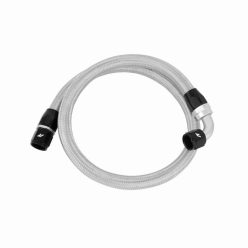
Net price: 64 €
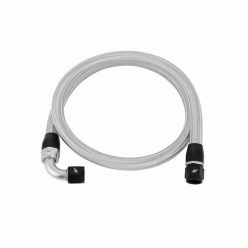
Net price: 73 €
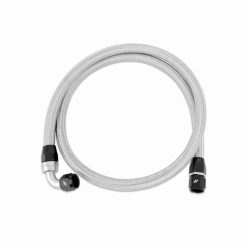
Net price: 83 €
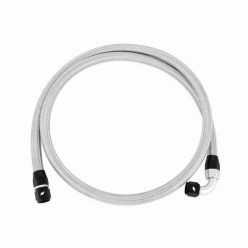
Net price: 93 €
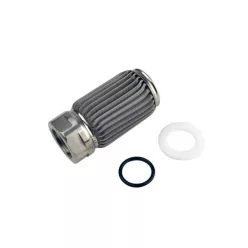
Net price: 82 €
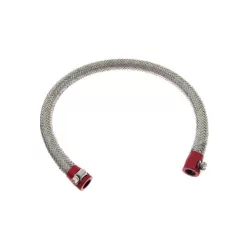
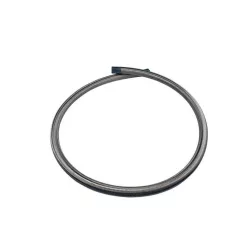
Net price: 78 €
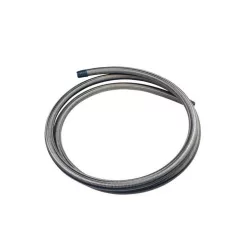
Net price: 148 €
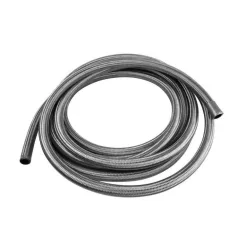
Net price: 360 €
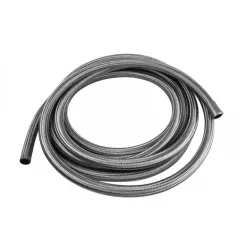
Net price: 119 €
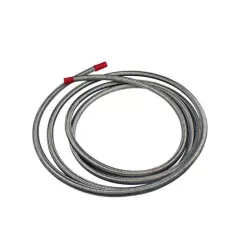
Net price: 175 €
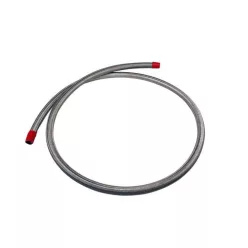
Net price: 66 €
Stainless Steel Braided Rubber Fuel Hoses – AN-ready hoses for durable routing and easier servicing
Stainless Steel Braided Rubber Fuel Hoses are a practical choice when you’re building a custom fuel line and want a flexible hose with added mechanical protection. The stainless braid mainly improves abrasion resistance and helps keep installations tidy in performance, track and tuning environments.
You’ll typically see a mix of formats: ready-made -10AN hoses with hose-end fittings in fixed lengths (such as 3–6 ft), and cut-to-length “Rubber SS with Steel Braid” hose in common sizes like AN-6, AN-8 and AN-10. Some listings in the same category can be related accessories (for example line stays or filter elements), so always confirm whether you’re adding a hose, an assembly, or a supporting part.
Technical Basics
AN sizing is a strong starting point, but real fitment depends on stated inner diameter and the exact hose-end type. It’s common to see labels like 8.5 mm (AN-6), 11 mm (AN-8) and 14 mm (AN-10), but the product-page spec should be your final reference.
The stainless braid protects the hose, while sealing comes from correctly assembled AN fittings. A clean cut, controlled braid handling and respecting bend radius reduce the risk of internal kinks that can create pressure drop and unstable delivery.
Important: fuel compatibility (petrol, additives, E85) can vary by liner material, so only use ethanol if the product page clearly states suitability. If you cannot confirm compatibility, consider a PTFE (Teflon) hose solution and match fittings accordingly.
Selection Criteria
Start with system role and required flow (feed, return, vent, gauge take-off), then choose the needed inner diameter. Many builds use AN-6 for smaller branches, while feed lines often move to AN-8 or AN-10, but your regulator, pump demand and routing should decide.
Next, pick the format: a ready-made -10AN hose is fast and reduces assembly mistakes, while cut-to-length hose is ideal for bespoke routing. In tight engine bays, the right hose ends (straight/45°/90°) can make the difference between a clean route and a stressed fitting.
Finally, plan protection and support: heat sources, sharp edges and movement can damage braid over time, so proper mounting and spacing matter. Useful related terms you may see include fuel hose, braided fuel line, steel braided rubber hose, AN hose, hose-end fittings.
Installation & Maintenance
During installation, respect minimum bend radius and keep braided hose away from sharp edges, moving parts and exhaust heat. Larger sizes such as AN-10 can be stiffer, so secure routing and strain relief at fittings become even more important.
After assembly, perform leak checks and re-check after a heat cycle, as small leaks can appear once components expand. If line separators (line stays) are part of your setup, they help control vibration and keep parallel lines from rubbing.
Safety: fuel system work is a fire risk; depressurise, ventilate and only run the system once everything is fully leak-free. Replace any hose that shows weeping, cracking or braid damage, as issues can escalate quickly.
FAQ
Steel-braided rubber vs PTFE fuel hose: which should I choose?
Steel-braided rubber hose is often more flexible and easy to route, but chemical compatibility can depend on the liner. PTFE hoses generally offer stronger chemical resistance and are commonly preferred for E85 use. Always follow the product-page compatibility notes for your fuel.
Which size should I use: AN-6, AN-8 or AN-10?
Choose based on required flow and the role of the line (feed vs return). Confirm inner diameter and fitting compatibility, and avoid stacked reducers that add restriction. If you see pressure drop under load, review hose size, filters and inlet restrictions together.
What are the -10AN pre-made hoses (3–6 ft) best for?
They’re useful when a standard length fits your layout and you want quick, consistent assembly with -10AN hose ends already installed. They can suit fuel or oil-related routing where service access matters. Measure your route first so the hose isn’t pulled tight or forced into sharp bends.
Why do bend radius and mounting matter on braided hoses?
Tight bends can kink the hose and reduce flow, while poor support can stress fittings and cause loosening over time. Proper mounting reduces vibration and prevents chafing. This is especially important in the engine bay where heat and movement are constant.
How do I confirm ethanol (E85) compatibility?
Rely on the product page and manufacturer notes stating E85 suitability. If it’s not explicitly stated, don’t assume it’s compatible—choose a confirmed ethanol-rated hose solution. After installation, pressure-test and inspect fittings for seepage.
Filter by size and length, verify fuel compatibility on the product page, and order the stainless steel braided rubber fuel hose that matches your build.
