
Complete nitrous kits (complete NOS systems) are pre-configured packages that bring the bottle, valve, feed line, switching hardware and, depending on layout, a nozzle or direct-port distribution together. That makes it easier to start with a system-minded package instead of piecing every item together individually.
Choose by engine type, activation style and layout: dry or wet, single-nozzle or direct-port, plus bottle size such as 10lb or 15lb. Verify exact dimensions and specifications on the product card; in-stock items dispatch fast within the EU.
Clean connections, secure bottle mounting and a sensible activation sequence matter before first use. Use the filters for brand, system style and price, then open the product card to confirm what is actually included in the kit.
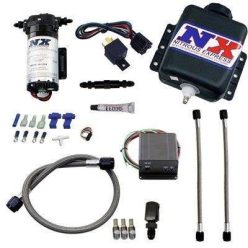
Net price: 762 €
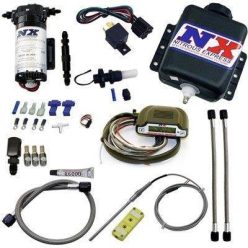
Net price: 1 065 €
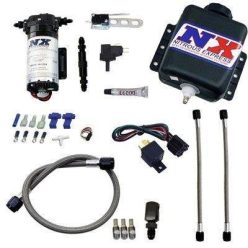
Net price: 460 €
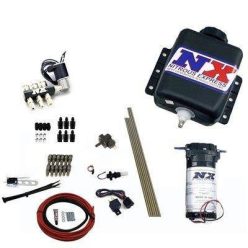
Net price: 1 117 €
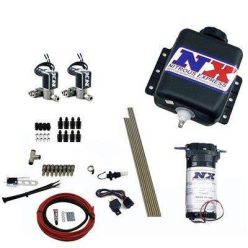
Net price: 1 312 €

Net price: 1 220 €

Net price: 1 349 €

Net price: 1 038 €

Net price: 1 664 €

Net price: 1 157 €
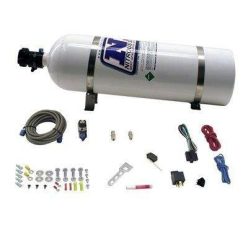
Net price: 1 299 €
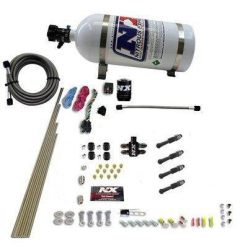
Net price: 1 443 €
Complete Nitrous Kits: Layout, Fitment and System Logic
Pre-configured nitrous packages in this category are chosen as complete systems rather than as isolated parts. You may see single-nozzle, direct-port, dry, wet, diesel-oriented and water/meth style kits here, so the real decision is which layout matches the engine, intake arrangement and intended use of the car.
Technical background and system integration
System approach: A complete kit makes sense because bottle, valve, feed line, solenoids, nozzle hardware and switching components are intended to work in one chain. That helps you plan the installation and makes later inspection easier.
Delivery layout: A dry kit usually handles the nitrous side differently from a wet kit, while direct-port distribution follows a different plumbing and packaging logic from a single-nozzle arrangement. The right choice is less about one label and more about how the engine accepts the package.
Engine compatibility: Electronic fuel injection, diesel stacker arrangements and water/meth assisted packages do not ask the same questions during fitment. Intake path, throttle-body layout, available mounting space and the activation method all affect which kit makes sense.
- Bottle size: 10lb and 15lb style packages can ask for different installation space and mounting planning.
- Activation: WOT, boost-based or progressive control does not use the same wiring and checking sequence.
- Feed-line routing: line path, heat exposure and protection are part of long-term serviceability.
- Service access: it helps if the bottle, valve and main joints remain reachable for later inspection.
How to choose the right one
Quick selection guide: First decide whether you need single-nozzle or direct-port distribution, then narrow by petrol EFI, diesel or water/meth application. After that, compare bottle size, included switches, relay hardware, lines and activation style on the product card.
Fitment check: Always compare the actual kit contents with the intake layout, nozzle position, line length and the space available for safe bottle mounting. This is where a package that looks similar on paper can separate from one that installs cleanly.
In this category the fastest route to a sound decision is to compare the product-card contents, activation method and packaging space before you compare price alone.
Installation and failure-prevention tips
Installation order: Start by planning bottle location, bracket orientation and a protected feed-line route, then place solenoids, nozzles and switching hardware around that plan. This usually reduces rework and helps keep the plumbing cleaner.
Common cause: Many problems start not with the headline components, but with unsupported line runs, skewed sealing seats or a rushed activation circuit. If the system shows pressure loss, inconsistent delivery or irregular switching, inspect those points first before chasing more complicated causes.
Surface prep: Clean mating surfaces matter at the nozzle, solenoid and every sealed connection. Degrease using a manufacturer-recommended cleaner, then allow to dry completely before applying load/boost. Avoid solvent or petroleum-based products that may upset seals or coatings.
Pre-flight check: Before first activation, inspect bottle mounting, feed-line distance from heat sources, wire protection, switch function and whether the main service points remain accessible for later checks.
PRO TIP: When two kits look close on paper, choose by installation quality first: the cleaner bottle position, calmer line route and more suitable distribution layout often make the better long-term package.
FAQ
Should I choose a dry or wet nitrous kit?
The better option depends on how the fuel side and intake side are set up, and how you want the package to manage delivery as a system. For road, track-day or project-car use, the product-card contents and the engine’s current layout usually tell you more than the label alone.
Is a single-nozzle kit or a direct-port kit the better choice?
A single-nozzle layout can start with simpler plumbing, while a direct-port package asks for a more involved installation and different packaging space. Let access, intake design and serviceability decide which layout is the cleaner fit for the engine.
Which bottle size should I start with?
The choice between common bottle sizes is usually driven by available space, expected session length and how you plan to mount the bottle securely. A larger bottle may change not only storage space, but also the mounting strategy and line route.
What is the most common failure or installation mistake?
Start with bracket direction and tightness, then trace the feed line away from heat sources. Next check solenoid and nozzle placement, sealing-seat alignment, switch sequence and whether the installed parts still match the product-card contents.
What should I inspect before the first tests?
Check the mechanical mounting, line and wire routing, switch operation and any point that may rub or sit too close to heat. Run first checks in small steps and re-inspect every accessible joint after each change.
