
Oil-resistant & crankcase breather hoses (oil-resistant breather hose) are used for PCV, crankcase ventilation and catch can plumbing where oily vapour and condensation make material choice more critical than a standard intake coupler.
Select by inside diameter (ID), routing and kink-free runs so the line doesn’t pinch or create an oil trap; clamp style and access for re-checks matter in tight bays.
Filter by size and use-case, then confirm details on the product card; clean mating surfaces and secure clamping do most of the sealing work. Verify exact dimensions and specifications on the product card; in-stock items dispatch fast within the EU.
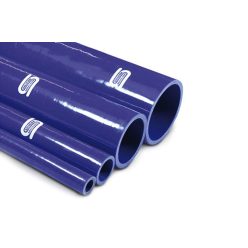
Net price: 45 €
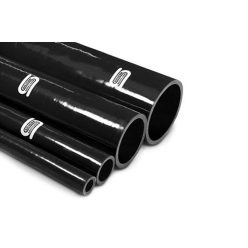
Net price: 50 €
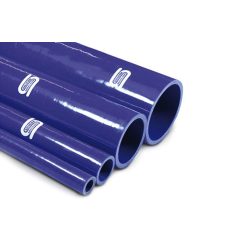
Net price: 54 €
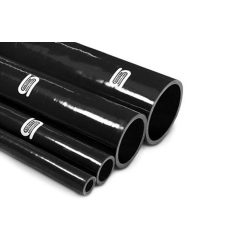
Net price: 62 €

Net price: 72 €
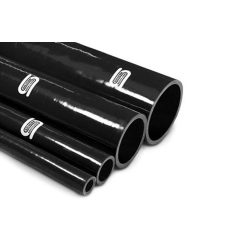
Net price: 80 €
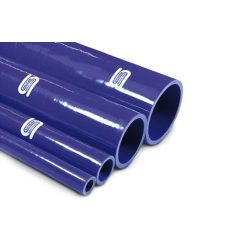
Net price: 86 €
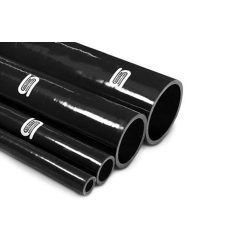
Net price: 93 €

Net price: 101 €
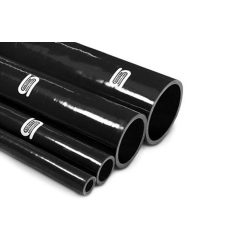
Net price: 109 €

Net price: 115 €

Net price: 125 €
Oil-Resistant & Crankcase Breather Hoses – For PCV, Catch Can and Oily Vapour Routing
This category covers oil-resistant breather hose options (oil-resistant breather hose) for crankcase ventilation, PCV plumbing and catch can connections where vapour, condensate and heat cycles can challenge a normal hose choice.
When sized and routed well, these hoses add stress relief between moving components and help protect fittings and separators, while final sealing depends on fit, surface prep and the right clamp strategy.
Technical background: PCV flow, vapour and condensation
Crankcase systems often see oily vapour and moisture, so media compatibility and construction (wall thickness, reinforcement) can be as important as diameter when you want stable joints over time.
Poor routing can create low spots that collect oil, which may affect PCV behaviour; consider drain-friendly routing and avoid unnecessary loops where possible.
- Size: Match hose ID to the spigot OD and leave enough space for the clamp you intend to use.
- Spigots: A beaded end can help retention, but clamp choice and placement still matter.
- Reinforcement: Some versions use fabric reinforcement to improve shape stability through bends.
How to choose the right one
Quick selection guide: Measure spigot outside diameter, pick the required ID (common inch sizes with mm equivalents where helpful), decide on the shortest practical route, then confirm material notes and use-case guidance on the product card.
For general silicone shapes, joiners and related install accessories, use the Silicone hoses and accessories main category.
- Application: PCV, breather and catch can lines may see vapour and condensate—choose accordingly from the product details.
- Routing: Keep bends gentle to reduce collapse risk and maintain consistent flow.
- Access: Ensure clamps remain reachable for inspection after heat cycles.
- Clamps: A smooth, adequately wide band often treats hose surfaces more gently.
Installation and failure-prevention tips
Prep: Make square cuts, deburr sharp spigot edges, and dry-fit to confirm full seating and that the hose isn’t preloaded or twisted at the joint.
degrease using a manufacturer-recommended cleaner, then allow to dry completely before applying load/boost, and avoid petroleum-based sprays or aggressive solvents (such as brake cleaner) as they can reduce friction and alter sealing behaviour.
Common failure: Using a hose not intended for oily vapour can lead to softening or “sweating” over time, causing weeping under the clamp and unstable sealing; prevent this by confirming oil-vapour suitability on the product card, keeping routing kink-free, and re-checking clamp tension after heat cycling.
If you also need matching hoses, joiners or clamps for the rest of the bay, the Silicone hoses and accessories section helps you bundle the related parts.
PRO TIP: On PCV/catch can setups, prioritise short, serviceable runs—easy inspection beats a perfectly hidden line you can’t re-check.
FAQ
What are oil-resistant & crankcase breather hoses used for?
They are used for PCV and crankcase ventilation routing, plus catch can and separator connections where oily vapour and condensate are present. Always verify the intended use and material notes on the product card.
How do I confirm the correct ID (inch/mm)?
Measure the spigot outside diameter and match it to the hose ID stated on the product card. Consider wall thickness and clamp space, especially in tight engine bays where clamp choice is limited.
How is this different from a normal silicone intake hose?
Breather/PCV lines can see oily vapour and moisture, so compatibility and construction are often the deciding factors rather than shape alone. Use the product card guidance to ensure the hose is appropriate for your media and layout.
If I see oil residue at a joint, what should I check first?
Confirm the hose is fully seated, the cut is square, and the clamp is positioned on a proper sealing area rather than on an edge. Inspect the route for kinks and low spots that can collect oil, and check PCV/catch can components for restrictions. After initial heat cycling, inspect again.
Should I use sealant on breather hose connections?
Correct sizing, clean surfaces and the right clamp usually solve sealing more reliably than adding extra materials. If a sealant is considered, follow only manufacturer guidance and the product card notes for your specific hose and fittings.
