
The Audi performance intake system (complete intake kit) category brings together model-specific intake packages where the pipework, filter or housing and connection points are arranged for a given Audi platform.
You will find options from AEM, K&N, SIMOTA and SLIDE here, so the best choice depends on fitment data, sensor locations and how naturally the system sits in the engine bay.
Before ordering, check pipe routing, clamp access and clearance around nearby parts so the assembly can sit without stress. Verify exact dimensions and specifications on the product card; in-stock items dispatch fast within the EU.
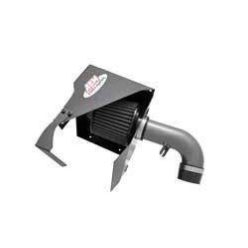
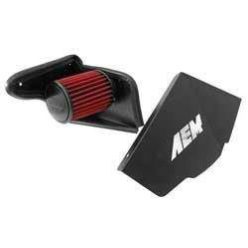
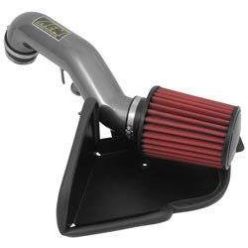
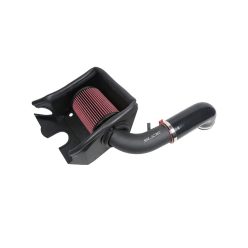
Net price: 194 €
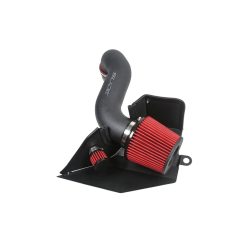
Net price: 239 €
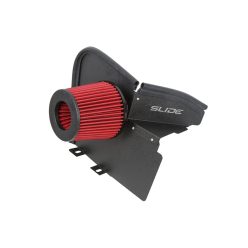
Net price: 261 €
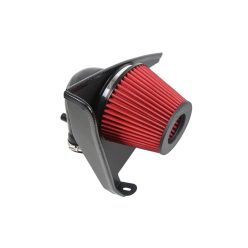
Net price: 261 €
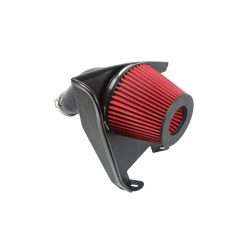
Net price: 261 €
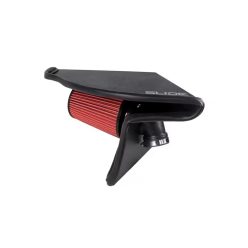
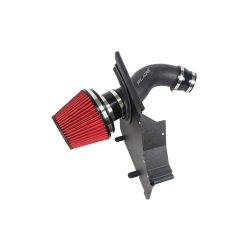
Net price: 261 €
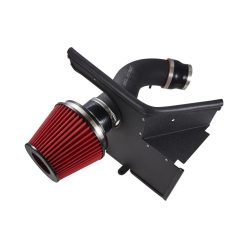
Net price: 261 €
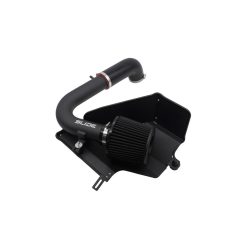
Net price: 239 €
Audi Performance Intake Systems & Airboxes – Platform-Matched Intake Packaging
Audi intake kits and airboxes belong to the same intake-side package family covered by the performance intake system term. The point here is not choosing a tube on its own, but finding a package where pipe route, filter position, mounting points and joining details work together for a specific Audi engine-bay layout.
A strong choice is not only about appearance; it can also support cleaner packaging when connection points, sensor positions and nearby component clearances line up properly. The current range includes AEM, K&N, SIMOTA and SLIDE solutions, so the product card and the visible layout should guide the decision together.
Technical background and system layout
Pipe-routing logic is central in this category. An Audi intake or airbox tends to install more cleanly when the pipe follows a natural curve, clamps remain accessible and the filter or housing does not sit too close to trim, wiring or warmer surrounding parts.
Sensor locations and auxiliary connections matter just as much, because one benefit of a platform-matched system is that these details can be integrated more neatly. That usually makes both installation and later inspection more straightforward, especially in tighter Audi engine bays.
- Platform: check the exact Audi model, engine version and model-year range, not the marque alone.
- Layout: make sure the whole pipe sweep and the filter or housing area can sit comfortably, not only the joining point.
- Design: decide whether a more open intake or a tidier airbox-style package suits the build better.
How to choose the right one
Quick selection guide starts with matching the exact Audi platform, engine variant and the application details shown on the product card. Similar engine bays or related model families do not automatically mean identical routing or sensor-port layout.
There is no subcategory under this page, so the dependable route is to compare the product card, the visible hardware layout and the compatibility notes together. When two Audi applications look close on paper, the pipe path and sensor-port logic usually separate the right option faster than the model name alone.
Product-card checking should cover system type, brand, engine-bay layout and whether the selected package leans toward a more open intake or an airbox-style solution. That reduces the chance of choosing something that looks compatible on paper but is harder to package cleanly in your bay.
Installation and failure-prevention tips
Test fitting before final tightening can prevent a lot of unnecessary correction later. Check whether the pipe seats evenly at the joins, whether clamp access stays practical and whether any section is being pulled sideways into tension.
This marque page also sits well within the wider parent category if you want to compare the Audi-specific range against other complete intake-system and airbox layouts.
On air-side connections, clean surfaces help achieve a more even seated fit. Degrease using a manufacturer-recommended cleaner, then allow to dry completely before applying load/boost. This is especially useful if the surrounding area has previously seen oil mist or fine dust.
Common mistake is assuming a system is enough just because it appears compatible, without checking full pipe sweep, sensor-port placement and the space around the filter area in advance. In that case the join may go on, yet the pipe can remain under stress, the clamp can end up at an awkward angle, or the system can sit too close to a cover, cable or warm component.
Post-fit inspection should happen after the first full heat cycle: review clamp position, joint seating, the distance to nearby lines and whether the assembly has shifted once vibration and thermal movement have been introduced.
PRO TIP: On Audi applications, confirm compatibility and pipe-route images first, then narrow the choice by price or brand.
FAQ
What is this Audi category for?
This page groups complete intake systems and airbox solutions intended for Audi applications in one place. The focus is on real fitment, engine-bay layout and the compatibility details shown on the product card.
How is an airbox-style package different from an open intake kit?
An airbox-style package usually aims for a tidier, more shielded placement, while an open intake may require a different engine-bay position. The better direction depends on which layout suits the Audi platform more naturally.
What inspection order should I use if the installed result does not look quite right?
Start with joint seating, then review sensor and auxiliary-line position, followed by clamp access and the gap to surrounding parts. Finish with a warm inspection to confirm the assembly still sits in a calm, stress-free position.
Is choosing by Audi name alone enough?
It is better not to rely on the brand name alone. Exact model, engine version, model-year range and the compatibility notes on the product card together provide a safer basis.
What should I check after first use?
Inspect the clamps, pipe joins, the area around sensors and the gaps to nearby covers or lines. That helps you spot an overly tight point early and correct it before access becomes more awkward.
