
Skid plates protect vulnerable components on and off road. Heavy-duty underbody guards, fuel-tank shields and diff/transmission plates spread impact loads and safeguard the radiator, tank, propshaft and fittings. Accurate hole patterns, high-strength steel or aluminium, and corrosion-resistant finishes enable quick installation, quiet operation and long service life.
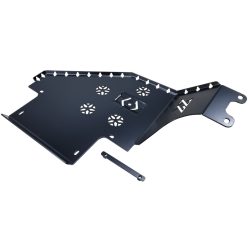
Net price: 174 €
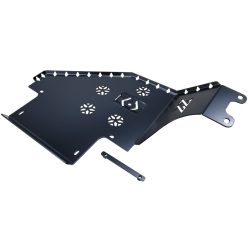
Net price: 174 €
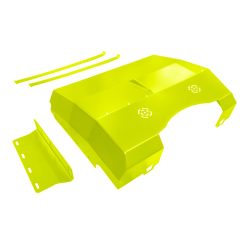
Net price: 369 €
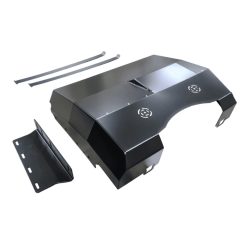
Net price: 369 €
Brief summary and key benefits
Skid plates distribute local impacts across a larger area, protecting critical parts from punctures and deformation. Well-designed underbody guards and fuel-tank shields lower failure risk, keep fluids inside and maintain vehicle mobility. Accurate hole patterns, OE pick-up points and drainage slots speed up installation and prevent mud traps. For solid-axle 4x4s, this creates a durable, quiet and serviceable protection package.
Technical Basics
Common materials are high-strength steel (3–6 mm) and aluminium (4–8 mm). Steel resists repeated hard hits and dents less; aluminium saves weight and resists corrosion. Stiffness comes from pressed ribs, returns and closed edges. Use wide washers/spacers and, where possible, OE threaded inserts; choose 10.9/12.9 fasteners for critical joints. Coatings include powder coat or zinc. Rubber isolators and glide pads help prevent drumming or squeaks against the body.
Fitment notes: plates are vehicle-specific (cooler position, crossmembers, exhaust routing). For tank guards and transmission shields, confirm clearance to propshafts, the Panhard rod and anti-roll bars, and keep service access (drains, inspection covers). Typical pitfalls are under-thickness, too few mounting points, ignoring ventilation and hanging plates too low, which reduces ground clearance.
Selection Criteria
Use & mass: touring and mixed on-road use favour lighter aluminium; harsh off-road with rock strikes calls for thicker steel. Always consider added weight and any change in break-over angle.
Area to protect: front skid (cooler/core support), engine/transmission, fuel tank and rear diff. Start with the most vulnerable assemblies, then link sections so edges don’t snag.
Mounting points: OE holes are preferred. If drilling/welding is required, restore corrosion protection and apply the specified torque. Long plates benefit from intermediate braces or ribs.
Service & cooling: include drainage to flush mud and ensure airflow is not compromised around the engine and gearbox. On diesels, check oil-cooler and intercooler ducting.
Installation & Maintenance
Dry-fit all parts, mark contact areas and degrease. Tighten hardware in stages and cross-pattern to the correct torque. Protect adjacent hoses and wiring with edge trim or sleeves. After the first trail and at 100–200 km intervals, perform a re-torque check. Repair coating damage promptly; after winter salt or deep mud, wash out cavities. Periodically verify clearance to the exhaust so heat doesn’t damage coatings or nearby connectors.
FAQ
Steel or aluminium?
Steel is tougher against repeated hits; aluminium is lighter and corrosion-resistant. Choose based on terrain and weight goals.
Will ground clearance drop?
Slightly, but the smooth surface lets the vehicle slide over obstacles while protecting the driveline.
Does it increase running temperatures?
Not with proper venting and shrouds. Avoid blocking the cooler airflow.
Use threadlocker?
Yes—medium strength is advised due to vibration; regularly inspect fasteners.
DIY bending vs. ready-made?
Ready-made parts offer accurate hole patterns and formed ribs; DIY may lack precision and durability.
