
Silicone self-fusing tape (szilikon szalag) is a self-amalgamating wrap used to seal, protect and tidy hoses, looms and fittings when you want a secure wrap without adhesive.
Select by width, length, colour and intended use; confirm whether it’s a self-fusing roll or an accessory on the product card. Verify exact dimensions and specifications on the product card; in-stock items dispatch fast within the EU. Use filters, open the product page, then add the right option to your basket.
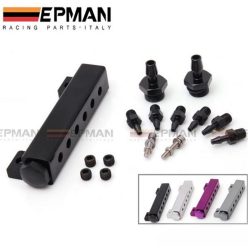
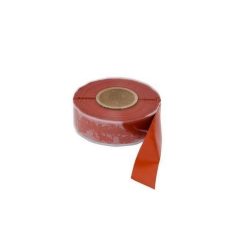
Net price: 9 €
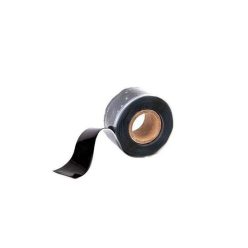
Net price: 11 €
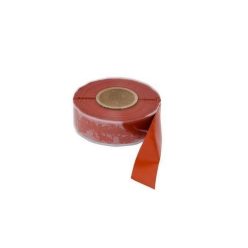
Net price: 11 €
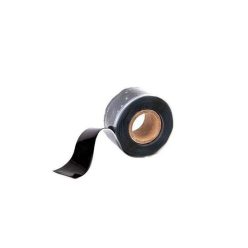
Net price: 13 €
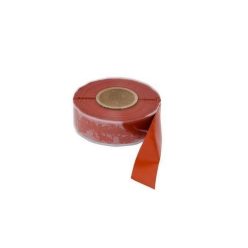
Net price: 16 €
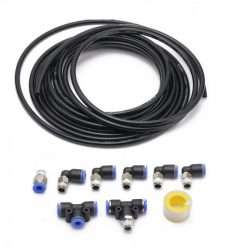
Net price: 16 €
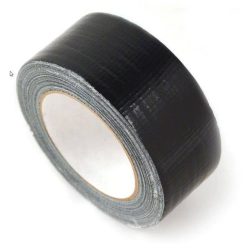
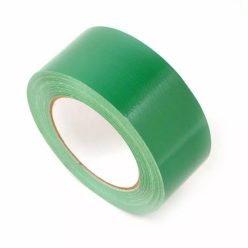
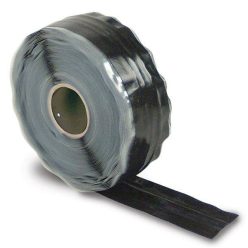
Net price: 54 €
Net price: 9 €
Net price: 9 €
Silicone Self-Fusing Tape & Accessories: sealing, protection, tidy installs
With self-amalgamating silicone repair tape (often called silicone self-fusing tape), the wrap bonds to itself rather than relying on adhesive, which helps maintain sealing integrity while allowing some movement from vibration and thermal expansion. In engine bays this can reduce chafe on hoses and looms, add a protective outer layer on fittings, and keep small assemblies organised. Accessories support cleaner cutting, finishing and repeatable installs.
Technical basics worth knowing
Not every “silicone tape” behaves the same: some rolls are truly self-fusing, others are related accessories intended for preparation or finishing. Because the bond forms within the tape layers, results depend heavily on consistent overlap, controlled stretch and a clean surface. If the base is oily, dusty or damp, the wrap can shift under load or heat cycling, so preparation matters more than brute force tightening.
- Substrate: smooth metal, rubber hose, braided sleeve or loom each wraps differently.
- Size: pick width/roll length for access and coverage; tighter spaces often favour narrower rolls.
- Environment: splash, heat and abrasion levels affect what’s appropriate; rely on the product card notes.
Quick selection guide
On a LEAF page, start by filtering for width and intended use, then open the product card to confirm type, finish and recommended applications. If your job also needs hoses, couplers or clamps to complete the assembly, browse the main range here: Silicone hoses and accessories.
Installation and maintenance
Wrap in smooth, even passes and build consistent overlap so the finish doesn’t “step” at the end. Degrease using a manufacturer-recommended cleaner, then allow to dry completely before applying load/boost. Avoid solvent or oil-based sprays (e.g. WD-40) that can leave a slippery film; after the first heat cycle, do a quick visual check for lifted edges or creeping at the tail.
A common cause of poor results is wrapping over contamination or moisture, or using uneven overlap and jerky tension, which can leave air paths at the edge and encourage the wrap to walk under vibration. A steady pull, clean base surface and a carefully finished tail improve stability.
If you’re unsure about prep or media compatibility, follow the guidance on the product card and the manufacturer’s instructions.
PRO TIP: Use a sharp blade for a clean cut and always smooth the tail firmly into the previous layer; this helps prevent edge lift over time.
FAQ
What is silicone self-fusing tape used for?
It’s commonly used to wrap and protect hoses, looms and fittings, and for quick sealing tasks where you want an adhesive-free wrap. Depending on the product, it can also work as a neat finishing layer to reduce chafe.
Why does the wrap slip or lift at the edges?
Check that the surface was clean and fully dry, the overlap was consistent, and the tail was properly finished into the previous layer. Also inspect for oil film, dust ingress or sharp edges that can start lifting.
Self-fusing tape vs adhesive electrical tape: which should I pick?
Self-fusing silicone tape is typically better when you want an adhesive-free wrap that bonds to itself and stays more stable around heat and grime. Adhesive tape is handy for light-duty bundling and marking but can soften or peel when contaminated.
Can I use it on coolant or fuel lines?
Decide only from the specific product’s recommended use, as media compatibility depends on the exact tape formulation. For critical sealing, treat tape as supplementary protection and use the correct system components for the final solution.
How do I remove it cleanly?
Carefully slit the outer layer and unwind in short sections; if it has bonded tightly, work layer-by-layer to avoid nicking the hose. Clean the surface afterwards per manufacturer guidance and inspect the hose jacket for damage.
