
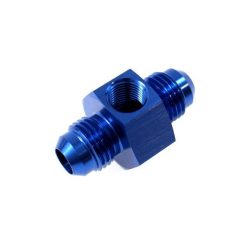
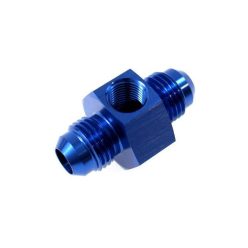
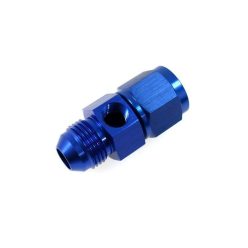
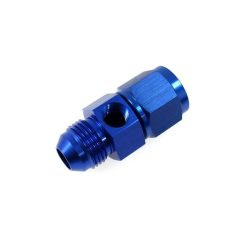
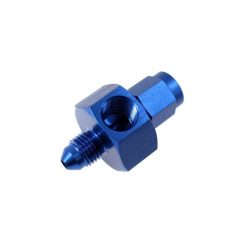
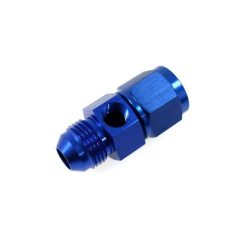
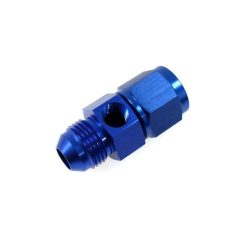
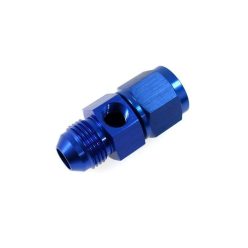
Sensor-Port AN Nipples and Adapters (1/8 NPT) is for adding a tidy 1/8 NPT sensor/gauge take-off to your AN plumbing without building a bulky tee stack. The range focuses on TURBOWORKS pieces and typically covers AN3–AN12 sizes, with some variants combining a main thread such as 1/4 NPT and a dedicated 1/8 NPT sensor port.
For other fitting families, go back to Fittings and Threaded Adapters. Use filters by Size, sort the list, then open a product card to confirm exact threads and the body style. Choose the compatible adapter and add it to your basket.
Net price: 4 €
Net price: 5 €
Net price: 13 €
Net price: 14 €
Net price: 10 €
Net price: 10 €
Net price: 13 €
Net price: 10 €
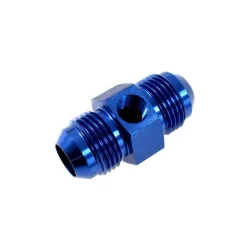
Net price: 6 €
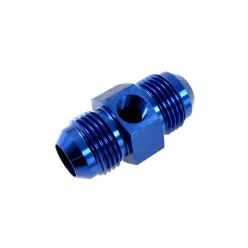
Net price: 7 €
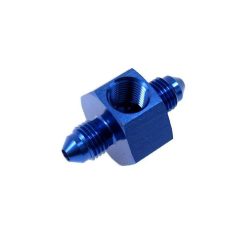
Net price: 4 €
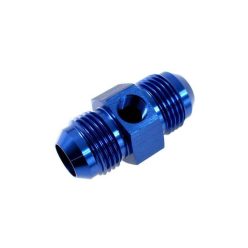
Net price: 4 €
Sensor-Port AN Nipples and Adapters (1/8 NPT) – add a clean instrumentation port to AN plumbing for easier testing and servicing
Sensor-Port AN Nipples and Adapters (1/8 NPT) is designed for situations where your main hose routing is already AN, but you need a proper 1/8 NPT port for a pressure sender, temperature sensor, or a gauge (instrumentation) connection. Instead of stacking multiple small adapters and a tee, a sensor-port nipple/adapter can provide a neater, more serviceable take-off point.
The parts in this group are typically TURBOWORKS items and cover common sizes from AN3 up to AN12. You may also see designs that combine a main thread such as 1/4 NPT with a dedicated 1/8 NPT sensor thread, depending on where the port needs to be introduced.
Technical Basics
On the AN side, sealing is usually made on a 37° flare seat rather than on the thread. That is why clean, undamaged seats matter more than adding thread sealant to AN threads. If an AN joint weeps, inspect the seat and confirm the size match first.
The 1/8 NPT sensor thread is tapered, so sealing is commonly achieved on the thread with an appropriate sealant as specified by the sensor manufacturer. One short warning: excessive sealant can migrate into the system or interfere with sensor installation, so apply it sparingly and correctly.
Body style matters: you will see nipple-style joiners (nipple) and adapter styles with different male/female ends. The goal is to keep your main line interface correct while providing a predictable 1/8 NPT access port for your sender or gauge take-off.
Selection Criteria
Start with location: do you need the sensor take-off near the regulator, the fuel rail, an oil feed line, or a service point that is easy to reach? The best location is the one that gives a stable reading and stays accessible for wiring, spanners and future servicing.
Next, match your main line size: options typically span AN3, AN4, AN6, AN8, AN10 and AN12. Keep the size consistent with the rest of the line so you do not introduce unnecessary restrictions just to accommodate a sensor port.
Finally, confirm the sensor side is truly 1/8 NPT. If your sensor uses a different standard (for example BSP variants exist in the market), it is safer to adapt standards properly with the right thread adapter than to force a near-match.
Installation & Maintenance
Clean threads and sealing faces, then start all threads by hand to avoid cross-threading. Protect the 37° flare seats on AN connections from nicks, because the seat is what seals the joint.
Install the 1/8 NPT sensor using the sensor maker’s sealing recommendation and ensure the harness does not side-load the sensor body. Leak-check under operating pressure and re-check after heat cycling, as small seeps often show only once the system is hot.
If you disconnect lines frequently (track servicing), keep the area around the sensor port clean and inspect periodically. A single, well-chosen sensor-port adapter is usually easier to service than multiple small joiners and a separate tee assembly.
FAQ
What is a sensor-port AN nipple used for?
It adds a dedicated 1/8 NPT port to an AN connection so you can install a pressure or temperature sender cleanly. This can replace a bulky tee stack and keep the layout service-friendly. Always match both the AN size and the sensor thread standard.
Do AN fittings need thread sealant?
Usually not, because AN connections typically seal on a 37° flare seat, not on the thread. If it leaks, check the sealing seat and compatibility first. Thread sealant is generally relevant on tapered threads such as 1/8 NPT.
How do I confirm my sensor is 1/8 NPT?
Check the sensor datasheet or manufacturer marking. Do not rely on “it looks similar”, because different standards can appear close but will not seal correctly. If it is not 1/8 NPT, use the correct thread adapter rather than forcing it.
Which AN size should I choose for the adapter?
Choose the size that matches your existing hose ends and fittings, typically within AN3–AN12. Keep the main line size consistent to avoid unnecessary restrictions. Place the port where you have access for tools and wiring.
Why does the sensor port weep after installation?
Common causes are incorrect thread standard, too much or too little sealant on the 1/8 NPT sensor thread, or contamination on sealing surfaces. Re-check the thread type and sealing method rather than simply tightening harder. A pressure test under real conditions usually reveals the source quickly.
Filter by size and body style, confirm the 1/8 NPT sensor thread on the product page, and order the adapter that matches your setup.
