
Semi-slick tyres (track-biased road tyres) are performance-focused patterns that can suit trackdays, drift use and fast road driving when clearer feedback and more readable load transfer matter.
When choosing, look at the width–profile–diameter combination together with the recommended rim width, tread character and intended use. Verify exact dimensions and specifications on the product card; in-stock items dispatch fast within the EU.
To avoid setup mistakes, log cold and hot pressure readings separately, because that makes it easier to spot when the tyre choice or the setup needs refinement. Use filters first, then open the product card for the exact details.
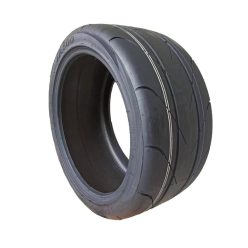
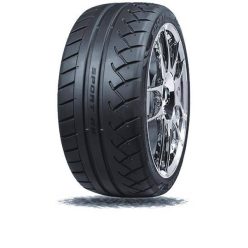
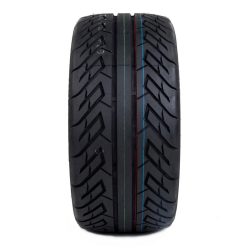
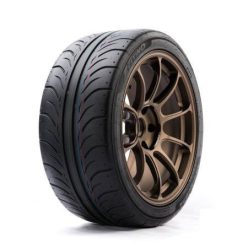
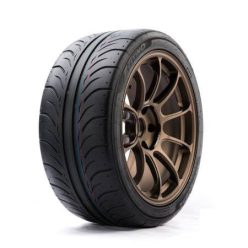
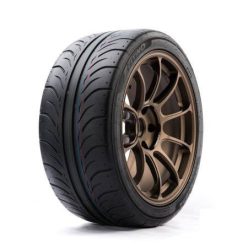
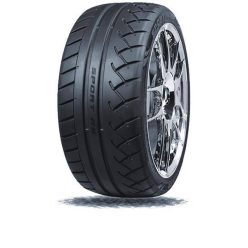
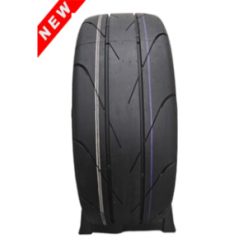
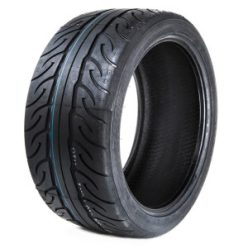
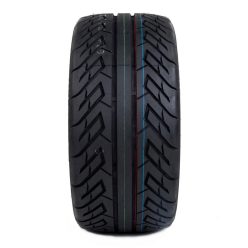


Semi-Slick Tyres: Track Grip, Load Transfer and Predictable Feedback
This performance tyre category brings together semi-slick patterns where size, sidewall character, tread design and operating environment all influence what you feel through the steering and chassis. The right choice can help the suspension speak more clearly and make load transitions easier to read from corner entry to exit.
Technical background and system integration
Tread and sidewall work together to shape corner-entry response, the readability of the grip limit and the way the car behaves under longer lateral load. The same nominal size can feel noticeably different across brands or tread families, especially when the wheel width and suspension setup change with it.
Think as a system: tyre behaviour only makes sense alongside dampers, camber, toe, differential setup, vehicle mass and rim width. That is why a strong semi-slick choice is not just about size, but about matching the tyre to the full character of the car.
Brand and pattern mix on this page includes TRI-ACE, Westlake, Zeknova and Zestino options, so the range also varies by use character rather than size alone. Some patterns may feel more helpful in progressive breakaway, while others may suit longer loaded laps or clearer front-end feedback.
- Size: width, profile and diameter shape both response and space claim.
- Rim width: always check the recommended wheel-width range on the product card.
- Markings: where available, TW, load index or rotation marking can refine the choice.
How to choose the right one
Quick selection guide: start from the factory or target wheel size, then match width, profile and diameter to whether the car is mainly for drift, trackday or fast road use. If you are split between two close sizes, weigh arch clearance, steering response and gearing feel as well as outright grip.
Use-case logic matters because drift often rewards readable transitions and a progressive release of grip, while trackday use usually asks more from balance over repeated laps and shoulder load control. Fast-road driving adds further compromises in noise, wear character and day-to-day suspension tolerance.
Filters and product cards make the best pairing when used together: first narrow by size, brand and availability, then check tread character, recommended rim width and the sidewall markings listed on the product page. On this category page, comparing two near sizes side by side often reveals more than the product name alone.
When two similar sizes still look possible, prioritise the one whose rim-width guidance and use profile fit your actual suspension setup and real driving pattern more closely.
- Drift: readable transitions and controllable breakaway can matter more.
- Trackday: look harder at consistency over several laps and shoulder behaviour.
- Fast road: feedback is important, but noise and wear also belong in the decision.
Installation and failure-prevention tips
Preparation should include checking the wheel rim, valve condition, rotation direction and any outside/inside marking before fitting. Use clean mounting faces, correct centring and the tightening sequence specified for the car, then re-check wheel fasteners and pressure data after the first use.
Common issue is choosing a size or running a pressure routine that does not suit the car's real use; warning signs can include vague turn-in, uneven shoulder wear or a noticeable balance change after only a few laps. The best prevention is a consistent measurement routine, correct rotation direction, a suitable rim width and separate logging of cold and hot readings.
Post-run checks should look at tread appearance, shoulder condition, the valve area and whether the car still gives the same feedback under braking, turn-in and acceleration. When you do make a change, alter one variable at a time so the effect stays readable.
PRO TIP: keep a simple tyre log with date, ambient temperature, cold and hot pressures, plus a short note on the session; after a few uses it becomes much easier to see which size and setup actually suit the car.
FAQ
What is the most common failure or installation mistake?
First check rotation direction and any outside/inside sidewall marking. Then confirm rim width, inspect valve condition, review wheel-fastener tightening order and make sure pressure readings were always taken in the same state.
Can the same tyre work for drift and trackday use?
Not necessarily, because the two uses can ask for different tyre behaviour. Drift often values readable transitions and controllable release, while trackday driving usually rewards balance over repeated laps and cleaner shoulder management.
What should I inspect if turn-in feels vague or the shoulder heats up quickly?
Check the gap between cold and hot pressures, the tread picture, camber, toe and whether the rim width really suits the tyre size. Together, those clues say far more than a single pressure number on its own.
Are semi-slick tyres suitable for road use?
They can be, but road comfort, noise, wear behaviour, temperature sensitivity and suspension setup all become more relevant in daily driving. That is why honest use-case planning should come before the final size choice.
What should I inspect after the first hard session?
Look at tread appearance, shoulder loading, the valve area and whether all four tyres show a similar working pattern under similar use. If something changes, adjust one setting at a time so the reason stays traceable.
