
The Suzuki Swift V Spoilers category helps you select spoiler and aero parts (aero parts) for Suzuki Swift V Spoilers. It gives a focused starting point for exterior upgrades where fitment, mounting method and body shape all matter.
Choose by exact fitment, side, adapter, connector or mounting notes, then verify the product card before ordering. Verify exact dimensions and specifications on the product card; in-stock items dispatch fast within the EU.
Use filters for availability, price and vehicle details; this supports fast narrowing and helps you choose the right spoiler and aero parts without relying on images alone. The layout keeps the decision tied to fitment data rather than broad generic accessories.
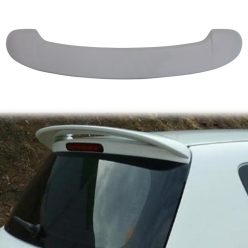
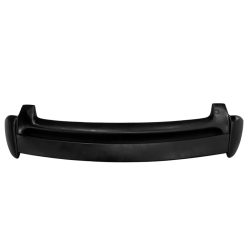
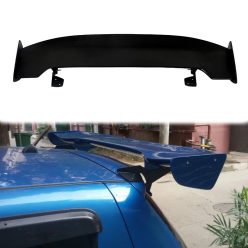
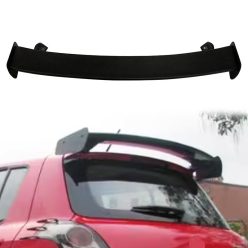
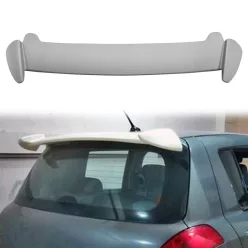
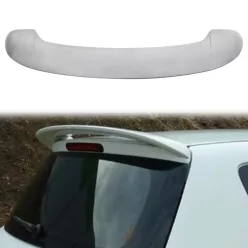
Suzuki Swift V Spoilers - exterior fitment and selection guide
The Suzuki Swift V Spoilers page focuses on spoiler and aero parts for a specific vehicle, model family or exterior product group. Builders usually treat this area as part of an exterior upgrade plan, and the category scope is to support exterior styling, airflow guidance and body-line integration without mixing the selection into unrelated mechanical categories.
Exterior parts have to work with panel shape, vibration, heat movement and service access. A good choice helps protect surrounding components, reduces unnecessary stress on clips or brackets and keeps the installation easier to inspect later.
Technical background and system integration
For this category, fitment logic starts with bumper contour, sill line, splitter angle and mounting-point access. Even if two vehicles look similar, body style, facelift, trim package, left/right side or connector design can change the required part.
- Model: match make, model, generation and body style before comparing designs.
- Package: check M-Pack, AMG-Line, ST-Line, facelift or trim-specific notes where shown.
- Mounting: review screw, adhesive or bracket positions and confirm service access.
- Finish: plan painting, surface preparation and edge protection before final fitting.
The system role is practical: the part should support clean panel fitment, controlled stress around fixing points and protected paintwork without forcing adjacent panels, wiring, brackets or painted surfaces into tension. This is especially important on older cars, modified builds and vehicles used in changing weather or track-day conditions.
Quick selection guide
The quick selection method is to start from the exact vehicle or product group, then narrow by visible design, mounting style and compatibility. When no subcategory link is shown, use filters and product cards as the decision path instead of guessing from the category name alone.
- Vehicle: compare make, model, generation and body style with the product card.
- Version: check facelift, trim package, left or right side and visible mounting notes.
- Dimensions: use mm where size is shown and compare with the removed part before ordering.
- Product card: confirm photos, part number, availability and compatibility before checkout.
If several similar products are listed, do not choose only by price or image. Read the product name, check the detailed description and compare connector, side, surface or mounting information with the car before ordering.
Installation and failure-prevention tips
Before final fitting, trial fitment is the key step. Hold the part in position, check clearance, confirm access to clips or bolts and make sure the surrounding bodywork is not being pulled out of shape.
The common failure mode is unchecked compatibility: uneven panel gaps, stressed edges or cracked mounting points may appear because the buyer looked only at the image or category title. Prevention is simple but important: trial-fit the part, align the body line and only then prepare the final fixing method.
For adhesive, clip-on or bolted exterior parts, clean preparation, undamaged clips, hand-started fasteners and stress-free positioning help reduce rattles, surface marks and later service problems. For mechanical fixing, follow the product-specific mounting sequence rather than assuming a universal torque value.
PRO TIP: Save the exact category path and product-card part number, then compare them with the vehicle before installation; this keeps browsing fast while reducing the risk of ordering a similar but incorrect part.
FAQ
What is the Suzuki Swift V Spoilers category for?
It helps you review spoiler and aero parts for the relevant vehicle, body style or exterior product group. Use it when the product type is known and you need to narrow the choice by fitment, side, mounting or finish.
How is this different from a general exterior accessories page?
A general page shows several product groups together, while this category focuses on one vehicle or exterior part logic. That makes it easier to compare products that are closer to the intended fitment.
What is the most common failure or installation mistake?
Use a checklist before fitting: verify model, year, body style, side, mounting points and part number, then compare the new part with the removed component or product-card data.
Should I choose universal aero parts and model-specific aero parts?
Model-specific aero parts usually follow the bumper, sill or tailgate shape more closely. Universal parts can suit custom builds, but they require more measuring, trimming and installer judgement.
How do I quickly check that I selected the right item?
Check the model name, year range, body version, side, dimensions and mounting method. Then review the photos, description, part number and availability on the product card before ordering.
