
A same side intercooler (single-side outlet intercooler) is a universal charge-air cooler with both connections on the same side, which can suit tighter front-end packaging and more compact pipe routing in custom turbo builds. It is especially useful when you want to gather the charge piping in one direction instead of creating space on both sides of the core.
Compact routing depends on the full package: core size, outlet diameter, pipe exit angle and clamp clearance all need to work together. Verify exact dimensions and specifications on the product card; in-stock items dispatch fast within the EU.
For secure seating, leave enough straight engagement for the coupler, confirm proper bead-rolled pipe ends and allow for engine movement so the joints are not pulled sideways under load.

Net price: 121 €

Net price: 121 €
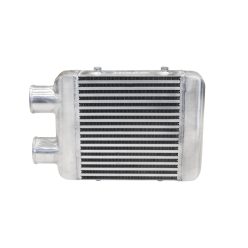
Net price: 138 €

Net price: 138 €
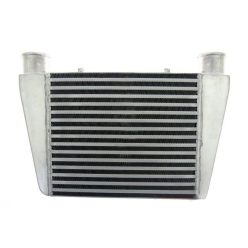
Net price: 129 €

Net price: 138 €
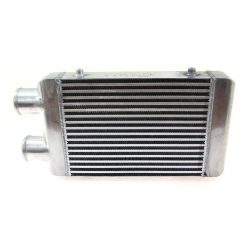
Net price: 142 €

Net price: 142 €
Net price: 151 €
Net price: 151 €
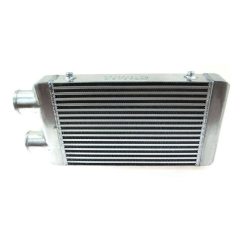
Net price: 142 €
Net price: 142 €
Same Side Intercoolers for Cleaner Packaging and Shorter Pipe Runs
Connections on one side: this style of charge-air cooler places both outlets on the same end of the core, which can help many custom turbo builds keep the piping route simpler and easier to package. It is particularly useful where bumper structure, headlamp housings or front-end layout make it easier to collect both pipes on one side rather than split them across the car.
Technical background and system integration
System layout: a same side intercooler is not automatically the better option; it works best when the turbo position, throttle entry, front-end packaging and pipe route all support that direction of flow. In the right build it can reduce awkward cross-routing and unnecessary bends.
Heat management: core choice should be judged through frontal area, thickness and real airflow conditions together. A core that is too large can create packaging compromises, while one that is too small may reach its limit sooner during repeated or sustained load.
- Core shape: this category includes both compact and wider formats, so measure the real installation window rather than relying on the picture or one headline dimension.
- Outlet side: same side layout works well when both pipes can naturally leave in the same direction without an immediate reversal beside the end tank.
- Version: different sizes and finishes may be available, but the right choice should follow space, route logic and project goals rather than blanket assumptions.
How to choose the right one
Quick selection guide: if you want to compare the wider range first, start with Universal Air-to-Air Intercoolers and then narrow by core dimensions, outlet diameter and whether the same side layout genuinely simplifies your own pipe route. With this type, the decisive factor is often serviceable connection space rather than the largest core on paper.
Use the product card: check total outer dimensions first, then outlet size, then thickness and clamp room. The product page should help you confirm that the selected core leaves enough space for the couplers and for the natural bend radius of the pipework.
- Width: measure the usable gap between real obstacles such as brackets, bumper bar and lamp housings, not just the visible opening.
- Thickness: include radiator, condenser, fan and bend clearance, because the intercooler never uses space on its own.
- Pipe path: make sure putting both outlets on one side truly shortens the route instead of forcing an extra crossover in the bay.
Installation and failure-prevention tips
Planned routing: a same side intercooler works best when the pipes do not kink immediately after the outlets and the whole assembly has proper support. If you are building the route from scratch, Intercoolers and Pipe Kits can help you map a cleaner installation.
Typical mistake: when two nearby joints on the same side are packed too tightly, the coupler is too short, or the pipe pulls the outlet sideways, load can lead to oily misting, joint rotation or intermittent boost loss; more engagement length, straighter approach and better support help reduce that risk.
Degrease using a manufacturer-recommended cleaner, then allow to dry completely before applying load/boost. Then assemble the joints on clean, burr-free surfaces and leave enough movement margin so engine rock does not preload the couplers sideways.
PRO TIP: mark the core position and the first pipe angles with masking tape before making brackets, because it quickly shows where clamp clearance disappears in the real car.
Frequently asked questions
When is a same side intercooler the right choice?
It suits builds where you want both charge pipes collected on one side for a simpler and tidier route. In many custom front-mount layouts that makes packaging easier than splitting the pipework across both sides of the core.
What is the difference between same side and rear port intercoolers?
A same side intercooler places both connections on one side of the core, while a rear port version turns the outlets toward the back of the intercooler. The better option depends on space behind the core, pipe direction and clamp access in your own build.
How should I choose between different core sizes?
Look at the installation window, pipe diameter, target power level and intended use together. The goal is not the biggest possible core, but the one that packages cleanly and supports a sensible routing plan.
What is the most common failure or installation mistake?
Check that there is enough room for both nearby joints on the same side, the pipe ends have proper beads, the couplers have enough engagement length and the clamps are not hanging off the edge. That short inspection prevents a lot of unnecessary rework.
What quick checklist should I use after the first test drive?
Inspect bracket security, body clearance, clamp position and any oily residue around the joints. If you log data, inconsistent boost behaviour or intake temperatures rising faster than expected can also suggest that the routing or support needs refinement.
