
A Saab silicone hose kit (silicone hose kit) is a model-specific set shaped around OEM routing and connection points, helping you keep coolant and charge/air plumbing tidy.
Select by exact model, engine code and year for a vehicle-specific fit, and plan clamp access so you can re-check joints after the first heat cycles.
Filter by vehicle, then confirm what’s included on the product card; clean mating surfaces and secure clamping matter most for stable joints. Verify exact dimensions and specifications on the product card; in-stock items dispatch fast within the EU.
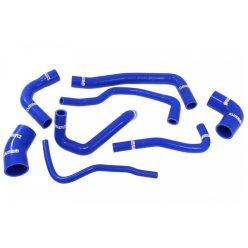
Net price: 88 €
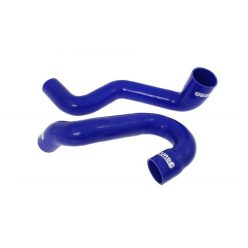
Net price: 33 €
Saab Silicone Hose Kits – Vehicle-Matched Sets for Predictable Routing
These Saab-focused vehicle-matched sets (vehicle-matched silicone hose kit) follow OEM-style geometry and connection points, helping reduce compromises compared with cutting universal hose to fit.
With correct selection, hoses can accommodate vibration and heat cycling, while sealing still depends on fitment, surface prep and clamp placement.
Technical background: why model-specific geometry helps
OEM-style shapes can reduce side-load at joints as the system expands and contracts, helping manage thermal movement without forcing hard parts to take the full load.
In crowded bays, avoiding rub points supports component protection around mounts, heat shields and wiring where hoses pass close to brackets.
During installation, aim for a kink-free route so the hose isn’t pinched, which can affect flow behaviour and joint stability over time.
- Circuit: Confirm whether the kit targets coolant, charge/air, or auxiliary connections in the product card notes.
- Geometry: Kits may combine elbows, straights and transitions to match factory packaging.
- Clamping: Clamp type, band width and access influence how consistently a joint can be checked later.
How to choose the right Saab kit
Quick selection guide: Identify the exact Saab model, year range and engine code, then use the product card to confirm which connection points the kit covers and which circuit it is intended for.
To compare similar sets across other brands, use Model-specific silicone hose kits to filter and shortlist options.
- Engine code: Similar model names can hide different hose layouts and connection points.
- Year range: Revisions and facelifts may change lengths or spigot geometry, so follow the stated coverage.
- Service access: Plan orientation so clamps remain reachable for inspection and re-checks.
Installation and failure prevention
Dry fit: Test seating depth first, keep ends square where applicable, and deburr sharp spigot edges to reduce the chance of nicking the inner surface during clamping.
Surface prep: degrease using a manufacturer-recommended cleaner, then allow to dry completely before applying load/boost, and avoid petroleum-based sprays or aggressive solvents (such as brake cleaner) as they can reduce friction and alter sealing behaviour. For related kits and matching options, jump to Model-specific silicone hose kits.
Common failure: If routing leaves the hose preloaded or clamp contact ends up uneven, joints can start to weep after heat cycling; prevent this by keeping a natural curve, setting clamps evenly, and doing a follow-up check.
PRO TIP: Take reference photos before removal—matching the original orientation makes it faster to confirm hose direction and clamp access during reassembly.
FAQ
How is a Saab silicone hose kit different from universal hose?
It is typically shaped to suit OEM-style routing and connection points for specific Saab models/engines, which can reduce cutting and improvised bends. Always confirm exact coverage on the product card.
How do I make sure the kit matches my engine variant?
Check model/year and engine code compatibility on the product card, then compare to your vehicle’s connection points. If multiple variants exist, the listing notes usually highlight the differences.
Coolant vs charge/air kits: what should I review before buying?
Confirm which circuit the kit targets and what pieces are included. Also consider clamp access, nearby brackets/sensors and available clearance where the hoses route.
What should I check if I notice weeping at a joint?
Confirm seating depth, review clamp placement and access for re-checks, inspect the spigot edge for burrs or damage, and check the route for rubbing points or kinks. Re-check again after the next heat cycle.
When should I choose a kit instead of custom routing?
A kit is a good option when you want OEM-style geometry and a predictable, repeatable fit. Custom routing can make sense when hard parts, layout or connections have been modified beyond the standard path.
