
The Rims & Tyres Care range covers safe, effective wheel and tyre maintenance: dedicated wheel & tyre cleaners, de-ironizers, rubber degreasers, long-lasting dressings, and wheel sealants/coatings. Modern formulas remove grime without damage and leave a durable, hydrophobic finish that stays cleaner for longer.
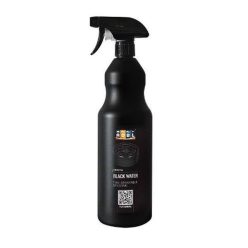
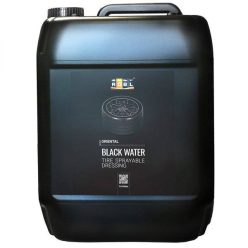
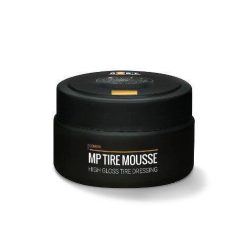
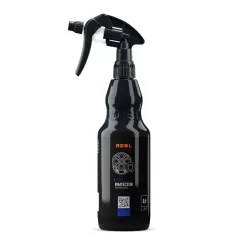
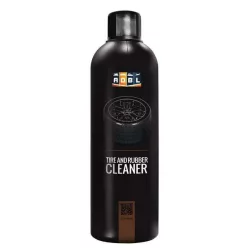
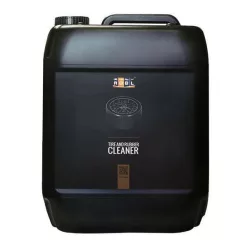
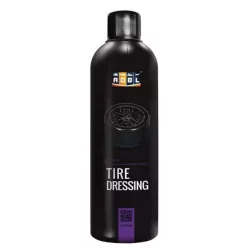
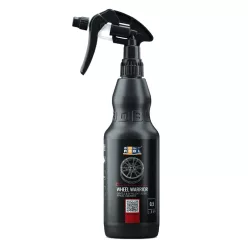
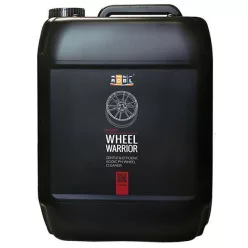
Brief summary + key benefits
Rims & Tyres Care products remove road film, brake dust and old dressings, then protect wheels and rubber with durable sealants and dressings. A simple routine—pre-rinse, wheel/tyre cleaner, optional de-ironizer, then protection—delivers a cleaner look and easier maintenance. Quality dressings keep rubber supple and allow you to choose anything from OEM satin to deep black.
Technical basics
Wheel cleaners are pH-neutral or mildly alkaline surfactant blends that loosen road grime. For stubborn ferrous contamination, reducing iron removers chelate oxidised particles and turn them water-soluble—the familiar purple bleeding. Tyre cleaners purge pores and strip old dressings so fresh product bonds properly. Dressings come in water-based (OEM satin, dry-to-touch) and solvent-based (richer black, outdoor durability) forms; polymers/siloxanes add hydrophobics. Wheels can be protected with sealants or flexible ceramic-style coatings to slow build-up.
Compatibility: safe on lacquered/powder-coated wheels; always test on bare aluminium or polished lips. Never work on hot brakes or in direct sun.
Selection criteria
Soil type: heavy road film → wheel cleaner + brushes; heavy dust → de-ironizer; brown tyres → dedicated rubber cleaner. Wheel design: gels cling better to open spokes; deep barrels need long wheel brushes. Finish target: OEM satin → water-based dressing; deep black → gel/solvent-based. Durability: infrequent washes favour wheel sealants/coatings and longer-lasting dressings.
Application & maintenance
Prep: cool wheels, thorough pre-rinse. Apply cleaner, allow short dwell, agitate with brushes on spokes and barrels, then pressure-rinse. If required, follow with iron remover (never let it dry). Clean tyres until the foam stays white. Dressings: apply thin coats with an applicator, level after 5–10 minutes to prevent sling; add a second coat to set the sheen. For wheels, apply sealant/coating to a clean, degreased surface and respect cure times. Maintain with pH-neutral shampoos and occasional light de-ironizing.
Common mistakes & prevention
Brown bloom on tyres: oxidation/old dressing—use a dedicated rubber cleaner in multiple passes. Stains on wheels: drying product or hot surfaces—work in shade on cool wheels. Dressing sling: too much product—use thin coats and buff excess. Poor bonding: oily base—degrease thoroughly first.
FAQ
Can I use iron remover on any wheel? Safe on coated wheels; always test on bare aluminium/polished lips.
How long do tyre dressings last? Typically 2–6 weeks depending on weather and wash routine; gels tend to last longer.
Apply dressing on wet tyres? Most products need a dry surface—dry first for best bonding.
Is it safe on calipers and valve stems? Rinse immediately; some chemistries may stain delicate finishes.
Are wheel coatings worth it? Yes—cleaning becomes much easier and build-up is reduced, especially on dust-prone cars.
