
Resonators and mid-pipes are exhaust sections used to tune sound character, manage cabin drone and set system length in custom or replacement builds. This category brings together builder-style parts for different diameters and installation methods.
Start with pipe size, overall length and install type, then confirm whether slip fit or weld construction suits the rest of your system. Verify exact dimensions and specifications on the product card; in-stock items dispatch fast within the EU.
For a cleaner result, place the part on a straight section with enough hanger support so thermal movement does not load the joints. Use the filters by size and brand, then open the product card for the exact data.
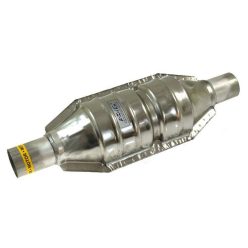
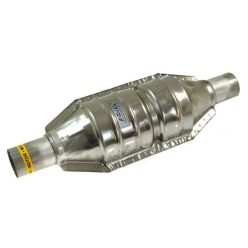
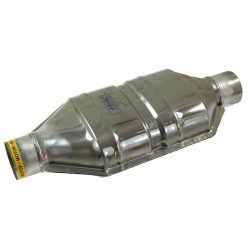

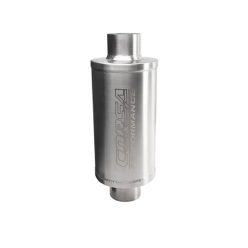
Net price: 190 €
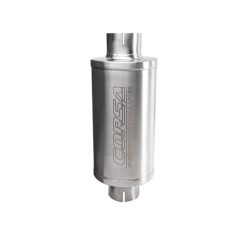
Net price: 197 €
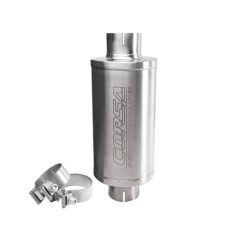
Net price: 197 €
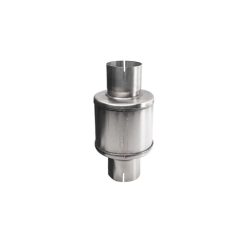
Net price: 183 €
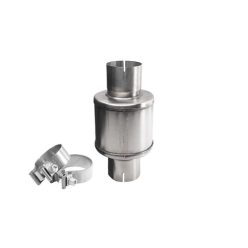
Net price: 183 €
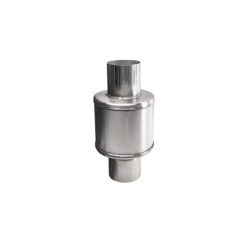
Net price: 176 €
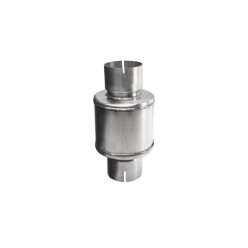
Net price: 183 €
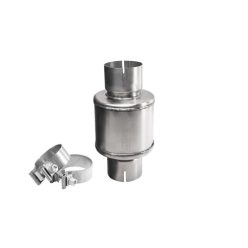
Net price: 183 €
Resonators and mid-pipes: exhaust tuning and fitment logic
In this category you will find centre exhaust sections that work as resonators or mid-system muffler elements, helping with Flow Balance, sound tuning and packaging inside a custom or replacement exhaust. The right choice can change how vibration is distributed through the system and how easily the middle section fits between hangers, heat shields and surrounding chassis parts.
Technical background and system integration
Function matters because a resonator is usually chosen to shape frequencies and reduce certain types of drone, while a mid-pipe or centre muffler section can add more damping and a different structural transition in the middle of the exhaust. That is why pipe diameter alone is not enough; body length, shell size and end configuration all affect the final result.
Construction on this page currently includes universal resonator and centre-section parts from AWG, Corsa and MICHAEL, with both slip fit and weld-style options visible in the filters. Common listed sizes include 2.50, 2.75 and 3.00 in ends, together with different body lengths and sound-reduction ranges, so it is worth reading the product card rather than relying on the product name alone.
- Pipe size: match the nominal or internal connection size to the existing tube, while also checking wall thickness and any required adaptor or step section.
- Overall length: confirm that the shell length and total part length fit the available straight section without crowding the floor, heat shield or suspension area.
- Connection type: slip fit versions depend heavily on accurate overlap and clamp positioning, while weld versions need proper alignment before the final weld sequence.
- Brand mix: because the category includes different manufacturers, the product card should always be the final reference for dimensions, end style and installation details.
How to choose the right one
Diameter should be your first filter, followed by the exact end style. The common 2.50 / 2.75 / 3.00 in sizes correspond roughly to 63.5 / 69.9 / 76.2 mm, but real fitment still depends on whether the end is expanded, notched or nominal and on how the adjoining pipe was made.
Sound target should be clear before you buy: some builds need drone control in the cabin, while others need a more civilised middle section without changing the rest of the layout too aggressively. The listed sound-reduction band, shell dimensions and total length usually give a better picture than the item name on its own.
Filters are the fastest way to narrow this page by diameter, length, sound reduction, install type and brand, then confirm the A-end and B-end details on the product card. On this category page, filtering by size, length, sound reduction and install type is the quickest route to the right part.
Installation and failure-prevention tips
Preparation should start with a dry mock-up of the full section before final clamping or welding. This makes it easier to confirm shell clearance, hanger position and access around the floor, heat shields and adjacent brackets.
Thermal movement should be allowed for, especially in the middle section of the exhaust where the part sees repeated heat cycles. If the resonator or mid-pipe is installed in tension, the joints and surrounding sections can be loaded more heavily than intended.
Common Failure appears when the part is fitted with slight preload, then after a few heat cycles you notice drone, metallic resonance or the joint position drifting. This is usually avoided by doing a dry trial fit first, keeping the hangers relaxed and aligning the pipe ends on the same axis before final fixing.
Post-check means inspecting clamp position, hanger angle and body-to-chassis clearance after the first full heat cycle. On welded systems it is often wiser to tack the section in place, re-check the fit, and only then complete the weld.
PRO TIP: When you build a custom system, choose the resonator or mid-pipe position not only for sound but also for future service access to clamps, hangers and heat shielding.
FAQ
Should I choose a resonator or a centre muffler section?
If your main aim is to shape sound character and reduce a specific type of drone, a resonator is often the better starting point. If you need more damping and a stronger middle section in the layout, a centre muffler style part may be the more practical option.
What is the most common failure or installation mistake?
Check the build in this order: dry trial fit, pipe-end alignment, natural hanger position and clearance to the chassis. Then confirm that clamps or tack welds have not pulled the body out of line, and repeat the inspection after the first full heat cycle.
What is the difference between slip fit and weld versions?
Slip fit parts can make positioning and later adjustment easier when the sizes match accurately. Weld versions offer more freedom in custom fabrication, but they demand more care with alignment and weld sequence.
What should I inspect after the first road test?
Look for any rotation of the shell, clamp movement and reduced clearance to the floor, heat shield or suspension. Listen both cold and fully warm, because some resonance issues only become obvious after the system has expanded with heat.
Do shell length and body diameter matter as much as pipe size?
Yes, because real packaging depends on the available straight section, nearby components and the final sound target. The exact length and end-dimension data on the product card are always more useful than the product name alone.
