
A resonator delete pipe (exhaust resonator bypass section) is a vehicle-specific exhaust part designed to replace the centre resonator section, changing sound character and the gas path through the system. On this page you will mainly find Corsa solutions in 2.5in and 3.0in sizes, typically for selected F150 and Ram 1500 applications.
Choose by exact model year and pipe diameter together, because these are not universal tubes but platform-matched kits. Verify exact dimensions and specifications on the product card; in-stock items dispatch fast within the EU.
For reliable fitment, pay attention to flange line, clamp position and hanger alignment, because a stress-free install matters for noise behaviour, resonance and later service work. Use the filters by diameter and availability, then confirm compatibility on the product card.
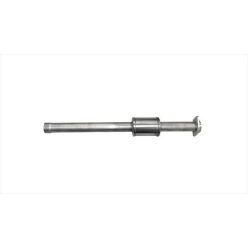
Net price: 689 €
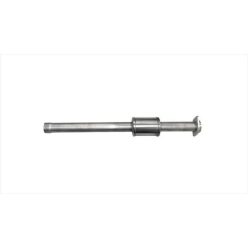
Net price: 459 €
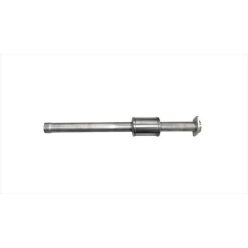
Net price: 459 €
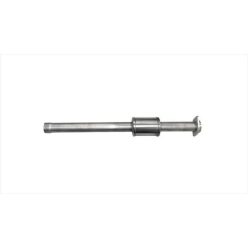
Net price: 459 €
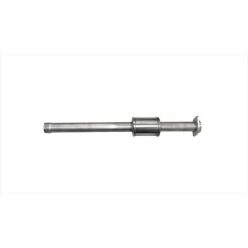
Net price: 443 €
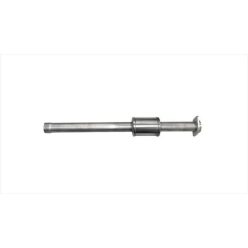
Net price: 443 €
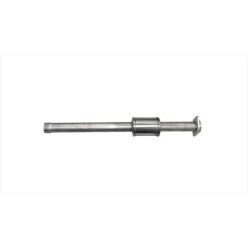
Net price: 443 €
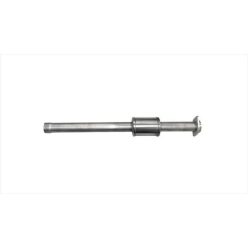
Net price: 447 €
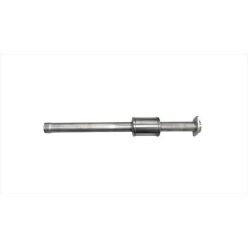
Net price: 459 €
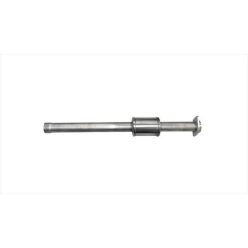
Net price: 447 €
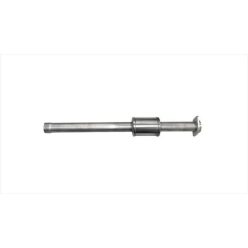
Net price: 447 €
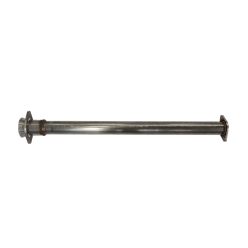
Net price: 415 €
Resonator Delete Pipes: Vehicle-Specific Centre Sections for Sound and Flow Changes
A platform-matched resonator delete kit replaces the centre resonator section of the exhaust, so this category is about more than a simple straight pipe. It changes the route and behaviour of the middle section, which can alter sound character, cabin resonance and how the rest of the exhaust responds.
The range on this page is mainly made up of vehicle-specific Corsa parts, so the correct choice depends on engine, model year, pipe size and platform together. A 2.5in or 3.0in label on its own is not enough, because the fitment logic is tied to the intended application.
Technical background and system integration
System role: a resonator delete pipe replaces a tuned centre section, so the change affects more than loudness alone. It can shift the way certain frequencies travel through the exhaust and how the full system feels from idle to load.
Centre section: these kits work best when the joining points, hangers and downstream pipework remain in a natural line. If the existing system is already twisted or preloaded, adding the delete section may highlight those alignment issues rather than solve them.
- 2.5in: common on several F150 applications, but the product card still has to confirm the exact engine and year range.
- 3.0in: suited to larger centre-section layouts, and only correct when the existing exhaust really matches that diameter.
- Fitment: F150 2.7, 3.5, 5.0, 6.2 and Ram 1500 5.7 examples show that these are targeted kits rather than universal pipes.
- Brand: even within the Corsa range, the listed application and item-specific fitment data decide the correct part.
How to choose the right one
Quick selection guide: begin with the exact vehicle data rather than the expected sound result. Filter by model, engine, year and pipe size, then confirm on the product card that the kit is intended for your specific platform.
Diameter and model year: this page currently groups products around 2.5in and 3.0in pipe sizes, but equal diameters do not automatically mean interchangeable parts. A kit for a 2011-2014 F150 may use a different joining layout from a 2015-2020 version even where the nominal size looks similar.
Filter logic: because this is a product-list page rather than a subcategory hub, the best route is practical fitment checking. Use the filters first, then open the product card to verify the engine, platform and year range before you commit.
Installation and failure-prevention tips
Dry fit: before final tightening, trial-fit the centre section and check whether the flanges, clamps and rear exhaust section sit in a natural line. This matters even more if the vehicle already has modified rear boxes or other exhaust changes.
Common failure: when the delete pipe is installed with slight twist or side-load, heat cycles can transfer more vibration into the body, soot marks may appear around the joins and later removal can become harder. This is usually prevented by accurate alignment, checking hanger position and tightening the joining points progressively rather than forcing the section into place.
Installation space: leave enough room around the pipe so the exhaust can move naturally once hot without side-loading the joins. If the rear section or centre hanger is already sitting off-line, correct that first and only then finalise the delete section.
PRO TIP: if your goal is a sharper exhaust note without unnecessary cabin drone, judge the resonator delete pipe as part of the full system rather than as a standalone change.
FAQ
What does a resonator delete pipe do?
It replaces the centre resonator section on a specific vehicle platform. That can change both the sound character and the gas path through the system, but the exact result depends on the rear silencers, pipe size and overall exhaust layout.
Is this a universal part or a vehicle-specific kit?
The products on this page are typically vehicle-specific kits, so exact application matters. Always confirm model, engine, model year and pipe size on the product card.
What is the most common failure or installation mistake?
First check whether the joining points meet without stress, then inspect the rubber hangers and the free space around the centre section. After that, make sure the rear exhaust is not pulling the middle section sideways and that there are no early signs of leakage at the joins.
Should I choose 2.5in or 3.0in?
The correct answer is the size that actually matches the existing system and the fitment data of the kit. A larger diameter is not automatically the better choice if the application list and the exhaust on the vehicle do not match it.
Can I run it with other exhaust modifications?
Yes, but the final result is always shaped by the rest of the system. Rear silencers, X-pipe or Y-pipe layout and the overall pipe diameter all influence how much the sound and resonance character change.
