
Redline Fuel Pressure Regulators focuses on a low-pressure, adjustable fuel pressure regulator described for carburetted vehicles.
The listed adjustment range is 1–5 PSI (about 0.1–0.3 bar), with a stated maximum flow of 150 LPH and 5/16" (8 mm) connectors in the box. Use filters and sorting, open the product card, and confirm the WFR-190 part number and hose size before fitting. Add it to your cart and check out.
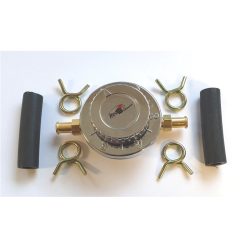
Net price: 55 €
Redline Fuel Pressure Regulators – low-pressure control for carburetted fuel delivery with adjustable settings
A fuel pressure regulator (FPR) is useful when you want controlled, repeatable pressure to the carburettor, because too much pressure can cause flooding while too little can lead to lean running under load.
This category is centred on a Redline Performance low-pressure adjustable regulator (Part No. WFR-190) described as suitable for carburetted vehicles.
The stated adjustment range is 1–5 PSI (about 0.1–0.3 bar), and the specification also lists a maximum inlet pressure of 7 PSI (about 0.5 bar), which you should consider against your pump’s output.
Technical Basics
Carburetted fuel systems typically operate as low-pressure setups, which is why targets are often stated in PSI rather than multi-bar EFI ranges; here the product specification lists 1–5 PSI.
The page states a maximum flow of 150 LPH, which matters when you want stable delivery at sustained load without unnecessary pressure drop to the carb.
Hose connections are specified as 5/16" (i.e. 8 mm) connectors in the box, so check your fuel hose size and clamp style to keep the installation leak-free.
The listed maximum inlet pressure of 7 PSI is a practical limit; if your pump can exceed it at the inlet side, pressure control may become less stable unless the rest of the system is designed accordingly.
Selection Criteria
Start with system type: this is a carburetted, low-pressure regulator listing with a 1–5 PSI range, so it is not aimed at typical high-pressure EFI use-cases.
Match the pressure window to your carb needs: the stated range of 1–5 PSI (about 0.1–0.3 bar) is intended for fine adjustment where small changes make a noticeable difference in drivability.
Confirm hose sizing: because the listing specifies 5/16" (8 mm) connectors, plan your plumbing so you don’t rely on improvised reducers. The product description also suggests checking related items if you need different connections.
Finally, sanity-check pump capability against the stated limits: 150 LPH and 7 PSI are the two headline constraints to compare with your pump and line setup.
Installation & Maintenance
Always depressurise the fuel system before work and perform a thorough leak check after the first start, especially around hose ends and clamps.
With 5/16" (8 mm) hose connections, ensure the fuel hose is rated for petrol and is properly supported so it cannot kink or rub through. Small routing issues can turn into fluctuating fuel pressure later.
For adjustment, it helps to verify the real value using a pressure gauge during setup, then re-check behaviour under load. Stable pressure within the 1–5 PSI window is the goal, not just an idle-only reading.
As routine maintenance, periodically check clamps and hoses for ageing, and watch for signs such as fuel smell, damp joints or load-related hesitation that can indicate a regulation or delivery issue.
FAQ
What fuel pressure do carburettors typically need?
Many carburetted setups use low-pressure fuel delivery, often described in PSI rather than bar. This product is specified as adjustable from 1–5 PSI (about 0.1–0.3 bar). Use a gauge and follow your carburettor manufacturer’s guidance for the final setting.
What does “1–5 PSI adjustable” mean in practice?
It means you can fine-tune fuel pressure within the stated window to suit your carb. Small changes can affect flooding, throttle response and consistency under load. Always confirm the setting with a measured value, not by feel.
Can I use this regulator on an EFI system?
The listing describes it for carburetted vehicles and specifies a 1–5 PSI range. Typical EFI systems operate at much higher pressures, so an EFI-rated regulator is usually required instead. Match the regulator range to your system’s pressure requirement before buying.
What hose size does it come with?
The specification states 5/16" (8 mm) connectors in the box. If your plumbing differs, plan proper adapters or check related items rather than forcing mismatched hoses. Correct sizing helps prevent leaks and restriction.
Why can a carb still flood even with a regulator fitted?
Flooding can happen if actual inlet pressure is still too high, if the setting is incorrect, or if the carb’s needle/float system is not sealing properly. The product page lists 7 PSI maximum inlet pressure, which is a key boundary to respect. Measure pressure at the carb feed to diagnose accurately.
Confirm hose size and target pressure, then choose the right Redline low-pressure FPR and check out.
