
A radiator cap and its matching fill neck form the pressure-control point of a sealed cooling system: they help manage system behaviour, thermal expansion and sealing consistency under changing load. Here you can choose replacement caps, weld-on fill necks and complete cap-and-neck solutions.
The right choice depends on cap standard, neck layout and the relevant 32/41 mm or 1", 1.5", 2", 2.5", 3" sizing logic. Verify exact dimensions and specifications on the product card; in-stock items dispatch fast within the EU.
Use filters by brand, size and availability, then open the product card for the detailed fitment data. A clean seat and the correct cap-to-neck match matter for stable sealing and predictable cooling-system behaviour.
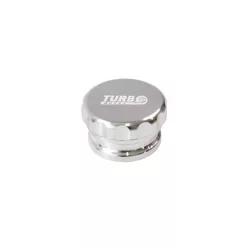
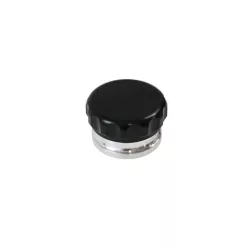
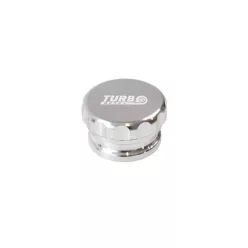
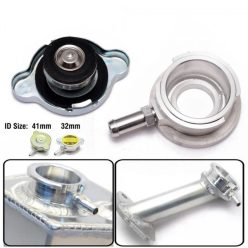
Net price: 7 €
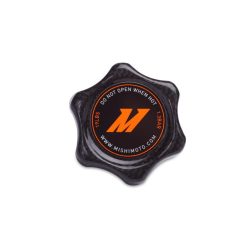
Net price: 38 €

Net price: 24 €


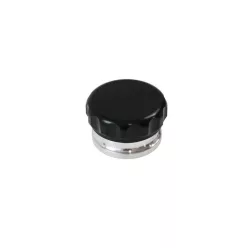
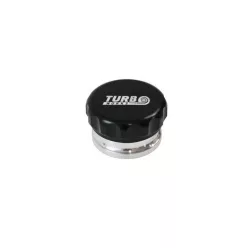
Radiator caps and fill necks: pressure control, sealing and fitment logic
The pressure-regulating cap in your cooling system and the matching fill neck work together for pressure control, thermal expansion management and a more predictable seal at the fill point. A well-matched combination can make filling, recovery flow and system behaviour under heat cycles easier to manage, especially on modified or fabricated cooling layouts.
Technical background and system integration
The cap and neck assembly is more than a lid: the spring-loaded valve, sealing ring and seat geometry all influence how the system reacts to pressure rise and cool-down. That is why choosing by nominal cap rating alone is not enough; the mechanical interface has to match as well.
Thermal movement in the coolant circuit changes volume as temperatures rise and fall, so the cap and neck pair also affect how the system relieves pressure and recovers coolant during cool-down. On custom aluminium radiators, remote fill points or fabricated swirl-pot layouts, neck angle, height and hose routing can all influence serviceability and behaviour.
- Standard: small and large cap patterns can differ in seat geometry and locking-ear layout, so matching standards is essential.
- Size: weld-on or inline neck sizes should be chosen around the hose, tube and available packaging space.
- Material: on aluminium necks, weld quality, flange shape and cap seating surface all matter to the final result.
- System view: overflow routing, expansion tank layout and bleed strategy should be considered together with the cap choice.
How to choose the right one
Quick selection guide: on a product-list page, first decide whether you need a replacement cap only or a complete cap-and-fill-neck solution. Then confirm cap standard, neck layout and hose-size logic against the system already on the car.
The product card is where you should verify 32 mm / 41 mm options, as well as 1", 1.5", 2", 2.5" and 3" neck sizes. On custom radiator or header-tank builds, also check whether there is enough clearance above the cap for safe removal and refitting.
If you are replacing a factory-style cap, use the locking pattern and seat type as your first filter. If you are building a custom system, neck size, mounting position and cap accessibility become the main decision points.
- For replacement: match the existing cap interface before comparing brand or appearance.
- For fabrication: choose the neck size and the matching cap format as one package, not as separate guesses.
- For packaging: review cap access, hose bend radius and overflow routing before finalising the part.
Installation and failure-prevention tips
Assembly order: inspect the neck seat, the cap sealing surface and the overflow connection for burrs, distortion and contamination before installation. On weld-on necks, it helps to test the final cap position before welding so the cap remains easy to operate once the system is assembled.
Typical fault: if the cap standard does not truly match the fill-neck seat, or the sealing land is damaged, the system may vent intermittently after load, leave traces around the overflow, or behave inconsistently during cool-down. Prevent this by checking cap-to-neck compatibility, seal seating and flange condition before the first heat cycle.
The rubber seal on the cap and the seat in the neck need a clean surface to work predictably. Degrease using a manufacturer-recommended cleaner, then allow to dry completely before applying load/boost.
PRO TIP: when designing a custom cooling system, place the fill neck where the cap can be removed without dismantling nearby hardware; service access is part of fitment, not an afterthought.
FAQ
When is a cap replacement enough, and when should I replace the fill neck too?
If the existing neck seat is undamaged, the cap standard is known and the sealing land is clean, a cap-only replacement can be appropriate. If the neck is worn, distorted, fabricated from scratch or of uncertain standard, replacing or specifying the neck as well is usually the safer route.
What is the most common failure or installation mistake?
Check first that the cap locks fully into position and that the ears engage correctly. Then inspect the rubber seal, the seat in the neck, the overflow connection and any paint, weld residue or burrs that could stop the cap from seating flat.
What is the difference between small and large radiator caps?
The locking geometry and seat design can differ, so outside size alone does not confirm interchangeability. Always match the cap to the neck standard rather than choosing by appearance.
What should I check if I see coolant marking near the overflow after a drive?
Inspect the cap seal, the neck flange, the overflow hose routing and the system bleed condition. On custom builds, it is also worth checking whether neck position or hose routing is creating an air pocket or an awkward recovery path.
Should I automatically choose a higher nominal cap rating?
That should not be the starting assumption. Cap rating needs to suit the radiator, hoses, expansion volume and the wider system design, so manufacturer guidance and proven compatibility should lead the decision.
When does a weld-on fill neck make sense?
It is useful on fabricated radiators, header tanks and custom coolant layouts where the fill point needs to be placed for packaging or service access. In those cases, neck size, cap clearance and overflow routing should be planned together.
