
A racing balaclava (mask) is a head and neck base layer worn under a helmet to keep coverage tidy, improve comfort and help maintain neck coverage while you move in the car.
This category covers race and trackday options, from lighter technical pieces to approved versions. When choosing, check the approval, the shape of the opening and how well the fabric keeps a stable helmet fit; if your helmet is already snug, an unnecessarily bulky layer can become distracting.
Verify exact dimensions and specifications on the product card; in-stock items dispatch fast within the EU.
Use filters for size, approval and colour, then open the product card to confirm the detailed specification.
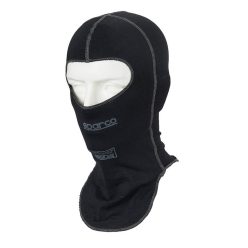
Net price: 58 €
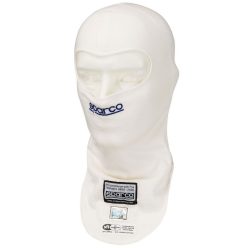
Net price: 53 €
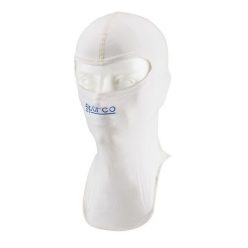
Net price: 74 €

Net price: 62 €

Net price: 67 €

Net price: 67 €
Racing Balaclavas for Helmet Use, Stable Coverage and Smarter Layering
A motorsport balaclava, often searched for as a race mask, is a key part of the helmet-worn base-layer system: it helps organise face and neck coverage while keeping the layering order more consistent around the collar, helmet rim and upper suit area.
The right choice comes from matching the opening shape, fabric feel, seam placement and covered area to your use case. That is why it helps to look beyond the product name and focus on the real in-helmet feel as well.
Technical background
Material logic: motorsport balaclavas are commonly built from aramid (for example, Nomex-type) or other technical fibres so the layer against the skin stays more manageable during longer stints and does not turn annoying as soon as heat and movement build up.
Coverage zones: the area under the chin, around the neck and across the upper shoulder line matters more than many buyers expect; a short lower section may ride up, while an overly open cut can disturb the transition between collar and helmet.
Fit behaviour: a well-matched balaclava should not bunch at the forehead, push the helmet liner away near the ears or create a thick fold at the back of the head, because those details can turn into pressure points over time.
- Approval: if you need a specific race approval, confirm it on the product card before comparing anything else.
- Layers: comfort, thickness and the amount of room available inside the helmet need to be assessed together.
- Opening: the eye and face cut affects how tidy the layer stays around glasses, comms or the helmet liner.
- Colour: black and white can show wear differently, so your care routine may not feel the same in daily use.
Quick selection guide
Leaf-page logic in practice: on this page the main task is to verify exact fit, so check size, opening shape and approval first, then compare covered zones and layer construction on the product card.
Filter workflow: sort by availability or price, then use the product card to decide whether a model suits race use, a technical base-layer role or more general helmet wear. If you are building a full base-layer system, it is worth reviewing the parent category as one package.
Wearing, adjustment and care
Positioning: when putting it on, settle the neck section first, then align the forehead and chin opening, and only fit the helmet after that so you reduce bunching and trapped fabric.
Common mistake: a balaclava usually starts to feel wrong when it sits too low on the forehead, the eye opening pulls sideways or the neck section folds into the collar; that does not always mean a faulty product, and it is often a mismatch between size, cut or helmet-liner shape.
Care routine: always follow the maker guidance before washing, because excessive heat, harsh chemicals or poor drying habits can affect surface condition and shape retention, which later changes how the layer sits under the helmet.
PRO TIP: during a fitting check, turn your head both ways, open and close your mouth, and raise the collar of your racewear as well; it is a quick way to see whether the opening and neck section stay in place once you start moving.
FAQ
Should I choose an approved or a technical balaclava?
If your series or event requires a specific approval, confirm that on the product card before anything else. If the main goal is trackday comfort or a cleaner helmet base layer, opening shape, thickness and coverage can be the more useful deciding points.
How do I know the size is right?
The correct size should stay settled at the back of the head, keep the eye opening in place and avoid awkward bunching around the ears under the helmet. During a fitting check, confirm that neck coverage remains consistent when you turn your head and move your shoulders.
What should I check after the first fitting if something feels off?
Look at the forehead line, the symmetry of the eye opening, the fabric lay around the ears and the continuity of the neck section into the collar. If one of those points shifts, re-adjust the balaclava without the helmet first and repeat the check.
Should I prioritise a lighter or a more built-up layer?
The better choice depends on helmet room, how sensitive you are to pressure points and how the balaclava works with the rest of your base layers. Thickness on its own is not the whole story; what matters is the combined feel once everything is worn together.
How should I wash and store a balaclava?
Use the maker instructions as the first reference and avoid aggressive cleaning or unnecessary heat. Store it in a clean, dry place so the fabric condition and shape remain easier to manage between events.
