
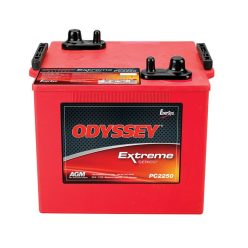
Our Race Batteries deliver high cranking performance in lightweight AGM/VRLA and Li-Ion designs. Built for motorsport, they offer strong vibration resistance, reliable starts and stable voltage for sensitive ECUs. Options span compact units through high-CCA models, with matching battery trays and boxes available for secure mounting and compliant installation.
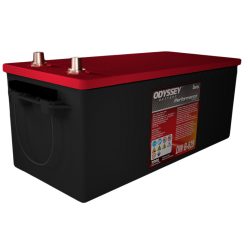
Net price: 421 €
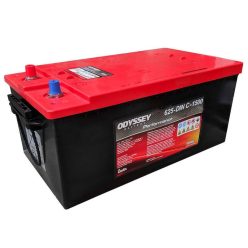
Net price: 509 €
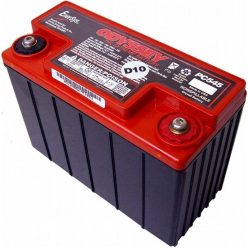
Net price: 121 €

Net price: 137 €

Net price: 159 €
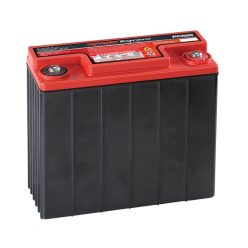
Net price: 129 €
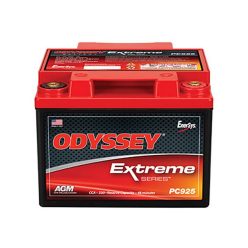
Net price: 188 €
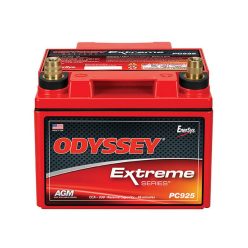
Net price: 221 €

Net price: 215 €
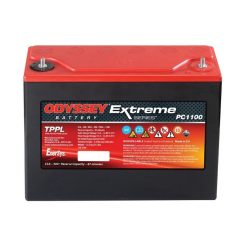
Net price: 237 €
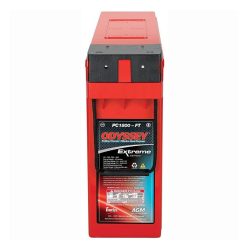
Net price: 550 €
Net price: 483 €
Brief summary & key benefits
Race Batteries provide high cranking amps (CCA) and stable voltage with minimal mass. Motorsport exposes packs to vibration, heat cycles and frequent starts, so sealed AGM/VRLA designs are common, while Li-Ion is preferred where weight is critical. The range spans compact footprints and high-output models to match different engine demands and packaging constraints.
Technical Basics
AGM immobilises electrolyte in a glass mat, improving vibration resistance and lowering internal resistance for strong cranking and quick recharge. VRLA reduces spill risk and suits safety-conscious installations. Li-Ion delivers exceptional power-to-weight but must be charged with a lithium-specific profile and used with an appropriate BMS. Compare voltage, capacity (Ah) and CCA when selecting a model for your platform and duty cycle.
For security and compliance, use rigid battery trays or boxes with multi-point tie-downs. Plan cable routing and terminal orientation to keep leads short and strain-free. Terminal protection caps are recommended, especially for cabin or boot locations.
Typical pitfalls include underspecifying CCA, mixing chemistries with the wrong charge mode, loose mounts and inadequate grounding. These lead to poor starting, heat build-up and shortened service life—avoid them with correct sizing, chemistry-appropriate charging and robust retention hardware.
Selection Criteria
Start with engine requirements and ambient conditions. Target a CCA equal to or above OEM guidance; raise the target for high-compression engines or frequent cold starts. Size capacity (Ah) to your accessory load (fans, pumps, data logging). In sprint scenarios, lower Ah may be acceptable if peak cranking is high. For vehicles stored between events, plan for a compatible maintenance charger to preserve health and state of charge. Consider weight and footprint for balance and packaging.
Use examples: lightweight time-attack builds often run compact AGM units; high-displacement or turbo engines benefit from high-CCA models. Rally and off-road applications prioritise vibration resistance and robust enclosures with secure tie-downs. For cabin or boot installs, add terminal boots and ventilation as required by regulations.
Installation & Maintenance
Isolate the system before work. Connect the positive terminal first, then the negative; reverse to remove. Use short, adequate-gauge grounds and keep runs tidy with abrasion protection. During storage, maintain AGMs with an AGM-compatible maintainer and charge Li-Ion packs only with a lithium profile. Periodically check resting voltage, re-torque fixings after events and inspect for heat marks under load.
Safety note: make connections on clean metal, protect wiring from heat sources and sharp edges, and re-check retention hardware after the first session to compensate for bedding-in and vibration.
FAQ
Q: AGM or Li-Ion for racing?
A: AGM is robust and cost-effective; Li-Ion is lighter with higher specific power but needs lithium-specific charging. Choose based on rules, budget and duty cycle.
Q: How much CCA do I need?
A: At least OEM levels; go higher for high-compression engines or cold conditions to guarantee confident starts.
Q: Do I need a battery box?
A: Yes—use a rigid tray/box with multi-point tie-downs to secure the pack and protect terminals.
Q: Can I use a regular charger?
A: Use AGM/VRLA modes for AGM batteries and a true lithium mode for Li-Ion packs to maximise service life.
