
Quick Connects and Special Fuel Adapters covers quick connect and special fuel adapter solutions for keeping an OE-style connection while integrating AN plumbing in a fuel or service line. Typical interfaces include 3/8", 1/2", 5/16" and common AN sizes like AN6–AN10, with brands often including AEROMOTIVE, TURBOWORKS and DEATSCHWERKS.
For other fitting families, go back to Fittings and Threaded Adapters. Use filters (size, brand, stock), sort the list, then open the product page to confirm the sealing method (O-ring/washer/flare) and the exact connector standard. Choose the compatible part and place your order.
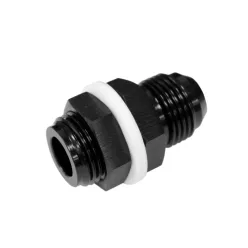
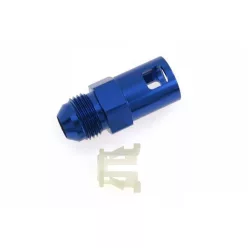
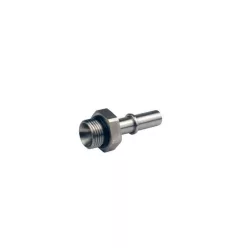
Net price: 65 €
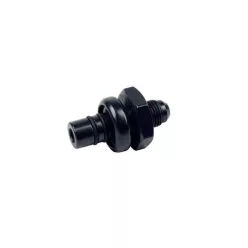
Net price: 31 €
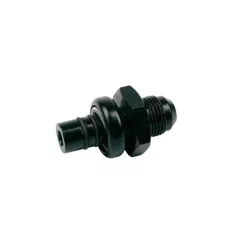
Net price: 32 €
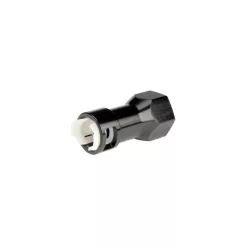
Net price: 61 €
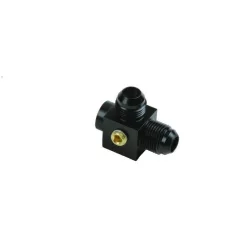
Net price: 87 €
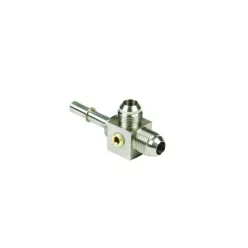
Net price: 179 €
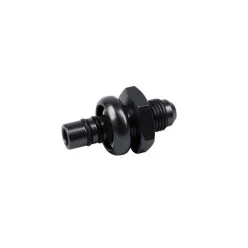
Net price: 31 €
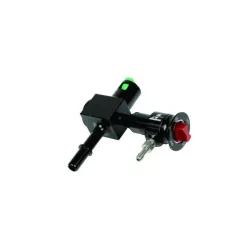
Net price: 223 €
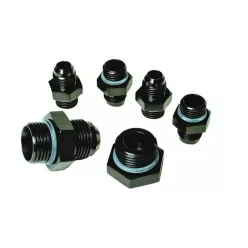
Net price: 112 €
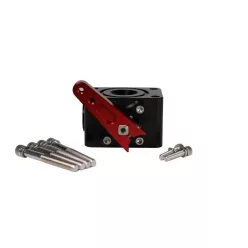
Net price: 304 €
Quick Connects and Special Fuel Adapters – fast service disconnects, tidy routing and reliable sealing for fuel plumbing
Quick Connects and Special Fuel Adapters is the right place when you want to retain an OE-style quick connect interface but standardise the rest of the system on AN fittings. The practical goal is simple: quicker disassembly, cleaner hose routing, and fewer improvised junctions when you add a service point, gauge take-off or shut-off function.
You will typically see parts such as quick connect to AN transitions, spring lock feed line adapters, and special fuel accessories like a shutoff valve or a sample valve kit. These solutions are especially useful when you need repeatable servicing during track use, or when you want a dedicated access port rather than stacking multiple tees.
Technical Basics
On the quick connect side, sealing is commonly O-ring based, and retention relies on the correct clip/locking geometry. Fitment is therefore more than “it clicks in”: connector standard plus tube size (for example 3/8" or 1/2") together determine whether it seals and stays locked under pressure.
On the AN side, sealing is usually made on a 37° flare seat, not on the thread. One short warning: if an AN joint weeps, the usual cause is a damaged/dirty seat or a mismatched size (for example AN6 vs AN8), not a lack of thread sealant.
Some “special” fuel adapters add extra functionality, such as an additional service port or an integrated valve. In those cases, confirm the sealing method at every interface (O-ring, washer, flare) and ensure the part orientation still allows spanner access and proper hose bend radius.
Selection Criteria
Start with the OE side: do you need 3/8", 1/2" or 5/16" quick connect, and which retention style is required (for example spring lock)? Next, select the AN side to match your existing hose ends and the role of the line, where AN6–AN10 sizes are common in fuel feed/return layouts.
If you only need a clean transition, prioritise exact standard match and sealing surfaces. If you want a service point (sampling, pressure checks, fast disconnects), consider a solution that consolidates ports in one component rather than adding multiple separate tees and joiners.
Where you want consistency across multiple connections, choosing parts within the same brand family can help with repeatable geometry. Still, the deciding factor should always be the product page interface description and size marking, not appearance alone.
Installation & Maintenance
Before installation, clean mating surfaces and inspect the O-ring: cuts, flattening or hardening are common causes of leaks on quick connects. Verify the retaining clip/lock is intact and that the connector is fully seated to its stop before you pressurise the system.
On the AN side, protect the 37° flare seats from nicks and start threads by hand to avoid cross-threading. If a joint seeps, avoid simply tightening harder; instead re-check seating, O-ring condition and whether the interfaces are truly compatible.
After assembly, leak-check under operating pressure and repeat after heat cycling. If you disconnect the system frequently (track days, regular servicing), treat O-rings and locking clips as wear items and inspect them proactively.
FAQ
What is a quick connect to AN adapter used for?
It lets you keep an OE-style quick connect on one side while using AN hose ends on the other. This can make servicing faster and routing cleaner. Always match tube size (e.g. 3/8") and the AN size (e.g. AN6).
What’s the difference between spring lock and standard quick connect?
Spring lock uses a different retention geometry, so it may not interchange with other quick connect styles. Sealing is often O-ring based, but the locking method dictates compatibility. Check the connector type on the product page before ordering.
My quick connect leaks—what should I check first?
Inspect the O-ring and confirm the connector is fully seated to the stop. Then check the locking clip/retainer is correct and undamaged. If those are fine, the most likely issue is a mismatch in connector standard or tube size.
Do I need thread sealant on the AN side?
Usually not, because AN seals on the 37° flare seat rather than on the thread. If it weeps, inspect the sealing seat and confirm size match (e.g. AN8 vs AN10). Thread sealant is typically relevant on tapered threads like NPT, not flare-seat AN joints.
How do I choose between AN6, AN8 and AN10?
Match the size to your existing hose ends and to the line’s role (main feed/return vs a smaller branch). The size must be consistent across the full joint (adapter, hose end, mating fitting). Also consider packaging: larger sizes need more spanner clearance and bend radius.
Filter by connector type and size, confirm the sealing method, and order the adapter that matches your fuel system interfaces.
